How to Catch Brown Trout in California
There’s nothing quite like the thrill of chasing after a brown trout in California’s incredible waters. Yet, if you’ve ever found yourself casting for hours with no luck, you know the frustration is real. These cunning fish are notoriously challenging, often ignoring what works for other trout species, leaving you wondering if you’re doing something wrong. This comprehensive guide is here to shed light on the elusive world of brown trout, equipping you with the knowledge and techniques to finally bring those hard-fighting beauties to your net.
Understanding California's Brown Trout
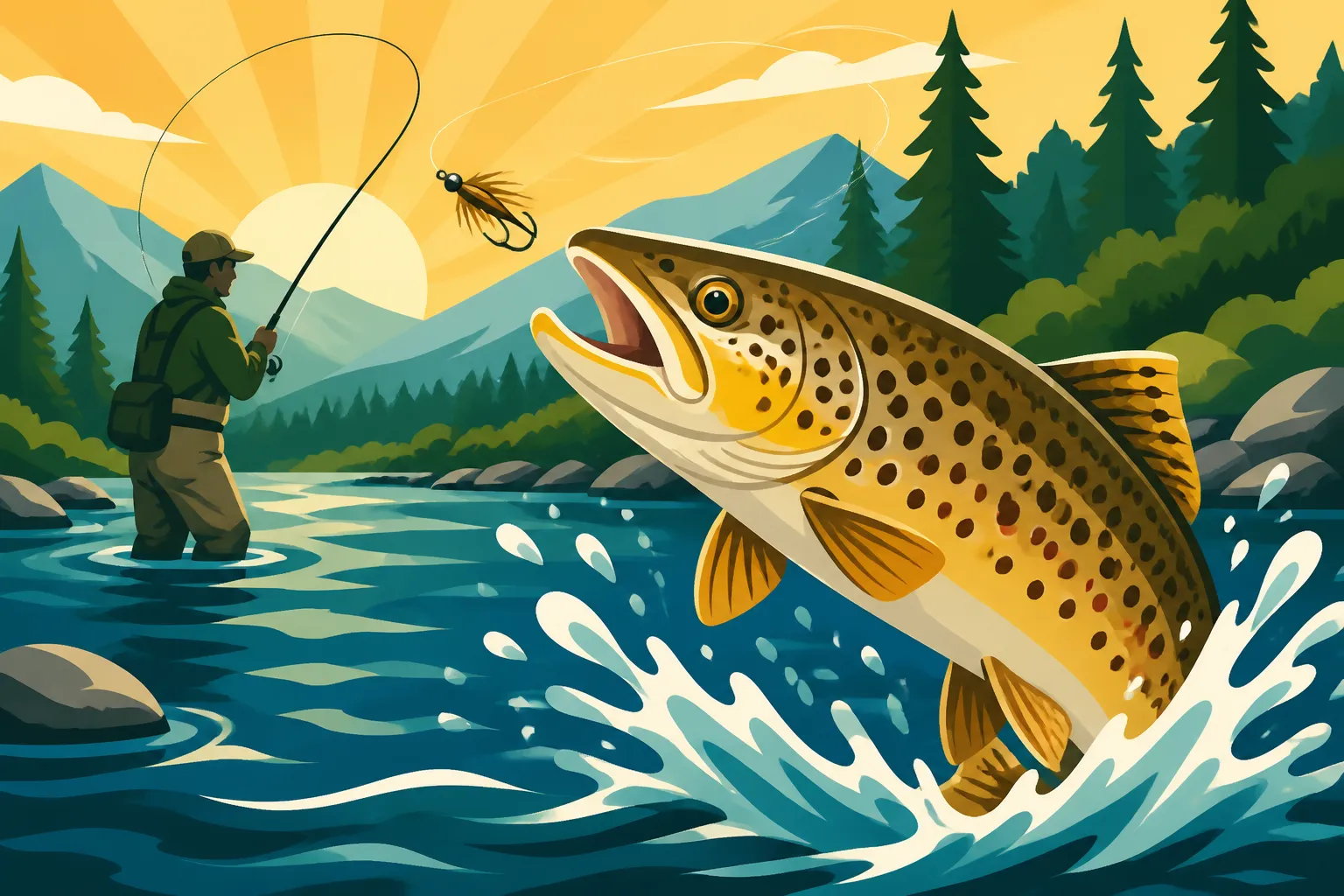
Brown trout, with their distinctive golden-brown bodies speckled with red and black spots, are a highly sought-after game fish in California. Originally introduced from Europe in the late 19th century, they've adapted incredibly well to many of our rivers, streams, and lakes. What makes them so special, and often so challenging, is their predatory nature and cautious behavior. They grow larger than many other trout species in California and are known for their fierce fights and impressive leaps.
Brown Trout Behavior and Habitat
Brown trout are ambush predators, often holding in structured areas where they can dart out to grab unsuspecting prey. Unlike rainbow trout, which might be more active cruisers in open water, browns tend to be more territorial and prefer cover. Think about deep pools with undercut banks, fallen trees, large boulders, or thick weed beds – these are classic brown trout hangouts. They're also more nocturnal, especially the larger specimens, often feeding aggressively during low light conditions at dawn, dusk, or even throughout the night, particularly in warmer months. This is a crucial detail many anglers miss!
Their diet is varied and changes as they grow. Younger brown trout will feast on aquatic insects like nymphs, emergers, and adult flies, as well as terrestrial insects that fall into the water. As they get larger, they become increasingly piscivorous, meaning they primarily eat other fish. This includes smaller trout, minnows, sculpins, and even crawfish. Understanding this shift in diet is key to selecting the right bait or lure. They are also known for being wary; sudden movements, loud noises, or bright clothing can easily spook them, sending them darting for cover. You really need to approach their preferred spots with stealth and patience.
Key California Waters for Brown Trout
California boasts an impressive array of brown trout fisheries, each with its own character and challenges. From the chilly, crystal-clear streams of the Eastern Sierra to the larger river systems and high mountain lakes, there's a brown trout experience for every angler. Knowing where to go is half the battle, and some spots consistently produce quality browns.
One of the most famous regions is the Eastern Sierra, encompassing areas like Mammoth Lakes and Bishop. Here, you'll find iconic waters such as the Owens River. The Upper Owens, in particular, is renowned for its large brown trout, especially during specific times of the year. Crowley Lake, a large reservoir, is another Eastern Sierra gem, holding robust populations of browns that can grow to impressive sizes, often caught by trolling or bait fishing. Further north, the Truckee River is an exceptional fishery for both rainbow and brown trout, demanding technical fly-fishing skills due to its clear water and often challenging conditions. If you're looking for more general information on spots, check out our guide on the Best Trout Lakes in California.
Other notable locations include sections of the Upper Sacramento River, which, despite being known for rainbows, holds healthy numbers of browns in its deeper, more secluded stretches. High-elevation alpine lakes throughout the Sierra Nevada also often harbor wild brown trout populations, though they might be smaller in size, they're incredibly feisty and beautiful. Even Lake Tahoe, with its vast expanse, has some areas where brown trout can be found, particularly near structure or cooler tributaries. Researching specific stretches or lake areas beforehand can significantly increase your chances.
Essential Gear for Brown Trout Fishing
Having the right equipment is paramount when targeting brown trout. They are strong, smart fighters, and undergunned tackle can lead to heartbreak. Your gear choices will depend largely on your preferred method – spin fishing, fly fishing, or bait fishing – but some fundamentals apply across the board. Quality gear, while an investment, truly makes a difference in terms of sensitivity, durability, and ultimately, your success on the water.
Rods, Reels, and Line Choices
For spin fishing, a lightweight to medium-light action rod, typically between 6'6" and 7'6" in length, is ideal. This length provides good casting distance while maintaining sensitivity for detecting subtle bites and enough backbone to handle a fighting fish. Pair this with a high-quality spinning reel in the 1000 to 2500 series, spooled with 4 to 8-pound test monofilament or fluorocarbon line. Monofilament offers a bit of stretch, which can be forgiving with aggressive head shakes, while fluorocarbon is virtually invisible underwater and has less stretch, providing more direct contact with your lure or bait. Consider a braided line with a fluorocarbon leader if you need maximum casting distance and sensitivity, especially when fishing larger bodies of water or in windy conditions. Brands like Shimano, Daiwa, and Penn offer excellent options across various price points, and you can find a solid selection on Amazon.
Fly fishing for brown trout often calls for a 4 to 6-weight fly rod, generally 8'6" to 9' in length. A 5-weight is a versatile choice for most brown trout scenarios, capable of handling a variety of fly sizes and casting conditions. The reel should balance the rod, and a reliable disc drag system is essential for controlling powerful runs. Weight-forward floating lines are standard for dry fly and nymph fishing, while sink-tip or full-sinking lines are crucial for streamer fishing in deeper or faster water. A fluorocarbon leader and tippet, ranging from 3x to 5x depending on water clarity and fly size, are critical for presentation and stealth. A good leader often dictates whether a wary brown will even look at your fly. You can learn more about this technique in our California Fly Fishing Guide.
Tackle Box Essentials: Baits, Lures, and Flies
Your tackle box or fly box should be well-stocked with a variety of options to match the diverse diet and often fickle nature of brown trout.
For spin fishing, a versatile selection of lures is key.
- Minnow Imitations: Small jerkbaits and crankbaits that mimic baitfish are deadly, especially for larger browns. Think Rapala X-Raps, Husky Jerks, or Lucky Craft Pointer series. Colors should range from natural browns and silvers to more aggressive firetiger patterns.
- Spoons: Casting spoons like the Kastmaster or Little Cleo, especially in gold, silver, or brass finishes, can imitate wounded baitfish and are effective in both still and moving water.
- Spinners: Classic inline spinners like Mepps Aglia or Panther Martin, in sizes #1 to #3, with a gold or silver blade and a dressed hook, are consistently productive. They create flash and vibration that browns can't resist.
- Soft Plastics: Small grubs, tube baits, or swimbait imitations rigged on a jig head can be very effective, especially when browns are keying in on sculpins or other bottom-dwelling prey.
- PowerBait/Salmon Eggs: While often associated with stocked rainbow trout, PowerBait or natural salmon eggs can tempt a brown, especially in slower-moving waters or early in the season. These are particularly useful when bait fishing from the bank.
For fly fishing, your arsenal needs to cover various insect stages and baitfish.
- Nymphs: Pat's Rubber Legs, Copper Johns, Pheasant Tails, Prince Nymphs, and Hare's Ears are staples for imitating aquatic insects. Have them in sizes #12 to #18.
- Dry Flies: Caddis patterns (Elk Hair Caddis), Mayfly patterns (Parachute Adams, Blue Winged Olives), and attractor patterns (Stimulator) are essential when fish are rising to insects on the surface.
- Streamers: This is where larger brown trout often get caught. Woolly Buggers (black, olive, brown), Clouser Minnows, and Sculpin patterns are excellent for imitating baitfish. Fish them in sizes #4 to #10.
- Terrestrials: Hoppers, ants, and beetle patterns can be incredibly effective during warmer months when these insects are active.
For bait fishing, focus on natural offerings.
- Live Minnows: If legal in your area (check local regulations!), live minnows can be irresistible to larger, predatory browns.
- Worms: Nightcrawlers or garden worms, fished on a small hook with minimal weight, are a universal trout bait.
- Salmon Eggs/PowerBait: As mentioned for spin fishing, these can be effective, especially for freshly stocked or less pressured browns.
- Crawfish: In waters where crawfish are present, a small, live crawfish or an imitation bait can be a brown trout magnet.
Remember, presentation is just as important as the bait itself. Many of these items are readily available on Amazon, making it easy to stock up before your next trip. To dive deeper into specific choices, our guide on Best Baits and Lures for Brown Trout in California offers more granular advice.
Proven Techniques for Catching Brown Trout
Successfully catching brown trout often comes down to adapting your technique to the specific water you're fishing and the mood of the fish. These aren't always easy fish, and being versatile in your approach can make all the difference. Sometimes, a subtle presentation is key; other times, an aggressive retrieve is what triggers a strike.
Spin Fishing Strategies
Spin fishing for brown trout relies on covering water and presenting your chosen lure or bait effectively. One of the most common and effective methods is casting and retrieving. With spinners or spoons, cast upstream or across the current and retrieve just fast enough to get the lure's action going. The idea is to mimic a wounded baitfish or an insect struggling in the current. Vary your retrieve speed and add pauses or twitches to make the lure more erratic and enticing. For minnow imitations, a "jerk, jerk, pause" retrieve can be incredibly effective, making the lure dart and then suspend, often triggering a strike on the pause.
When fishing larger lakes or reservoirs, trolling can be a highly productive method, particularly for bigger browns that often hold deeper. Use small spoons, jointed minnow plugs, or even an action-inducing bait rig (like an in-line dodger or flasher ahead of a bait). Vary your speed and depth until you find what's working. Downriggers or lead core line can help you get your presentation into the strike zone. If you're targeting specific structures like rocky points or submerged humps, remember to keep your boat positioned to sweep those areas.
Another crucial tactic for spin anglers is drift fishing with bait in rivers and streams. This involves using a minimal amount of weight (split shot or a small slinky weight) to allow your natural bait (worm, salmon egg, minnow) to drift naturally along the bottom, mimicking dislodged food. The key is to maintain a "dead drift" – the bait should move at the same speed as the current, without being dragged or pulled. This requires careful line management and reading the water to identify prime holding lies where browns might be waiting.
Fly Fishing Tactics
Fly fishing for brown trout is an art form, often requiring finesse and a deep understanding of entomology.
Nymphing is arguably the most consistent fly-fishing method for brown trout, as they spend the majority of their lives feeding subsurface. The "indicator nymphing" technique involves using a strike indicator to suspend your nymphs at a specific depth, allowing them to drift naturally. Adjust your indicator and weight to get the nymphs ticking along the bottom without constantly snagging. Another highly effective method, especially in clear, shallow water, is "euro nymphing" (or contact nymphing), which uses a specialized leader and no indicator, relying on direct line feel to detect subtle takes. This allows for incredibly precise and sensitive presentations.
When conditions are right and fish are actively feeding on the surface, dry fly fishing can be exhilarating. Look for rising fish and try to match the hatch – identify the size, shape, and color of the natural insects and present a similar artificial. Presentation is everything; a drag-free drift is crucial, meaning your fly must float downstream without any tension from your line, mimicking a natural insect. Casting accurately to the rising fish and minimizing false casts helps avoid spooking these sensitive feeders.
For aggressive brown trout, particularly larger ones, streamer fishing is often the ticket. Streamers imitate baitfish, crawfish, or leeches. Cast them across or downstream and retrieve with varied strips and pauses, making the streamer look like an injured or fleeing meal. This method often provokes a territorial or predatory strike rather than a delicate sip. Early morning, late evening, or overcast days are often prime times for streamer fishing, especially along undercut banks, deep pools, and current seams where big browns lie in wait. Consider fishing these deeper spots.
Bait Fishing Approaches
Bait fishing, while sometimes seen as less "sporting," is incredibly effective for brown trout, especially for those new to trout fishing or when conditions make artificial lures difficult.
Still Fishing is a straightforward approach. Whether you're fishing from the bank of a lake or a slower river section, simply cast your bait (PowerBait, salmon eggs, or worms) out and let it sit on the bottom or suspend it with a bobber. Using a sliding sinker rig with a small leader can prevent fish from feeling the weight, allowing them to take the bait more confidently. This method requires patience but can be incredibly rewarding, particularly in stocked lakes or areas where browns are less pressured.
Drift Fishing (as mentioned earlier for spin fishing) is also a classic bait fishing technique in moving water. Using natural baits like worms or sculpins, you allow the current to carry your bait downstream, presenting it naturally to fish holding in eddies, riffles, or deep pools. The key is to use just enough weight to keep your bait near the bottom without dragging excessively. This method covers a lot of water and allows you to present a natural offering in a realistic manner.
Finally, remember that live bait (where legal) can be exceptionally potent. Small minnows, ideally local species, suspended under a bobber or fished on a light bottom rig, are often irresistible to larger brown trout. Always check current California Freshwater Fishing Regulations for specific rules regarding live bait use, as some waters have restrictions.
| Fishing Technique | Primary Target | Best Conditions | Recommended Bait/Lure | Key Tip |
|---|---|---|---|---|
| Spin Casting | Active Browns | Clear water, varied cover | Spinners, Spoons, Jerkbaits | Vary retrieve speed and add twitches. |
| Trolling | Larger Browns | Deeper lakes/reservoirs, open water | Spoons, Minnow Plugs, Baits | Match speed and depth to fish location. |
| Nymphing | Feeding Browns | Anytime, especially subsurface | Pheasant Tail, Copper John, Hare's Ear | Get a natural, drag-free drift. |
| Dry Fly Fishing | Rising Browns | Active hatches, calm water | Parachute Adams, Caddis, Hopper | Match the hatch and ensure drag-free presentation. |
| Streamer Fishing | Aggressive Browns | Low light, stained water, larger fish | Woolly Bugger, Sculpin Imitations | Strip aggressively, target structure. |
| Still Fishing (Bait) | Less Active Browns | Slower water, calm lakes | PowerBait, Worms, Salmon Eggs | Be patient, use minimal weight. |
| Drift Fishing (Bait) | Holding Browns | Rivers/streams, current | Worms, Sculpins, Minnows | Maintain a natural, dead drift. |
Mastering Seasons, Times, and Conditions
Brown trout are creatures of habit, but their habits shift with the seasons, time of day, and prevailing weather conditions. Understanding these patterns is crucial for consistent success. What works in the spring might be a bust in the summer, and vice-versa. Being adaptable and knowing when to hit the water can make all the difference between a memorable day and a frustrating one.
Best Seasons for Brown Trout
Each season brings its own opportunities and challenges for brown trout anglers in California.
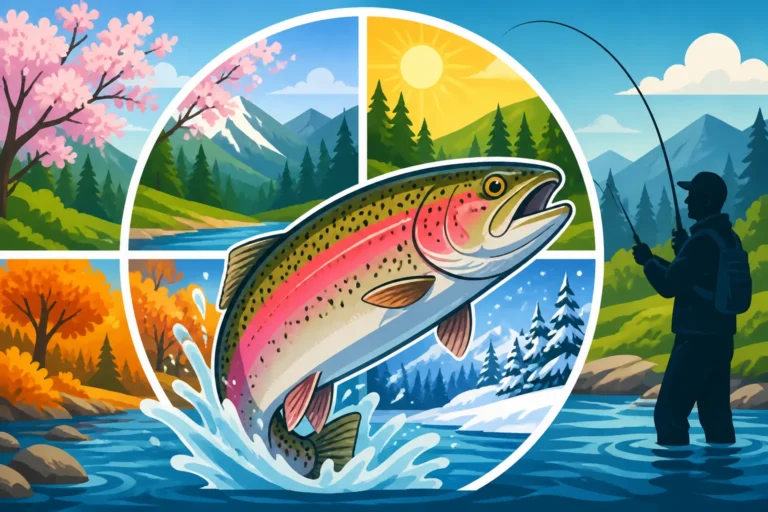
Spring (March – May) is often considered prime time. As water temperatures begin to warm slightly after winter, brown trout become more active and are often looking to feed heavily after a period of slower metabolism. Insect hatches, particularly caddis and mayflies, become more consistent, leading to increased surface activity. In rivers and streams, water levels might be higher due to snowmelt, which can spread fish out but also concentrate them in eddies and slower pockets. Lake browns will move closer to shore and into shallower areas as food sources become more abundant. This is also a great time for streamer fishing, as browns are keen to ambush baitfish. For a broader overview, check out our California Fishing Seasons: Month-by-Month Guide.
Summer (June – August) can be a mixed bag. In warmer, lower-elevation waters, browns will often become largely nocturnal or seek out cooler, deeper holding lies during the heat of the day. Early morning and late evening become critical fishing windows. High-elevation lakes and streams, however, can be fantastic in summer, as their water temperatures remain ideal, and terrestrial insects like hoppers and ants become a major food source. Look for shade, oxygenated water, and deeper pools where browns can escape the heat.
Fall (September – November) is another exceptional season, particularly for targeting trophy browns. As water temperatures drop, brown trout become highly aggressive in preparation for their spawning season (typically late fall/early winter). They feed voraciously on larger prey like baitfish and crawfish, making streamer and larger lure presentations incredibly effective. The vibrant fall colors add to the beauty of the experience. Many of the largest browns of the year are caught during this period as they become more active and visible.
Winter (December – February) fishing for brown trout can be challenging but rewarding. In many areas, fishing opportunities might be limited by snow and ice, especially in the high country. However, in lower-elevation rivers and lakes that remain ice-free, browns can still be caught. They tend to hold in deeper, slower pools and require a slower, more subtle presentation. Nymphing and small, slowly retrieved lures are often the most productive. Focus on sunny, calm days when water temperatures might see a slight bump.
Ideal Time of Day and Weather Considerations
Brown trout are notorious for their preference for low light. This means dawn and dusk are almost always prime fishing windows. The first few hours after sunrise and the last few hours before sunset often see increased activity as browns move out from their cover to feed. During these times, their camouflage works best, and they feel safer from predators. Larger browns, in particular, are known to feed heavily during these periods and often throughout the night, especially in warmer months. If you're really serious about a trophy, consider fishing after dark with large streamers or plugs.
Overcast days can also be fantastic for brown trout, as the diffused light encourages them to be more active throughout the day. A light drizzle can sometimes even trigger a feeding frenzy, as it knocks insects into the water and reduces light penetration, making fish feel more secure. Conversely, bright, sunny days, especially at midday, often push browns into deep cover or deep water. On such days, focus on shady banks, deep pools, or areas with heavy overhead cover.
Water conditions play a massive role. Clear, low water often demands stealthier approaches, lighter tippets, and smaller, more natural presentations. Stained or slightly off-color water (after a rain, for example) can actually be beneficial, as it provides more cover for the trout, making them less wary and more willing to chase. In these conditions, lures with more vibration and flash, or flies with a larger profile, can be effective. However, extremely muddy or high-flow water can shut down the bite entirely. Always check recent fishing reports and local conditions before heading out. Our various guides, like the one on Best Times to Fish in California, provide more seasonal insights.
Navigating Regulations and Conservation
Fishing for brown trout in California, like any other species, requires adherence to specific regulations. These rules are put in place not to make your life difficult, but to ensure the sustainability of our precious fisheries for generations to come. Ignoring them can lead to hefty fines and a loss of fishing privileges, which nobody wants. Beyond just following the rules, embracing responsible angling practices, especially catch-and-release, is vital for the health of wild brown trout populations.
California Brown Trout Regulations
California's fishing regulations can feel like a labyrinth sometimes, but taking the time to understand them is absolutely essential. The California Department of Fish and Wildlife (CDFW) publishes a comprehensive "California Freshwater Sport Fishing Regulations" booklet annually, which is your go-to resource. You can often pick these up at bait and tackle shops or view them online. This booklet details everything from season dates to bag and size limits for various trout species, including brown trout, across different regions and even specific waters. It's not a suggestion; it's the law.
Key things to look out for when targeting brown trout include:
- Bag and Possession Limits: These specify how many brown trout you can keep per day and how many you can have in your possession. Limits can vary widely from general statewide regulations to specific local rules for a particular river or lake. For instance, some waters might have a 5-trout limit with no size restriction, while others might impose a "two-fish, 18-inch minimum" rule for brown trout, or even "zero limit" (catch-and-release only). You can find more detail in our article on California Trout Limits and Regulations.
- Size Limits: Often, there are minimum or maximum size limits designed to protect larger, spawning fish or allow smaller fish to grow. Always measure your fish carefully.
- Gear Restrictions: Certain waters may have restrictions on the type of gear allowed. This could include "artificial lures with barbless hooks only," "fly-fishing only," or even restrictions on bait use. These are particularly common in wild trout or trophy brown trout waters. If you’re fishing with bait, remember to check for any bait bans.
- Season Dates: While many trout waters are open year-round, some rivers and streams have specific opening and closing dates, often to protect spawning fish or sensitive populations. Don't assume year-round access for all waters.
Always carry a current California Fishing License. This is non-negotiable for most fishing activities in the state. Even if you're only targeting brown trout for a day, you'll need one. You can typically purchase these online through the CDFW website, or from licensed agents like sporting goods stores such as Big 5 Sporting Goods or at local tackle shops. Understanding the regulations is part of the sport, ensuring we can all continue to enjoy these incredible resources.
Practicing Catch-and-Release
For many anglers targeting brown trout, especially the larger, wild specimens, catch-and-release is not just a practice but a deeply held ethic. Brown trout grow slowly, and large, healthy fish are crucial for maintaining strong, self-sustaining populations. Releasing these fish ensures they can continue to spawn and contribute to the fishery, allowing others to experience the thrill of catching them.
If you intend to release brown trout, it's vital to follow proper catch-and-release guidelines to maximize the fish's survival rate.
- Minimize Fight Time: While it's fun to fight a fish, prolonging the battle can exhaust it, making it harder for it to recover. Use appropriate tackle to bring the fish in efficiently.
- Handle with Care: Wet your hands before touching the fish. Dry hands can remove the fish's protective slime coat, leaving it vulnerable to disease. Avoid squeezing the fish, especially around its internal organs.
- Keep the Fish in Water: The less time a fish spends out of water, the better its chances of survival. Try to unhook the fish while it's still submerged. If you need a photo, be quick, keep the fish low to the water, and support its body properly.
- Barbless Hooks: Using barbless hooks makes removal much easier and quicker, causing less damage to the fish's mouth. You can easily pinch down the barb on most hooks with a pair of pliers. Many designated catch-and-release areas actually require barbless hooks, as detailed in our California Catch-and-Release Rules guide.
- Proper De-hooking Tools: Carry needle-nose pliers or a hemostat to quickly remove hooks. If a fish is deeply hooked, especially in the gills, it's often better to cut the line as close to the hook as possible rather than tearing at its internal organs.
- Revive the Fish: Hold the fish gently in the water, facing upstream, allowing water to flow over its gills. Support it until it regains strength and can swim away on its own. Don't just toss it back; make sure it's ready.
By consciously practicing these techniques, you contribute directly to the health and abundance of California's brown trout populations, ensuring that these magnificent fish remain a challenging and rewarding pursuit for all of us.
Disclaimer
The information provided in this guide is for general informational purposes only and is subject to change. Fishing regulations, seasons, and limits are determined by the California Department of Fish and Wildlife (CDFW) and can be updated at any time. It is always the angler's responsibility to consult the most current official CDFW regulations booklet or website before engaging in any fishing activity. Adherence to all local, state, and federal laws is mandatory.