Corbina in California: Where and How to Catch
There’s a unique kind of challenge, and let's be honest, a good dose of frustration, that comes with targeting California Corbina. These elusive, ghost-like fish prowling the shallow surf zone are a true test of an angler's skill and patience. If you’ve ever found yourself staring at miles of beautiful coastline, wondering how to even begin to spot, let alone catch, one of these magnificent fish, you're in the right place. This guide is dedicated to demystifying the art of Corbina fishing, offering you all the insights you need to turn those frustrating outings into successful, memorable ones.
Understanding the Elusive California Corbina
Corbina are arguably one of the most sought-after surf species in California, known for their powerful fights and delicious, flaky white meat. But they're not just any fish you can easily pluck from the waves; they demand respect and a deep understanding of their habits.
What Makes Corbina So Special and Elusive?
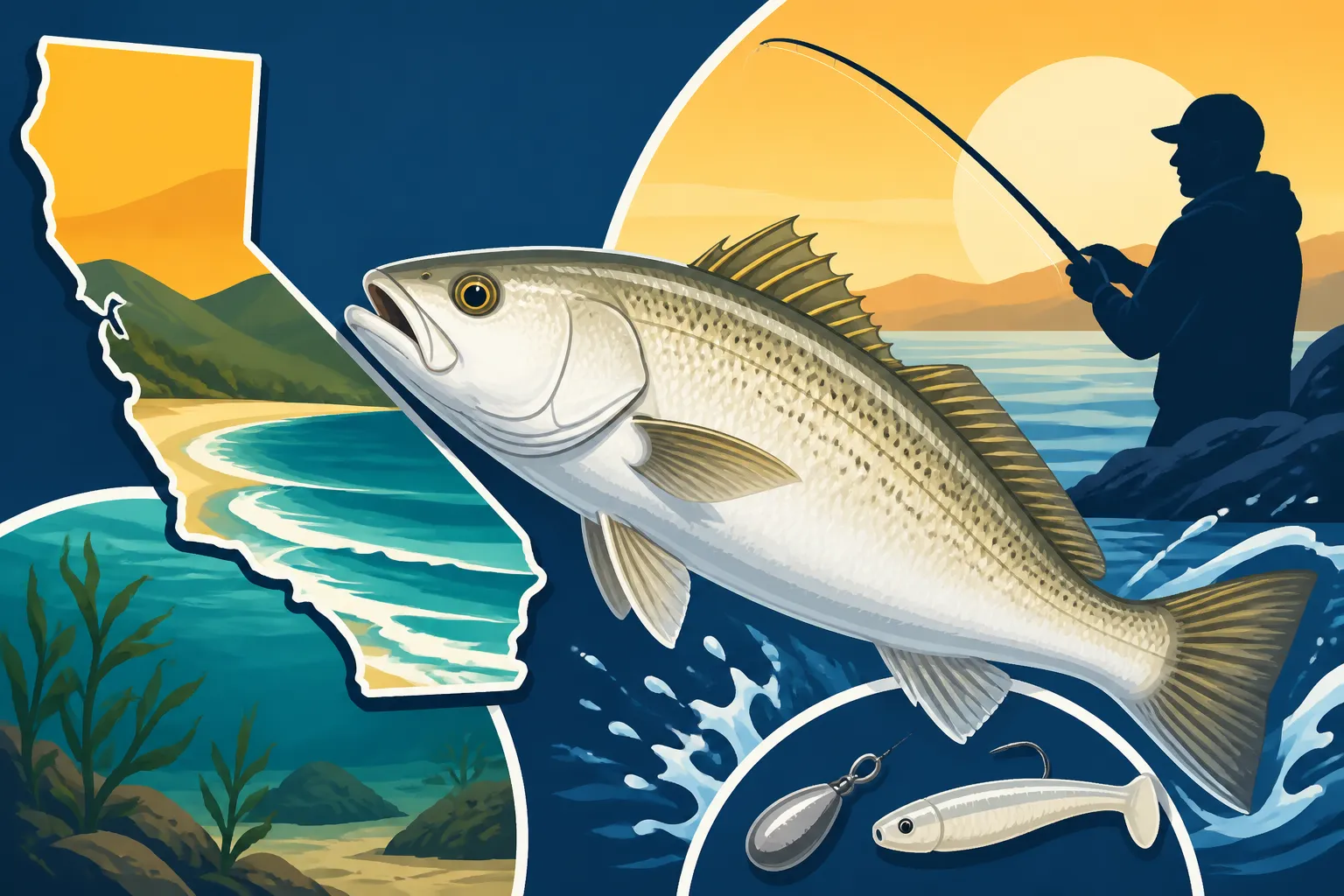
California Corbina (Menticirrhus undulatus) are members of the drum family, easily recognized by their elongated bodies, silvery-bronze coloring, and a single, distinctive barbel under their chin. This barbel is their primary tool for sensing food, allowing them to detect sand crabs, worms, and other invertebrates buried just beneath the sand. It’s this unique feeding habit, combined with their preference for ultra-shallow water, that makes them such a challenge. They're constantly on the move, following the waves, and incredibly sensitive to vibrations and shadows, meaning a heavy step on the sand or a poorly timed cast can send them scattering.
Their elusiveness also stems from their keen eyesight and wariness. Unlike some other surf species that might aggressively strike a variety of baits, corbina are finicky eaters. They often "mouth" or "test" the bait before committing, requiring a light touch and a keen sense of feel from the angler. You'll often hear stories of anglers watching corbina swim right past their perfectly presented bait, adding to the mystique and the addiction of pursuing them.
Where to Find Corbina on California Beaches
Corbina are true creatures of the sandy surf, preferring wide, open beaches with consistent wave action. They are rarely found around rocky structures or kelp beds, opting instead for the dynamic environment where waves constantly churn up sand and expose their favorite foods. Look for beaches with a gradual slope, allowing for a good "cut" or "trough" where waves deposit food.
Identifying these key features, often called "structure" in surf fishing, is crucial. Gutters and troughs are deeper depressions that run parallel to the shore, where water collects and bait is concentrated. Rip currents, which are narrow channels of strong current flowing out to sea, can also be productive as they create feeding lanes. A gentle, incoming wave pushing sand crabs into these depressions is prime corbina territory. Learning to identify these spots by reading the beach conditions is a foundational skill for targeting these fish, a topic we cover in more detail in our guide to Best Surf Fishing Beaches in California.
Prime Times for Corbina Fishing
Timing is everything when it comes to corbina. These fish are highly influenced by tides, light conditions, and water temperature. Generally, the best time to target corbina is during an incoming tide, particularly the last hour or two before high tide and the first hour or two after it turns. This is when the waves push sand crabs and other critters closest to shore, making them accessible to the corbina.
Low light conditions, such as early mornings (dawn patrol!) or late evenings (dusk), are often the most productive. The reduced visibility makes corbina feel safer moving into shallower water, and also makes it harder for them to spot you. While they can be caught in the middle of a sunny day, success rates tend to be higher when the sun isn't directly overhead. Water temperature also plays a role; corbina prefer warmer waters, typically above 60°F (15°C), making late spring through early fall the peak seasons for targeting them along the California coast. You can find more detail on seasonal patterns in our California Fishing Seasons: Month-by-Month Guide.
Essential Gear for Successful Corbina Fishing
Equipping yourself correctly is paramount when chasing corbina. This isn't a power game; it's a finesse game that requires sensitive gear and the right terminal tackle.
Rods, Reels, and Line: Balancing Sensitivity and Casting Distance
For corbina, you need a rod that offers both sensitivity to detect their incredibly subtle bites and enough backbone to cast light baits a reasonable distance. A medium-light to medium action surf rod, typically 8 to 10 feet long, is ideal. Brands like Lamiglas, St. Croix, or even some of the more affordable options available on Amazon like the Ugly Stik GX2 series, offer good sensitivity without breaking the bank. The extra length helps with casting over waves and keeping your line out of the surf.
Pair this with a lightweight spinning reel in the 2500-4000 series. The Shimano Stradic or Daiwa BG are popular choices, but many reliable reels can be found on Amazon that will perform admirably. Spool your reel with 10-15 lb braided line for its sensitivity and casting distance. The zero-stretch quality of braid transmits even the slightest "tick" from a corbina mouth-testing your bait directly to your fingertips. A fluorocarbon leader of 4-8 lb test, 3-5 feet long, is crucial for its invisibility and abrasion resistance. This lighter leader helps trick wary corbina into taking your bait.
Terminal Tackle: Hooks, Weights, and Leaders
This is where the finesse truly comes into play. Corbina have relatively small, delicate mouths, so tiny, sharp hooks are a must. Size 4 or 6, light-wire bait holder hooks are generally preferred. Some anglers even go down to a size 8. The goal is to present the bait as naturally as possible, and a large, heavy hook will quickly spook a corbina. Barbless hooks are also often recommended, both for ease of release and because some regulations, particularly in certain freshwater areas but generally good practice for sensitive species, lean towards them. Check out California Barbless Hook Requirements for specific rules.
When it comes to weights, you want just enough to hold your bait in place without hindering its natural presentation or preventing you from feeling the bite. A ¼ to ¾ ounce pyramid or torpedo sinker is usually sufficient. The exact weight will depend on the current and wave action. A Carolina rig is the most popular setup for corbina: thread your main line through a small sliding sinker, then tie on a small bead (to protect your knot), followed by a barrel swivel. To the other end of the swivel, tie your fluorocarbon leader, and then your hook. This rig allows the corbina to pick up the bait without feeling the weight of the sinker, a critical detail for these cautious feeders.
The Best Baits for Corbina
Without a doubt, the king of corbina baits is the sand crab (also known as mole crabs). These little crustaceans are the natural diet of corbina, and few things entice them more. You can easily catch your own sand crabs by sifting through the wet sand at the water's edge with a bait pump or even just your hands. Look for the "V" patterns they make in the receding waves.
When choosing sand crabs, go for the smaller, softer-shelled ones, especially the females carrying orange roe (eggs) on their underside – these are irresistible to corbina. Hook them through the back, ensuring the hook point is exposed. If sand crabs are scarce, bloodworms, lugworms, or even ghost shrimp can work as alternatives. Remember, presentation is key; you want the bait to drift and tumble naturally with the current, mimicking a free-floating meal. While you won't typically find live sand crabs on Amazon, you can find bait pumps and other tools to gather your own. For general bait insights, our Best Bait for California Halibut article might also offer useful context as some baits overlap.
Mastering Corbina Fishing Techniques
Catching corbina isn't just about having the right gear; it's about understanding their environment and how to interact with it.
Reading the Beach: Identifying Prime Corbina Zones
This is arguably the most crucial skill for any surf angler, especially when targeting corbina. You need to become an expert at identifying subtle changes in the ocean floor from shore. As mentioned earlier, look for gutters and troughs – these are often visible as darker strips of water parallel to the beach where waves don't break as hard. Pay attention to where waves are consistently breaking, receding, and where foam lines form. Corbina will often patrol the edges of these gutters, waiting for sand crabs to be dislodged.
Look for areas where the water is slightly deeper or where there's a gentle slope leading into a deeper pocket. Also, keep an eye out for "holes" – sudden depressions in the sand created by wave action. A consistent pattern of waves means a consistent food source, and corbina will be there. Sometimes, you can even spot a corbina tailing in the shallows as it roots for food, its tail flicking out of the water – a truly exciting sight and a surefire sign you're in a productive area.
The Art of Presenting Bait
With corbina, a natural and subtle presentation is paramount. Cast your Carolina rig beyond where you suspect the corbina are feeding, then allow the sinker to settle. Once settled, slowly reel in just enough slack to maintain tension on your line. The idea is to let the waves and current naturally tumble your bait along the bottom. You want your bait to move as if it's a sand crab or worm that has been dislodged by the surf.
Avoid aggressive retrieves or twitching your rod too much. The most effective technique is often to let the rig sit for a few moments, then very slowly reel in a foot or two, letting the waves do the work. Pay excruciatingly close attention to your line, as corbina bites are incredibly subtle. It might just feel like a slight "tap" or a sudden slackening of the line. Don't set the hook on every little bump; wait for a more definitive pull or sustained pressure. It takes practice, but once you learn to distinguish a bite from wave action, your success rate will soar.
Hooking and Fighting Corbina
Once you feel that unmistakable pull, don't yank the rod like you would for a bass. Instead, take up the slack smoothly and then lift the rod tip firmly to set the hook. Remember, these are delicate hooks in delicate mouths. A hard, jerking motion can easily pull the hook or tear the fish's mouth.
Corbina are surprisingly strong fighters, especially for their size. They'll often make powerful runs parallel to the beach or even directly into the surf, using the wave action to their advantage. Keep a steady bend in your rod and let the drag do its job. Don't try to horse them in; let them tire out. As you bring them closer to shore, be prepared for their last-ditch efforts, often involving them trying to dig into the sand or use a breaking wave to escape. Wait for a receding wave to gently pull them onto the wet sand, then quickly unhook and release them if you're not planning to keep them. Many anglers practice catch-and-release with corbina to help preserve their populations, something we encourage for sustainable fishing practices. For more advanced techniques, our California Surf Fishing Tips and Techniques article is a great next step.
Top California Spots for Corbina
California's coastline offers numerous opportunities for corbina, with some areas being particularly renowned.
Southern California Hotspots
Southern California is widely considered the mecca for corbina fishing, boasting expansive sandy beaches and often ideal water temperatures.
- San Clemente State Beach: This iconic Orange County spot is a prime example of a productive corbina beach. Its long stretch of sand and consistent surf create excellent feeding grounds. Anglers here often find success in the gutters that form closer to shore. Parking can be a challenge, especially on weekends, but the fishing can be worth the effort.
- Bolsa Chica State Beach: Located in Huntington Beach, Bolsa Chica is another fantastic spot known for its corbina population. The beach layout, with its gradual slope, allows for clear visibility of wave action and trough formation. It’s also easily accessible, making it a popular choice for both new and experienced surf anglers.
- Zuma Beach (Malibu): Further north in Los Angeles County, Zuma offers miles of open beach, perfect for stalking corbina. The key here, as with other beaches, is patience and moving to find the fish. Look for areas with less human activity for potentially less pressured fish.
- Del Mar City Beach (San Diego County): This spot is a local favorite, especially around the outflows and areas where the beach slope creates distinct feeding zones. Early mornings here, particularly during an incoming tide, can yield excellent results.
Central Coast Opportunities
While Southern California gets a lot of attention, the Central Coast also has some fantastic corbina fishing, especially during the warmer months.
- Pismo Beach: This famous Central Coast location is not just for clamming; it also offers great corbina fishing. The expansive sandy flats and consistent wave action are ideal. Anglers often find success targeting the deeper troughs and near the pier pilings (though fishing near piers has specific rules and may not be prime corbina territory).
- Morro Bay Area (various beaches): The beaches surrounding Morro Bay, while sometimes steeper, can also hold corbina. Exploring different stretches of beach, particularly those exposed to direct surf, can reveal productive spots. These areas might require a bit more legwork but can reward the persistent angler with less crowded fishing.
Before heading out to any of these locations, always consult the latest California Fishing Regulations Explained for species-specific limits and open seasons.
Maximizing Your Corbina Catch: Tips and Tricks
Beyond the basics, there are several subtle tips and tricks that seasoned corbina anglers swear by.
Stealth and Observation are Your Allies
Corbina are incredibly spooky. Any sudden movement, loud noise, or even your shadow cast over the water can send them fleeing. Approach the water slowly and quietly. Wear muted clothing that blends with the surroundings. Instead of casting immediately, spend 10-15 minutes just observing the water. Look for signs of baitfish, diving birds, and especially for the telltale "tailing" of corbina in the shallows or the subtle flick of a pectoral fin in a clear wave.
Often, the biggest mistake new anglers make is rushing to cast. Take your time. Walk the beach, identify promising gutters or depressions, and then plan your approach. A great tactic is to walk a good stretch of beach, making a few casts in each promising spot, rather than staying put in one place. Remember, these fish are constantly moving with the waves and tides, so you need to move with them.
Adjusting to Conditions: Wind, Waves, and Water Clarity
The surf is a dynamic environment, and conditions can change rapidly. Wind can make casting difficult and create too much slack in your line, hindering bite detection. Strong waves can make it hard to keep your bait in the strike zone and also create too much disturbance for corbina to feed comfortably. Ideal conditions are usually light winds and a gentle, consistent wave pattern.
Water clarity is another huge factor. Corbina hunt by sight and scent, but clear water makes them much more cautious. While they prefer clean water, a little bit of churn (not too much, though!) can sometimes be good, as it dislodges sand crabs. If the water is extremely clear and flat, you might need to use even lighter leaders and smaller hooks. If it's too murky from heavy surf or recent rain, the fishing will likely be slow. Always check the local fishing reports before you go, and consider other options like our California Halibut Regulations and Limits if corbina aren't biting.
Practice Makes Perfect: Refining Your Feel for the Bite
There's no substitute for time on the water when it comes to developing the subtle feel needed to consistently catch corbina. Their bite is often described as a slight increase in pressure, a gentle tap, or sometimes just a momentary slowing of your line's drift. It's rarely a dramatic "thump."
Start by focusing intently on your line and rod tip. With practice, you'll begin to differentiate between the natural movement of the waves on your line and the distinct, subtle inquiries of a corbina. If you feel anything unusual, slowly tighten your line and gently lift your rod tip. If you feel resistance, set the hook! Don't get discouraged by missed bites; it's part of the learning curve. Each missed fish teaches you something about the nuance of the corbina bite. Consider taking a friend and comparing notes on what you feel. The more you fish for them, the more intuitive it becomes.
Conclusion
Targeting corbina in California is a quintessential surf fishing experience that demands a blend of patience, observation, and finesse. While they can be incredibly frustrating to catch, the reward of landing one of these beautiful, hard-fighting fish is truly exhilarating. By understanding their habits, using the right gear, mastering subtle techniques, and putting in the time on the water, you'll be well on your way to becoming a successful corbina angler. So grab your sensitive rod, a handful of sand crabs, and head to your favorite California beach. The next "ghost of the surf" might just be waiting for you.
| Aspect | Ideal Conditions for California Corbina Fishing |
|---|---|
| Tide | Incoming tide, especially 2 hours before and 2 hours after high tide |
| Time of Day | Dawn, Dusk; early mornings generally outperform mid-day |
| Water Temperature | Warmer waters, typically 60°F (15°C) and above |
| Water Clarity | Clear to slightly churned; avoid very murky or excessively flat water |
| Wave Action | Moderate, consistent wave action that dislodges sand crabs |
| Wind | Light winds (under 10-15 mph) for better casting and bite detection |
| Bait | Live sand crabs (especially soft-shell with roe) |
| Hook Size | Small, light-wire bait holder hooks (size 4, 6, or 8) |
Disclaimer
Fishing regulations, seasons, and limits can change frequently. Always consult the latest California Department of Fish and Wildlife (CDFW) regulations before any fishing trip. This guide is for informational purposes only and does not constitute legal advice.