Best Baits and Lures for Striped Bass in California
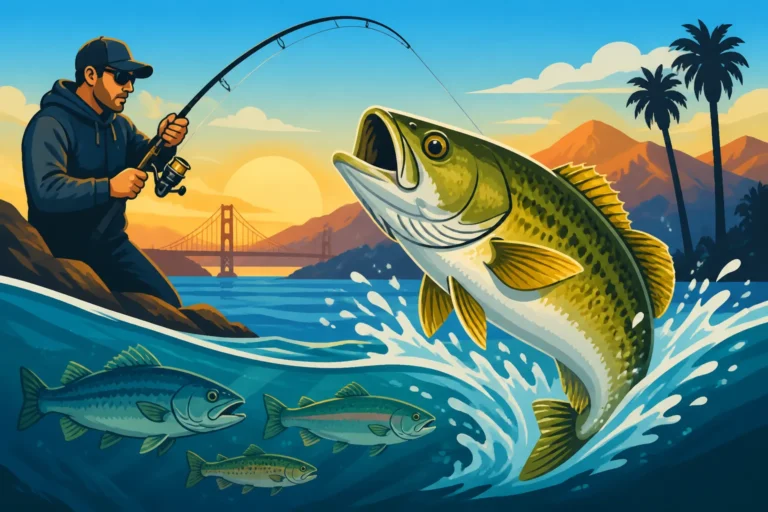
Few things are more frustrating than heading out to your favorite California striper spot, casting for hours, and coming up empty-handed while someone just down the bank is pulling in fish after fish. You start to second-guess everything: your spot, your retrieve, and especially your bait or lure choice. The truth is, striped bass can be incredibly picky, and knowing exactly what to throw at them, and when, can make all the difference between a skunk and a banner day. This guide is dedicated to breaking down the absolute best baits and lures for striped bass in California, so you can confidently tackle these challenging, yet incredibly rewarding, fish.
Understanding Striped Bass Behavior in California
Before we even talk about hooks and plastics, let's get into the mind of a California striped bass. These aren't just any fish; they're opportunistic predators that can be found in a vast array of environments, from the turbulent ocean surf to the sprawling freshwater of the Sacramento-San Joaquin River Delta. Their feeding habits and where they choose to hang out are deeply tied to the season, water conditions, and the availability of their favorite snacks.
Habitat Preferences and Feeding Habits
California striped bass are incredibly adaptable, thriving in both fresh and saltwater, as long as there's plenty of forage and suitable structure. In the freshwater realm, especially within the vast network of the Sacramento-San Joaquin River Delta, you'll find them cruising channels, hiding near submerged vegetation, around old pilings, or along current breaks. They're often ambush predators here, waiting for an unsuspecting baitfish or crawfish to swim by. They'll also actively hunt in open water, particularly when schooling up on shad or other small baitfish.
When these fish move into the saltwater environment, whether it's the San Francisco Bay, San Pablo Bay, or out into the coastal surf, their behavior shifts slightly. In the bays, they'll target schools of anchovies and sardines, often busting on the surface in spectacular displays. They also patrol rocky points, jetties, and mussel beds, looking for crabs, shrimp, or other crustaceans. Along the open coast, especially during the spring and fall, stripers will often be found just beyond the breaking waves, where they hunt for sand crabs, small baitfish like anchovies, or even squid, using the turbulence to their advantage to disorient their prey. Knowing what they're likely eating in a particular area is half the battle; the other half is presenting something that mimics it perfectly.
Seasonal Movements and Water Conditions
The migratory patterns of California striped bass are heavily influenced by the seasons, dictating where you should focus your efforts and, consequently, what baits and lures will be most effective. Understanding these movements is key to successful fishing throughout the year. For an in-depth look at when to target different species, check out our guide on the California Fishing Seasons: Month-by-Month Guide.
In the spring, as water temperatures rise, many striped bass begin their annual migration from the bays and ocean into the freshwater rivers of the Delta system to spawn. This is a prime time for anglers to intercept them in the river channels and sloughs of the California Delta Fishing Guide. During this period, they are often aggressive, feeding heavily before and after spawning. Post-spawn, they might be a bit more lethargic, but they'll quickly resume feeding to regain energy.
Summer sees many stripers dispersing. Some remain in the Delta, especially larger resident fish, while others move out into the bays and along the coast. Ocean stripers will patrol beaches and rocky shores, often feeding in the early mornings and evenings. Bay stripers will be found schooling up on baitfish, frequently creating those exciting topwater boils. The warmer water generally means more active fish, but also more competition for food.
By fall, things really heat up. As temperatures begin to drop, stripers in both fresh and saltwater start to feed aggressively in preparation for winter. This is often considered one of the best times to fish, especially during the annual salmon run in rivers like the Sacramento. Striped bass will opportunistically feed on salmon smolt and even adult salmon carcasses. Offshore, the bite can be fantastic along the coast as baitfish schools are abundant. You can learn more about this exciting period in our piece on the California Striped Bass Run Explained.
Winter can be challenging, but it's not impossible. Many stripers move to deeper, more stable water in the Delta's larger channels or within the bays. Their metabolism slows, so they might not chase fast-moving lures as readily. Slower presentations and natural baits often shine during the colder months. Factors like strong tides, water clarity (especially after rain), and barometric pressure can also dramatically affect their willingness to bite. When planning your trip, consider checking out the Best Times to Fish in California for more strategic timing advice.
Top Natural Baits for California Stripers
When it comes to tempting a wary striped bass, sometimes nothing beats the real thing. Natural baits, whether live or cut, often have an irresistible scent and action that artificial lures simply can't perfectly replicate. Knowing which natural baits work best and how to present them effectively is a cornerstone of successful striper fishing in California.
Live Bait Supremacy
Live bait is, hands down, one of the most effective ways to catch striped bass, especially the larger, more cautious specimens. The natural movement and distress signals of a live baitfish are often too much for a striper to resist.
-
Anchovies/Sardines: These oily, silver-sided baitfish are a staple in the diet of coastal and bay stripers. They're readily available at most tackle shops along the coast, especially around areas like San Diego, Long Beach, and the San Francisco Bay. When using live anchovies or sardines, a simple nose hook or an internal hook rig can work wonders. For nose hooking, use a small, sharp hook (size 1 to 2/0) through the top lip or nostrils, allowing the bait to swim freely. If you're fishing in a heavy current or want to prevent the bait from swimming into structure, a small sliding sinker above a swivel can keep it in the strike zone. You can find excellent live bait tanks and aerators on platforms like Amazon to keep your bait lively throughout your trip. These are also fantastic for How to Fish for Striped Bass in California in general.
-
Shad/Threadfin: In the freshwater Delta system, threadfin shad are a primary forage fish for striped bass. Catching your own can be an art form, often requiring a cast net. Once caught, keep them alive in a bait tank. Rigging live shad is similar to anchovies, often with a nose hook for natural presentation. Trolling live shad slowly through deep channels or current seams in the Delta can be incredibly effective for targeting large, aggressive fish. Pay close attention to your depth finder to locate schools of baitfish, as stripers are rarely far behind.
-
Eels: While not always the easiest to come by, live eels are a legendary bait for trophy striped bass, particularly at night or in moving water. Their snake-like action is unique and drives big stripers wild. Eels are notoriously tough and can withstand multiple casts. Rig them by passing a large, strong hook (like a 7/0 or 8/0 circle hook) through the bottom jaw and out the top, or by using a dedicated eel rig with multiple hooks. Cast them out and let them swim naturally, or slowly retrieve them. This method might take patience, but the reward of a giant striper is well worth it.
Cut Bait and Scented Options
Sometimes, the stripers aren't interested in chasing a lively meal, or the conditions (like strong currents) make keeping live bait effective challenging. That's when cut bait and other scented options shine. The strong scent trail these baits emit can draw in stripers from a distance, making them perfect for soaking baits.
-
Cut Sardine/Anchovy: If you can't get live bait, or if the stripers are keying in on scent, cut bait is your next best bet. Simply cut fresh sardines or anchovies into chunks. The head and tail sections, especially the heads, are often excellent due to their strong scent and blood content. Rig these pieces on a single hook, typically a 3/0 to 6/0 circle or J-hook, depending on the size of the bait and the fish you're targeting. Use a sliding sinker rig to allow the bait to drift naturally with the current, distributing its scent. This is a common and highly effective method for both surf and bay fishing, particularly around structures or channel edges where stripers might be lurking.
-
Clams/Worms: For surf fishing, especially when targeting stripers feeding on the bottom, baits like clams, mussels, and various marine worms can be extremely effective. Sand crabs are a natural food source for surf stripers, and rigging a few on a specialized sand crab rig can be deadly. Bloodworms and lugworms, though often imported, also have an intense scent that stripers find irresistible. These baits are typically fished on a surf fishing rig with a pyramid sinker to hold bottom in the waves. They are fantastic for enticing stripers when they are less aggressive and more interested in a slow-moving, scent-heavy meal.
-
Ghost Shrimp/Bloodworms: Within the estuaries and the calmer sections of the Delta, ghost shrimp are a fantastic natural bait. They can be pumped out of muddy flats at low tide or purchased. Rig a whole ghost shrimp on a light wire hook (size 2 to 1/0) and fish it on a Carolina rig or under a bobber. Their natural movement and strong scent are very appealing to stripers. Similarly, bloodworms, though less common in California than on the East Coast, are a top-tier bait for their powerful scent trail. If you can find them, they are worth their weight in gold for enticing a bite in tough conditions.
Essential Lures for California Striped Bass
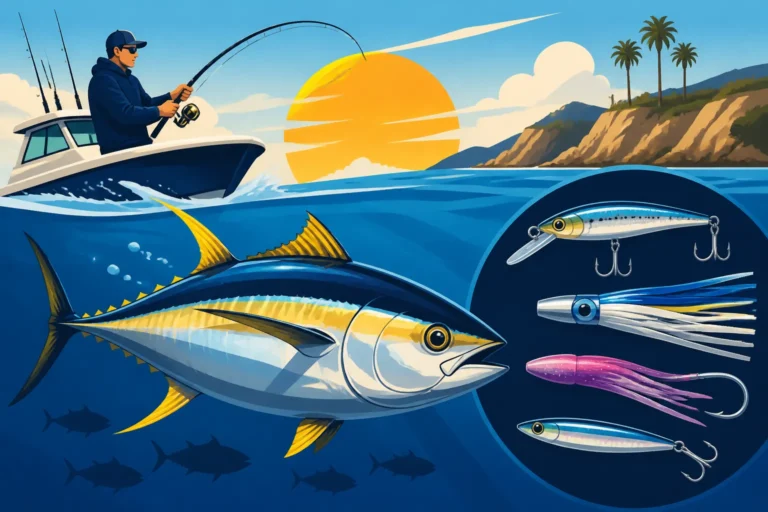
While natural baits have their undeniable charm, lures offer unparalleled versatility, allowing anglers to cover water quickly, mimic various forage, and adapt to changing conditions. For many, the thrill of getting a striper to smash an artificial lure is what sportfishing is all about.
Hard Baits for Aggressive Strikes
Hard baits are designed to mimic baitfish with their realistic profiles, vibrant colors, and dynamic actions, making them irresistible to actively feeding stripers.
-
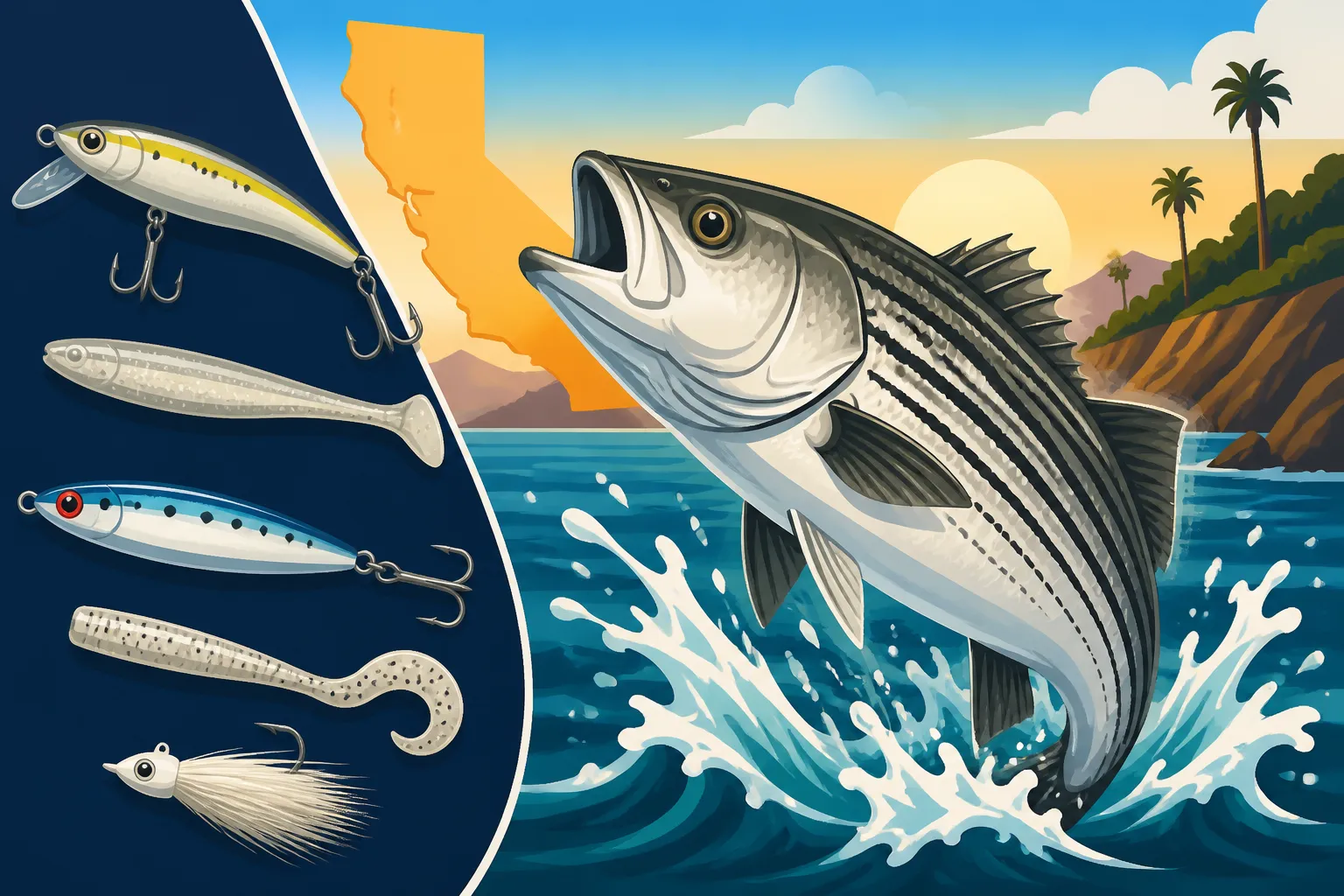
Swimbaits: These are arguably some of the most popular and effective lures for California striped bass. They come in both soft plastic variations (which we'll cover next) and hard-bodied versions. Hard-bodied swimbaits, often jointed, create a very realistic swimming motion. Brands like Deps and Megabass make high-end options, but there are also many excellent and more affordable choices. They're perfect for casting and retrieving over submerged structure, along weed lines, or through open water where stripers are hunting schools of baitfish. A slow, steady retrieve often works best, allowing the lure's natural action to entice a strike. You can find a vast array of swimbaits, from small four-inch models to large eight-inch trophy hunters, readily available on Amazon.
-
Plugs/Minnows: These classic lures have been catching stripers for decades, and for good reason. They mimic small baitfish like anchovies, sardines, or even juvenile trout with incredible accuracy.
- Topwater Poppers and Walk-the-Dog Lures: When stripers are actively busting on the surface, there's nothing more exciting than a topwater strike. Poppers create a splash and gurgle, while "walk-the-dog" lures like a Heddon Super Spook glide side-to-side, mimicking a wounded baitfish. Early mornings, late evenings, or overcast days are prime times for topwater action.
- Lipped Divers (Minnow Plugs): These lures, like the ever-reliable Rapala X-Rap or Yo-Zuri Crystal Minnow, dive to various depths depending on the size of their lip. They are excellent for casting or trolling in bays and estuaries. Vary your retrieve, incorporating pauses and twitches, to trigger strikes from cruising stripers. Their erratic action and flash are often irresistible.
-
Jerkbaits: Jerkbaits are designed to be retrieved with a "twitch, twitch, pause" action, mimicking a struggling baitfish. They typically suspend in the water column during the pause, giving stripers a chance to strike. Brands like Lucky Craft and Duo Realis offer exceptional jerkbaits that perform beautifully in California waters. They are particularly effective in clearer water conditions or when stripers are a bit lethargic and need more convincing. The key is to experiment with the length and frequency of your pauses to see what the fish prefer on any given day.
Soft Plastics and Jigs for Versatility
Soft plastics and jigs are incredibly versatile, allowing anglers to fish various depths and presentations, from bouncing the bottom to swimming through the middle of the water column.
-
Soft Plastic Swimbaits: These are a must-have for any California striper angler. Brands like Keitech, Berkley Gulp! Saltwater, and Big Hammer offer fantastic options that perfectly imitate baitfish. They come in paddle tail, boot tail, and even fluted tail designs, each offering a slightly different action. Rig them on a leadhead jig ranging from 1/4 oz to 2 oz or more, depending on the current and depth. Common retrieves include a steady retrieve, a "swim and pause," or even jigging them off the bottom. The Berkley Gulp! line, in particular, offers a strong scent that can be a game-changer when fishing in murky water or when stripers are less aggressive. They’re great for targeting stripers in a variety of locales, from the surf to the bays, and of course, the California Delta Fishing Guide.
-
Flukes/Grubs: These slender, typically unweighted or lightly weighted soft plastics are fantastic for mimicking darting baitfish. Flukes, like the Zoom Super Fluke, are often rigged weightless or with a small belly weight on a wide gap hook, creating an erratic, dying baitfish action with twitches of the rod. Grubs, with their curly tails, provide constant action even on a slow retrieve. Both can be fished on a Texas rig around submerged structure or weed beds to prevent snagging. They are excellent when stripers are targeting smaller bait or when you need a subtle presentation.
-
Bucktail Jigs: A true classic, the bucktail jig is one of the most versatile and effective lures ever invented for striped bass. From the surf to deep channels, a bucktail can catch fish. They can be fished plain or tipped with a piece of cut bait, a soft plastic grub, or a Berkley Gulp! trailer for added scent and bulk. The key is to vary your jigging retrieve: bouncing it off the bottom, swimming it mid-water, or even ripping it quickly. Colors like white, chartreuse, and olive green are perennial favorites. Brands like SPRO Bucktail Jigs are highly regarded for their quality and effectiveness. For targeting big fish on the bottom, often a slower, more deliberate retrieve with pauses can be effective, especially when exploring deeper areas in the Best Fishing Spots in California.
Spoons and Surface Lures for Explosive Action
Sometimes you need to grab attention with flash, vibration, or an exciting surface commotion. Spoons and specialized surface lures fit the bill perfectly.
-
Casting Spoons: Metal casting spoons, like the iconic Kastmaster or Krocodile, are incredibly effective for mimicking injured or fleeing baitfish. Their erratic wobble and flash can be seen from a distance and trigger aggressive reaction strikes. They come in various weights, allowing you to cast them a country mile in the surf or quickly get them down to depth in deeper water. A simple cast and retrieve, with occasional pauses or jerks, is usually all it takes. These are excellent when stripers are feeding on schooled baitfish or when you need to cover a lot of water quickly. They can also be fantastic for other species like yellowtail, but for stripers, they are a tried-and-true option.
-
Topwater Poppers/Walkers: While we touched on them under hard baits, it's worth reiterating the sheer excitement of topwater fishing. When stripers are hitting bait on the surface, a well-placed popper or walking bait can draw an explosive strike that you won't soon forget. Poppers, like those from Rebel or Cotton Cordell, make a "chug" sound and splash, mimicking a struggling baitfish. Walk-the-dog lures, like the Zara Spook or even the larger versions from companies like Nomad Design, create a mesmerizing side-to-side glide. The key is to work these lures with a consistent rhythm, keeping your rod tip down, and allowing the lure to do the work. This method is particularly effective during low-light conditions or when stripers are actively "breaking" on the surface.
Matching Baits and Lures to Fishing Conditions
Now that you've got a tackle box full of options, the real trick is knowing what to use when and where. California's diverse waters present a variety of challenges and opportunities for striped bass anglers.
Delta and Estuary Strategies
The Sacramento-San Joaquin River Delta is a striped bass paradise, but its complex network of sloughs, channels, and varying currents demands specific approaches.
- Current and Structure: Stripers in the Delta often position themselves in ambush points where current brings food to them, or near submerged structure like old dock pilings, rock piles, or sunken trees. For these areas, live bait like shad or minnows fished on a Carolina rig or under a slip bobber can be deadly. Cut bait, particularly fresh shad or sardine chunks, also works well when fished on the bottom with a sliding sinker, allowing the scent to drift with the current.
- Trolling: Trolling deep-diving crankbaits or large swimbaits, especially those with rattles or strong vibration, is a highly effective way to cover large stretches of the Delta's deeper channels. Brands like Bomber and Yo-Zuri make excellent trolling plugs that mimic the Delta's abundant baitfish. Vary your speed and depth until you find what the fish are reacting to. This is especially useful during the California Fishing in Spring when stripers are moving through the system.
- Casting and Retrieving: For casting, soft plastic swimbaits rigged on jig heads are incredibly versatile. You can fish them through current seams, along riprap, or over submerged weed beds. Jerkbaits are also effective when stripers are holding in clearer water or near structure, allowing for precise presentations. Don't forget to check the California Freshwater Fishing Regulations before you head out.
Coastal and Surf Fishing Approaches
Fishing for striped bass in the California surf is a unique and often exhilarating experience. The constant movement of waves, shifting sand, and varying depths require specific tactics.
- Reading the Water: The first step to successful surf fishing is understanding how to "read" the waves. Look for troughs (deeper areas behind breaking waves), rips (areas where water flows back out to sea, carrying food), and structure like jetties or rock outcroppings. These are prime striper feeding grounds.
- Baits for the Beach: Natural baits like sand crabs are king for surf stripers. Rig a few live sand crabs on a specialized surf rig with a pyramid sinker to hold bottom. When sand crabs aren't available, cut anchovies or sardines work well, creating a scent trail in the wash. For artificials, soft plastic swimbaits like the Lunkerhunt Swim Bait or Berkley Gulp! sandworms or grub tails on a jig head are excellent. Long-casting metal spoons, like the Kastmaster, are also fantastic for reaching deeper troughs beyond the breakers, especially during the California Fishing in Summer.
- Tide Considerations: An incoming tide, especially during the last few hours of the flood, is often the most productive time for surf fishing as it brings baitfish closer to shore. The first few hours of the outgoing tide can also be productive as bait is swept back out.
Bay and Harbor Tactics
California's bays and harbors, from San Francisco Bay down to San Diego Bay, offer diverse environments for striped bass, from vast open waters to intricate structures.
- Targeting Schools: In open bay waters, stripers often school up on anchovies or sardines. When you see birds diving or fish busting on the surface, it's time to cast live bait (anchovies/sardines) or fast-moving artificials like metal casting spoons or topwater poppers directly into the frenzy. Trolling deep-diving plugs can also be effective for locating schools when they aren't actively showing on the surface.
- Fishing Structure: Docks, jetties, rock walls, and bridge pilings are classic striper hangouts in bays and harbors. These areas provide ambush points and cover. For these spots, jigging soft plastics or bucktail jigs vertically or casting them close to the structure is highly effective. Live bait, free-lined or lightly weighted, allowed to drift naturally alongside structure, is also a prime tactic.
- Night Fishing: Bays and harbors can be fantastic for night fishing. The lights from docks and bridges attract baitfish, which in turn attract stripers. Slow-moving lures like dark-colored swimbaits or even live bait under a glow stick can be incredibly productive during the dark hours. Don't forget your California Saltwater Fishing Regulations for specific bag and size limits.
Here's a quick reference table for matching baits and lures to common California striper fishing scenarios:
| Fishing Location/Condition | Recommended Baits | Recommended Lures | Key Considerations |
|---|---|---|---|
| Sacramento-San Joaquin Delta (Current/Structure) | Live Shad, Cut Shad/Sardine, Ghost Shrimp | Soft Plastic Swimbaits (Jigged), Deep-Diving Crankbaits (Trolled), Jerkbaits | Strong current, submerged structure, deeper channels. |
| Coastal Surf (Sandy Beaches) | Live Sand Crabs, Cut Anchovy/Sardine, Bloodworms | Metal Casting Spoons, Soft Plastic Grub Tails (Jig Heads), Surf Plugs | Wave action, troughs, rips, incoming tide. |
| Bays & Estuaries (Open Water, Schooling Fish) | Live Anchovy/Sardine | Topwater Poppers, Metal Casting Spoons, Soft Plastic Swimbaits, Trolling Plugs | Bird activity, surface boils, wide areas. |
| Bays & Estuaries (Docks/Jetties/Pilings) | Live Anchovy/Sardine, Cut Bait | Soft Plastic Swimbaits (Jigged), Bucktail Jigs, Jerkbaits | Ambush points, vertical presentation, night fishing. |
| General Tough Bite / Lethargic Fish | Live Eels (Large Fish), Scented Cut Bait, Berkley Gulp! Baits | Slow-rolling Swimbaits, Suspending Jerkbaits (Long Pauses), Lightly Weighted Flukes | Slow presentation, strong scent, subtle action. |
No matter where you choose to chase these incredible fish, having a diverse selection of the best baits and lures for striped bass in California, and knowing when to use them, will significantly increase your chances of success. Experiment, observe, and most importantly, enjoy the thrill of the chase!
Disclaimer
Fishing regulations, seasons, and limits can change frequently. Always consult the latest California Department of Fish and Wildlife (CDFW) regulations before heading out on any fishing trip. This guide is for informational purposes only and does not supersede official regulations.