Best Fly Fishing Guides on the Trinity River
Trying to navigate the incredible, but sometimes intimidating, waters of the Trinity River for fly fishing can feel like trying to solve a complex puzzle with half the pieces missing. From shifting salmon and steelhead runs to intricate local regulations and knowing exactly where to cast, it’s a lot to wrap your head around, especially if you’re not a local. This comprehensive guide will help you understand why a professional fly fishing guide is invaluable on the Trinity and how to find the perfect one for your next unforgettable adventure.
Why a Trinity River Fly Fishing Guide Makes All the Difference
Let's be real, the Trinity River is an absolute gem for fly fishing, especially for those coveted steelhead and Chinook salmon. But it's not a "show up and magically catch fish" kind of place. There are so many variables at play – water levels, weather, migration patterns, and the ever-present challenge of finding fish that are willing to bite. That's where a seasoned guide becomes not just helpful, but truly transformative for your fishing experience. They don't just put you on fish; they teach you, guide you, and ensure your time on the water is both productive and safe.
Navigating Complex Regulations and Access Points
California's fishing regulations can be notoriously intricate, and the Trinity River is no exception. It often has special rules that differ from other waterways, dealing with specific bait restrictions, catch-and-release zones, and even designated fly-fishing-only stretches. Imagine spending your precious fishing day worrying if your setup is legal or if you're even allowed to be in a certain area. A good guide lives and breathes these rules. They'll ensure you're always compliant, letting you focus solely on the fishing. They know the current mandates, the specific closures, and any special report card requirements, like the California Steelhead Report Card or the California Salmon Report Card, ensuring your trip is entirely above board.
Moreover, accessing the prime fishing spots on the Trinity can be tricky. Public access points exist, but the best spots often require local knowledge of private property boundaries, subtle river bends, or secret launch points that aren't obvious on a map. A guide, usually in a drift boat, can navigate these stretches with ease, taking you to spots you'd never find on your own. They understand the nuances of the river's currents and depths, safely maneuvering through challenging areas to put you exactly where the fish are holding, whether it's a deep run or a subtle eddy.
Unlocking Local Hotspots and Specific Techniques
The Trinity River is dynamic, constantly changing with the seasons and water flows. What was a hot spot last week might be barren today. A top-tier guide spends countless hours on the water, tracking fish movements, understanding feeding patterns, and adapting their strategies daily. They know the subtle seams, the hidden gravel bars, and the specific riffles where steelhead and salmon like to hold. This isn't knowledge you can get from a quick online search; it's earned through years of experience.
Beyond just location, they also have a deep understanding of the most effective techniques for the Trinity's unique conditions. Whether it's nymphing under an indicator, swinging flies for aggressive steelhead, or stripping streamers for opportunistic trout, they've mastered it all. They'll know which flies are "on" for that particular day – the right color, size, and pattern – saving you endless frustration and wasted casts. For instance, sometimes a small stonefly nymph is the ticket, while other times a flashy intruder pattern swung through a run is what triggers a bite. They'll also provide high-quality gear perfectly suited for the river, from rods and reels to a vast selection of flies, so you don't have to worry about bringing your own or having the wrong setup.
Maximizing Your Chances for Steelhead and Salmon
Let's face it, the ultimate draw for many fly anglers to the Trinity is the chance to hook into a chrome bright steelhead or a powerful Chinook salmon. These aren't easy fish to catch, and they demand specific approaches. A guide specializing in these species will greatly increase your odds of success. They understand the anadromous life cycle, the timing of the runs, and how these fish behave in different river conditions.
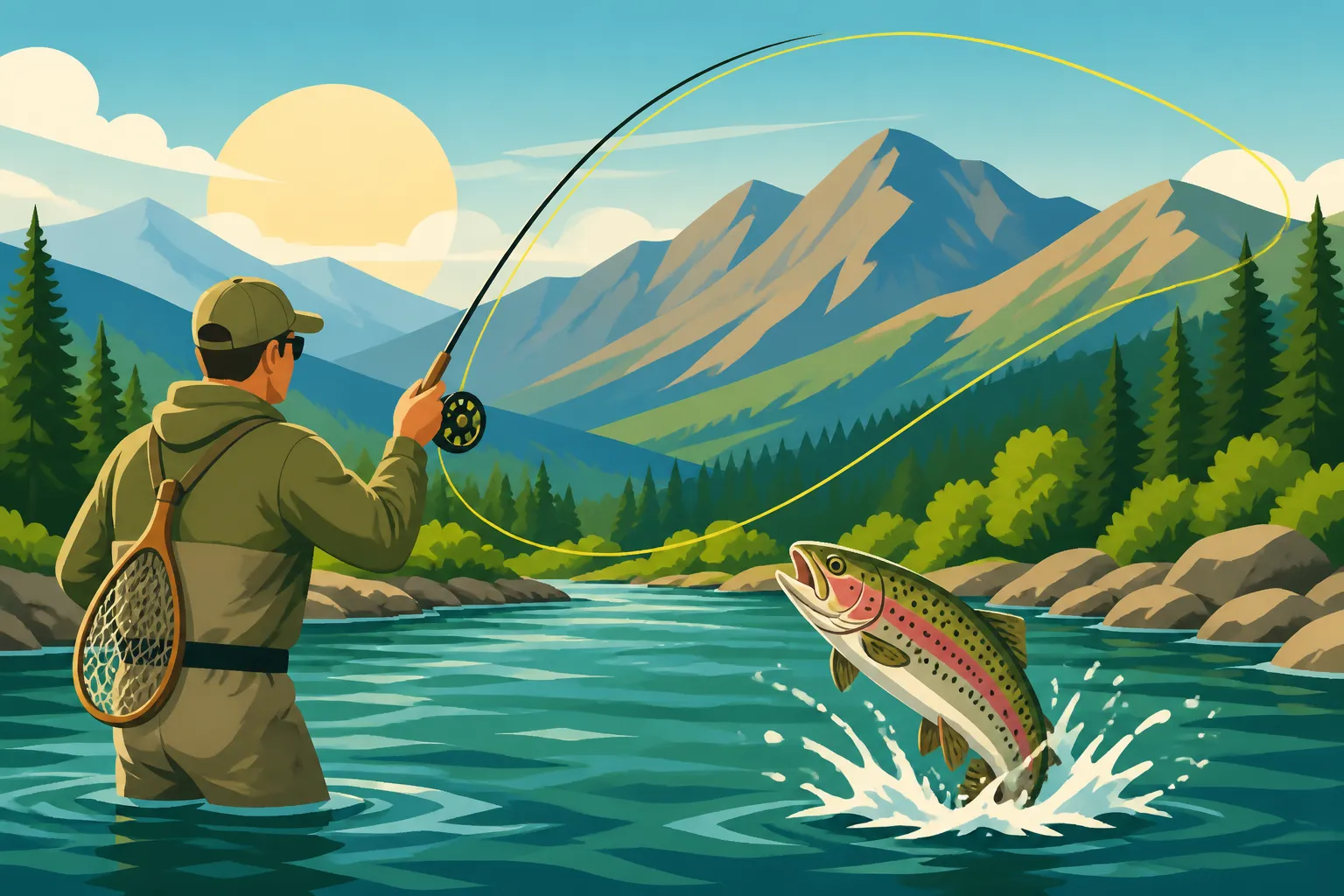
For steelhead, a guide will teach you the subtle art of reading water, identifying holding lies, and presenting your fly with precision. They'll show you how to mend your line effectively to achieve a natural drift, crucial for enticing these wary fish. When it comes to salmon, they know the migratory routes and spawning grounds, and how to target them effectively, whether you're sight-fishing for kings or drifting eggs for coho. Their expertise goes beyond just fishing; it extends to understanding the whole ecosystem of the river and how it influences these prized catches, providing you with insights you'll carry into future fishing endeavors. If you're looking for more general information on how to target these species, check out our guides on How to Fish for Steelhead in California and How to Fish for Salmon in California.
What to Look for in a Top Trinity River Fly Fishing Guide
Choosing a fly fishing guide isn't like picking up a gallon of milk. It's a personal experience, and the right guide can make or break your trip. It's not just about their ability to find fish; it's about their personality, their teaching style, and how they manage the day to ensure you have an exceptional time on the water.
Experience, Specialization, and Local Knowledge
First and foremost, you want a guide with extensive experience specifically on the Trinity River. There's a big difference between a general fly fishing guide and someone who has dedicated years, if not decades, to understanding every riffle, run, and hole on the Trinity. Look for guides who explicitly state their focus on Trinity River steelhead and salmon. This specialization means they've invested their time and energy into mastering the unique challenges and opportunities this particular river offers.
Ask about their guiding history – how many years have they been guiding on the Trinity? Do they guide year-round or seasonally? What are their primary target species? Some guides are true steelhead gurus, while others might excel at putting clients on salmon. Many excellent guides are proficient in both. A guide who is also an outfitter, meaning they run their own business or work for a well-established local shop, often has a deeper commitment to their reputation and client satisfaction. You'll find many reputable guides who have made the Trinity River their home, establishing businesses like Trinity River Guide Service or Nor Cal Fly Guides. When researching, platforms like FishingBooker can be incredibly helpful to compare guides, read past client reviews, and verify their experience and specialization. This helps you get a real feel for their expertise before you even make contact.
Personality and Teaching Style
This is often overlooked but is incredibly important. A fishing trip is a shared experience, sometimes spending 8-10 hours in a drift boat with someone. Do you want a stoic silent type, or someone who's engaging, patient, and fun to be around? If you're a beginner, a patient and encouraging teacher is paramount. They should be able to break down complex casting techniques, line management, and fish fighting strategies into digestible steps. Conversely, if you're an experienced angler, you might prefer a guide who challenges you, helps refine your skills, and is equally passionate about the nuances of the sport.
Don't hesitate to have a quick phone conversation with a prospective guide before booking. It's a great way to gauge their personality and see if your communication styles align. Ask them how they approach guiding different skill levels. A good guide will prioritize your enjoyment and learning, tailoring the day to your abilities and expectations. They should be enthusiastic about the river and its fish, and genuinely want you to have a memorable experience, regardless of how many fish end up in the net.
Gear, Boats, and Logistics Provided
A professional guide typically provides all the necessary fishing gear, including high-quality fly rods, reels, lines, and a vast array of flies. This is a huge advantage, as you don't need to worry about packing your own or having the "wrong" setup. Confirm what's included in the price. Do they provide waders and boots? What about lunch and drinks? Most Trinity River fly fishing guides operate out of comfortable drift boats, ideal for quietly maneuvering through the river's runs and providing a stable platform for casting. Ensure their boats are well-maintained, safe, and equipped with essentials like a first-aid kit.
Here's a quick checklist of things to clarify:
| Feature | What to Ask Your Guide | Why it Matters |
|---|---|---|
| Fishing Gear | Are rods, reels, lines, and flies provided? | Avoids lugging your own; ensures you have the right tackle for Trinity conditions. |
| Waders & Boots | Are waders/boots available if needed? If so, what sizes? | Necessary for wading in the river; keeps you dry and warm. |
| Boat Type & Safety | What type of boat (usually drift boat)? Is safety gear onboard? | Drift boats are ideal for the Trinity; safety is paramount. |
| Meals & Beverages | Is lunch, snacks, and drinks included? | A long day on the water requires fuel! |
| Transportation | Do they pick up from a local meeting spot? | Convenience, especially if you're unfamiliar with the area. |
| License Requirements | What specific licenses or report cards do I need to purchase? | Guides will confirm you have your California Fishing License Guide and any necessary California Report Cards Explained. |
| Fishing Style Preference | Can they accommodate specific styles (e.g., nymphing, swinging)? | Ensures the trip aligns with your preferred method of fishing. |
Beyond fishing equipment, consider what else they offer. Do they take photos? Are they knowledgeable about local wildlife and the surrounding environment? The best guides enhance the entire outdoor experience, sharing insights not just about fish, but about the whole natural world around you.
Top Trinity River Fly Fishing Guides and Services
The Trinity River boasts a dedicated community of experienced fly fishing guides, many of whom have built strong reputations over years of consistent success and positive client experiences. While I can't endorse a single "best" guide (it's often subjective and depends on your specific needs!), I can highlight what you'll generally find and how to approach booking.
Renowned Outfitters and Independent Guides
You'll find a mix of larger outfitters and independent guides working the Trinity. Outfitters, often associated with fly shops, might have a team of guides, allowing for more flexibility in booking dates or accommodating larger groups. They sometimes have established relationships with local accommodations and can help coordinate your entire trip. A prominent example in the region is The Fly Shop, based in Redding, which often has guides specifically dedicated to the Trinity. They're a long-standing name in California fly fishing and a great resource for information, gear, and guide services.
Independent guides, on the other hand, are often owner-operators who pride themselves on a personalized, hands-on approach. They might have a more intimate knowledge of specific sections of the river or a particular species they target. Services like those offered by Trinity River Guide Service or local independent operators found through sites like FishingBooker typically fall into this category. When browsing FishingBooker, you can filter by location, species, and even read detailed bios and reviews for individual guides, which is incredibly helpful for finding someone whose style and expertise align with what you're looking for. Make sure to look for guides who are fully licensed and insured, which is a standard requirement for reputable operations in California.
Customizing Your Trip for the Ideal Experience
One of the great benefits of booking a guide is the ability to tailor your trip. Most guides offer full-day trips, which typically run 8-10 hours, providing ample time to cover different stretches of the river and experiment with various techniques. Some might offer half-day options, which can be perfect for beginners, those with limited time, or if you simply want a taste of guided fishing without the full commitment.
If you're truly dedicated to chasing steelhead or salmon, consider a multi-day trip. This allows you to really dial in on the fish, adjust to changing conditions, and gain a deeper understanding of the river with your guide. Many guides also offer instruction-focused trips for those looking to hone their casting or nymphing skills, regardless of how many fish are caught. Don't be shy about communicating your expectations and goals when you book. Are you hoping for numbers of fish, or are you specifically targeting a trophy steelhead? Are you a seasoned angler, or do you need a lot of instruction? The more information you provide, the better your guide can craft the perfect day for you.
Planning Your Trinity River Fly Fishing Adventure
A successful fishing trip involves more than just showing up. A little preparation goes a long way, especially when you're heading to a river as unique and productive as the Trinity.
Best Seasons for Target Species on the Trinity
The Trinity River is a year-round fishery, but the prime targets change with the seasons. Understanding the California Fishing Seasons: Month-by-Month Guide is key to planning your trip.
- Fall (September – November): This is prime time for fall-run Chinook salmon and the early waves of half-pounder and adult steelhead. The weather is generally pleasant, and the river is bustling with activity. This is arguably the most popular time to be on the Trinity.
- Winter (December – February): Winter steelhead fishing can be phenomenal, though conditions can be colder and wetter. This is often when the biggest, chromiest fish are present. It requires dedication and proper cold-weather gear, but the rewards can be immense.
- Spring (March – May): The tail end of the winter steelhead run, resident rainbow trout fishing heats up, and you might encounter some early summer-run steelhead. Spring offers beautiful scenery and often less crowded waters.
- Summer (June – August): While the anadromous fish runs are lighter, summer offers excellent opportunities for resident rainbow trout and smallmouth bass in certain sections. It's a great time for dry fly fishing and enjoying warmer weather, especially in the upper river sections.
Consult our detailed guides like California Steelhead Season Dates Explained and California Salmon Season Dates Explained for the most up-to-date information on species availability and regulatory changes, which can sometimes impact specific seasons.
Booking Your Guide and Essential Questions
Once you've identified a few potential guides, reach out well in advance, especially if you're targeting peak seasons like fall steelhead. Popular guides often book up months ahead.
Here are some critical questions to ask:
- Availability: "What dates do you have open around [your preferred dates]?"
- Pricing: "What is your daily rate, and what exactly does it include (gear, lunch, etc.)?"
- License: "What specific California fishing license and report cards do I need to purchase before the trip?" (You can purchase your California Fishing License Online through the CDFW website.)
- Weather/Cancellation Policy: "What is your policy regarding bad weather or high/low water conditions?"
- Meeting Point: "Where and when would we meet on the morning of the trip?"
- Expected Catch: "What species are we most likely to target and catch during my visit?" (A good guide will manage expectations realistically.)
- What to Bring: "Beyond a license, what should I bring personally?"
Booking platforms like FishingBooker streamline this process, allowing you to compare prices, check availability, and read reviews all in one place. They often handle the initial booking and payment securely, making it a convenient option for many anglers. Just be sure to follow up with a direct conversation with your chosen guide to discuss the details and ensure a perfect fit.
Essential Gear and What to Bring (Even if a Guide Provides Most)
While your guide will likely provide the main fishing equipment, there are still a few personal items you absolutely must bring to ensure comfort and preparedness on the Trinity:
- California Fishing License and Report Card(s): Non-negotiable! Have it printed or accessible on your phone as required.
- Layered Clothing: The weather in Northern California can change quickly. Even on a sunny day, mornings can be chilly, and you'll appreciate a fleece or jacket. Waterproof outer layers are a must, especially in fall and winter.
- Rain Gear: A good quality waterproof jacket and pants are essential, even if the forecast looks clear. You're on a boat, splashes happen, and conditions can shift.
- Hat and Polarized Sunglasses: A hat provides sun protection, and polarized sunglasses are not just for comfort; they significantly reduce glare, allowing you to see into the water and spot fish or structure.
- Sunscreen: Protect your skin, even on cloudy days.
- Camera: To capture those memorable moments (and fish!).
- Small Backpack or Dry Bag: To keep your personal items organized and dry.
- Snacks and Water: Even if lunch is provided, extra snacks and water are always a good idea.
- Cash for Gratuity: Tipping your guide and deckhand (if applicable) is customary and appreciated for a good day's work. A typical tip is 15-20% of the trip cost.
Remember, the goal is to be comfortable so you can fully immerse yourself in the experience. The Trinity River, one of the Best Rivers to Fish in California, offers incredible opportunities for fly anglers, and with the right guide, it can be an unforgettable adventure.
Disclaimer
Fishing regulations, seasons, and conditions can change rapidly. Always consult the latest official California Department of Fish and Wildlife (CDFW) regulations before heading out. The information provided in this guide is for general informational purposes only and should not be considered legal advice.