Best Farallon Islands Fishing Trips
Oh, the Farallon Islands! They're like this mythical place for so many of us California anglers, a distant silhouette on the horizon that promises epic fishing but often feels just a bit out of reach or shrouded in mystery. The sheer thought of planning a trip out there can be daunting, from figuring out which charter to pick, what regulations apply to such a sensitive area, and what on earth you're even supposed to bring. If you've felt that mix of excitement and trepidation, you're in the right place, because this guide is all about demystifying the best Farallon Islands fishing trips so you can finally make that dream a reality.
Why the Farallon Islands Call to Anglers and What Makes Them Unique
There's something truly special, almost primordial, about the Farallon Islands. Located about 27 miles west of San Francisco, these rugged, windswept rocks are a world apart from the bustling city. They represent an incredible convergence of nutrient-rich currents, creating a vibrant marine ecosystem that's a magnet for wildlife – and for us anglers, some seriously impressive fish.
The Allure of the Farallons: A Remote Fishing Paradise
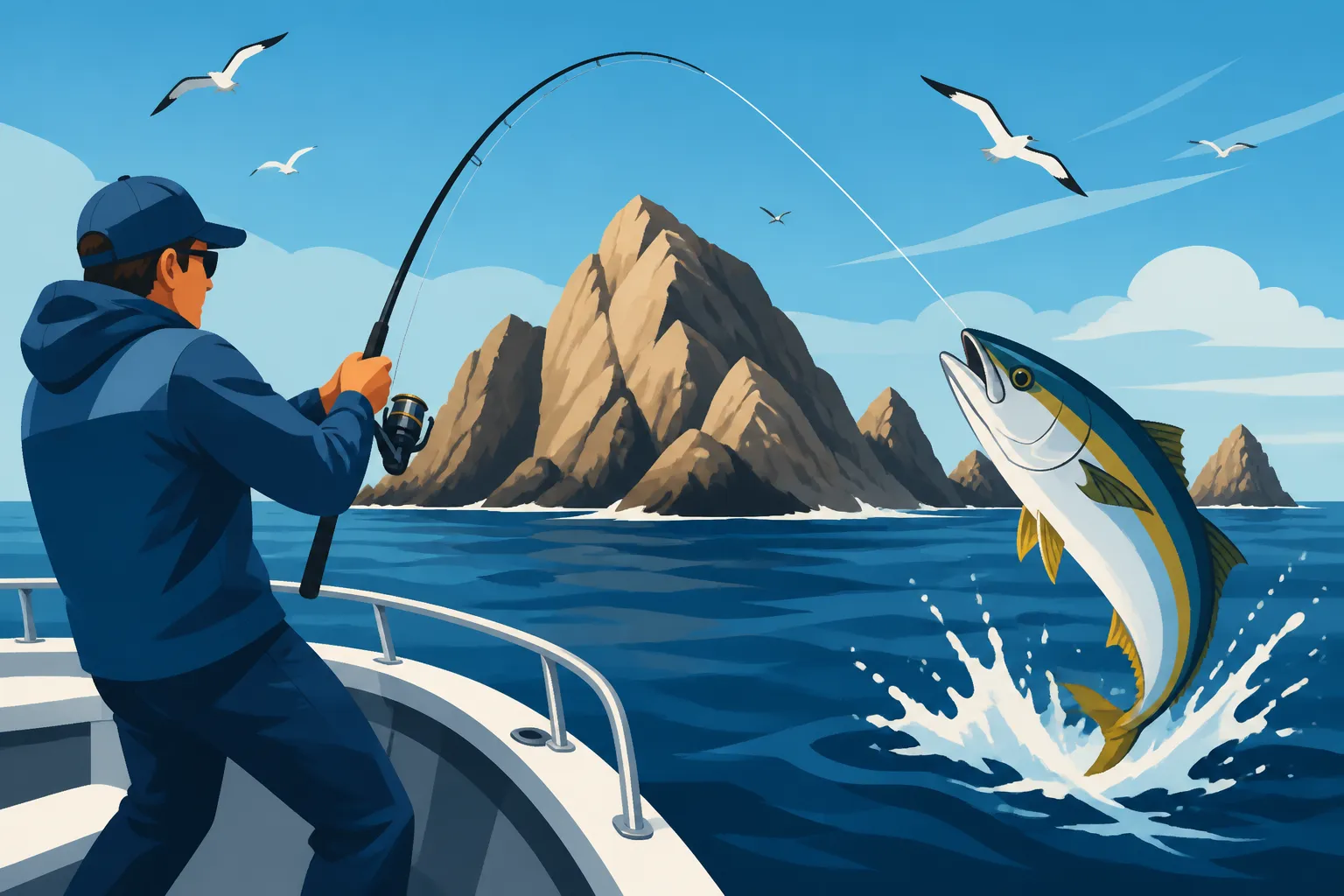
Let's be honest, the Farallons aren't your typical easy-access fishing spot. The journey itself is an adventure, crossing open ocean waters that can be notoriously lumpy. But that's part of the draw, isn't it? It feels like you're venturing into true wilderness. This group of islands, the Farallon Islands National Wildlife Refuge, is a critical habitat for seabirds, marine mammals, and a diverse array of fish. While much of the immediate area is protected, skilled captains know exactly where to take you to find the fish while respecting the marine protected areas. You'll often see whales, dolphins, and countless seabirds, making the trip a wildlife viewing extravaganza even before you drop a line. The challenge of the journey makes the reward of hooking into a feisty lingcod or a trophy rockfish all the more satisfying. It’s a place that demands respect but gives back tenfold in unforgettable experiences.
Prime Species to Target in Farallon Waters
The cold, nutrient-rich waters around the Farallons are a veritable smorgasbord for a variety of desirable fish species. When you book a trip here, you're typically looking at a few main targets, depending on the season and prevailing conditions.
One of the biggest draws, especially for bottom fishermen, is the incredible abundance and diversity of rockfish. We're talking about everything from the vibrantly colored vermilions and copper rockfish to the larger, more aggressive greenspots and bocaccio. These fish tend to congregate around the rocky structures and pinnacles that make up the islands' underwater topography, often at depths ranging from 50 to 300 feet. You can learn more about California Rockfish Species Identified to get an idea of the variety you might encounter.
Then there's the mighty lingcod. These toothy predators are a favorite among anglers due to their size, their fighting spirit, and their delicious white meat. Lingcod often lurk in the same rocky haunts as rockfish, ambushing prey. They're a true prize, and hooking into a big one can be an arm-burning experience.
During certain times of the year, particularly late spring and summer, the Farallons can also be a hotspot for salmon, primarily Chinook (King) salmon. These magnificent fish migrate through the area, feasting on baitfish before heading to their spawning rivers. Targeting salmon here typically involves trolling with bait or artificial lures, a very different technique than bottom fishing. Keep an eye on California Salmon Season Dates Explained to know when these runs might occur, as they can change annually based on environmental factors. While not as common, sometimes you might even find halibut, especially if conditions are right and you're fishing closer to shallower, sandy areas around the deeper reefs.
Planning Your Farallon Islands Fishing Expedition
Planning any offshore fishing trip requires a bit of foresight, but a journey to the Farallons demands even more attention to detail. It's not a spur-of-the-moment decision; it's an expedition.
Choosing the Right Charter and Trip Duration
This is arguably the most critical decision you'll make. A trip to the Farallons is almost exclusively done via a sportfishing charter out of ports like San Francisco, Emeryville, or Berkeley. You'll find two main types of trips: "open party" boats, where you buy a single spot alongside other anglers, and private charters, which are ideal for groups.
For the Farallons, most trips are full-day excursions, typically running 10-12 hours from dock to dock. This allows for the considerable travel time out to the islands and ample fishing time once you're there. Half-day trips generally don't venture that far offshore. When looking for a charter, prioritize boats with experienced captains and crews who know the Farallon banks intimately. They'll have the local knowledge to navigate the often-challenging conditions and put you on the fish. Websites like FishingBooker are excellent resources for comparing different charter options, reading reviews, and checking availability. They list many reputable boats specializing in offshore Farallons trips. When checking out options for California Fishing Charters: Complete Guide, make sure to filter for boats explicitly mentioning Farallon Islands trips. Some charters might specialize in salmon trolling, while others focus on rockfish and lingcod, so choose one that aligns with your target species.
Essential Gear and Preparations for the Journey
Packing light but smart is key for a Farallon Islands trip. The conditions offshore can change rapidly, from calm seas to strong winds and heavy swells.
Rods, Reels, and Tackle:
Most charters offer rental gear, which is a great option, especially for beginners or those flying in. However, if you bring your own, for bottom fishing for rockfish and lingcod, you'll want a sturdy conventional rod (6'6" to 7'6") with a fast action, rated for 30-80 lb line. Pair it with a reliable conventional reel like a Penn Fathom or a Daiwa Saltist, spooled with 60-80 lb braided line and a top shot of 40-50 lb fluorocarbon leader. For weight, expect to use 8-16 oz sinkers, sometimes even heavier if the current is ripping. Jigs like the Ahi Assault Diamond Jigs or P-line Laser Minnow jigs in weights from 4-8 oz are popular, as are standard bait and dropper loop rigs with squid or mackerel. If targeting salmon, lighter setups with trolling rods and downriggers will be used, and the charter will typically provide specialized gear for that.
Clothing and Comfort:
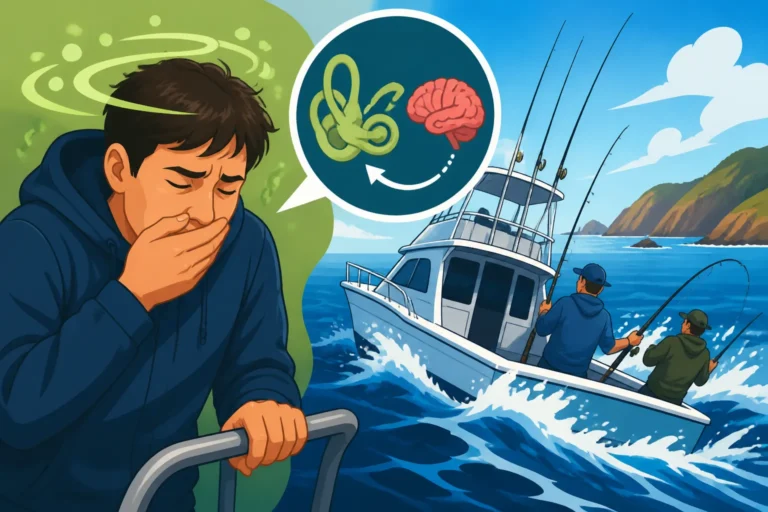
Layer, layer, layer! Even on a sunny summer day, it can be chilly and windy out on the ocean. Start with a moisture-wicking base layer, add a warm fleece or puffy jacket, and top it off with waterproof outer layers – a good quality bib and jacket are invaluable. A warm hat, sunglasses, and gloves are also highly recommended. Don't forget non-slip, waterproof shoes or boots. Seasickness is a real concern on these trips due to the open ocean swell. Take preventative medication like Dramamine or Bonine the night before and again in the morning, well before you board. Bring plenty of water and snacks, and maybe a small cooler for your catch. Check out our guide on What to Bring on a California Fishing Charter for a more comprehensive checklist.
Licenses and Report Cards:
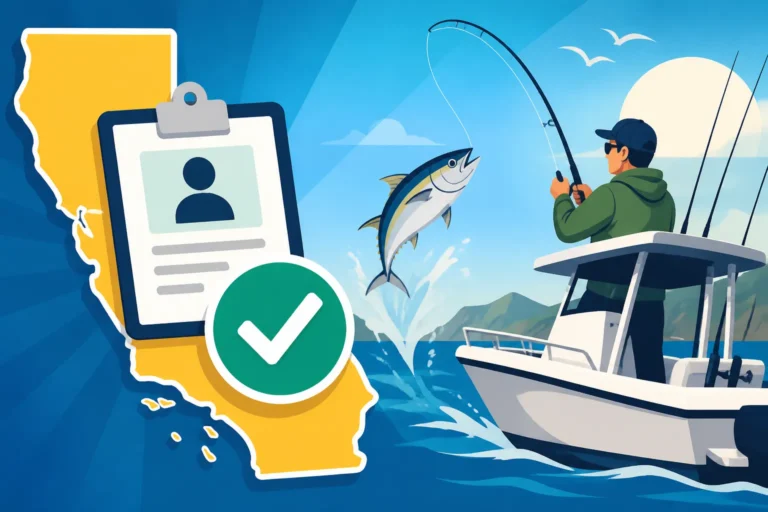
Absolutely essential! Every angler over 16 needs a valid California fishing license. If you plan to target salmon, you'll also need a California Salmon Report Card. While the boat may have some basic gear, you are responsible for your license and any necessary report cards. You can purchase these online or from licensed agents. Make sure you understand the requirements well in advance.
Navigating Regulations and Conservation at the Farallons
Fishing in California is always about balancing enjoyment with conservation, and nowhere is this more critical than around the Farallon Islands. This area is heavily protected, and for good reason.
Understanding Marine Protected Areas and Fishing Rules
The Farallon Islands are at the heart of the Greater Farallones National Marine Sanctuary and the Farallon Islands National Wildlife Refuge. This means there are strict rules in place to protect the incredible biodiversity here. While the immediate vicinity of the islands themselves often falls under "no-take" zones or other highly restricted Marine Protected Areas (MPAs), many of the productive fishing grounds are just outside these core zones, or within MPAs where recreational fishing is permitted with specific restrictions.
It's crucial to understand that while your charter captain will be intimately familiar with these boundaries, as an angler, you share the responsibility. These regulations are designed to sustain fish populations and protect sensitive habitats. Respecting these rules not only keeps you compliant with the law but also ensures these incredible fisheries remain viable for future generations. You can find more detailed information by looking into California Marine Protected Areas Explained. It's a complex system, but vital for preserving these unique habitats.
Species-Specific Regulations and Limits
Beyond the general MPA rules, each target species has its own set of regulations concerning seasons, bag limits, and size limits. These are non-negotiable and strictly enforced by the California Department of Fish and Wildlife (CDFW).
Rockfish: Rockfish regulations are highly dynamic and can change annually, sometimes even mid-season, largely due to stock assessments and conservation needs. Historically, there have been statewide depth restrictions, often prohibiting fishing below a certain depth to protect sensitive, slower-growing deepwater species. Bag limits typically apply to a combined total of rockfish species, with some individual species having their own specific limits. For example, the daily limit for rockfish (excluding cabezon, greenling, and kelp greenling) is generally 10 fish in aggregate, with no more than 1 of some particular species like copper rockfish. You'll definitely want to consult the California Rockfish Regulations and Limits before your trip.
Lingcod: Lingcod also have specific size and bag limits. The typical minimum size limit is 22 inches, and the bag limit is usually two fish per person per day. These rules help protect the spawning stock and ensure sustainable populations. Your charter crew will have measuring devices onboard and will help you correctly identify and measure your catch.
Salmon: If you're targeting salmon, the regulations are even more complex, often varying by management area and subject to emergency closures based on federal assessments. Typically, there's a minimum size limit (often 20 or 24 inches) and a daily bag limit (usually one or two fish). Remember that salmon season is often restricted to certain months and days of the week, and you must possess a California Salmon Report Card. These details are critical and can be found in our California Salmon Regulations and Limits guide.
It cannot be stressed enough: familiarize yourself with the current regulations before you go. Don't rely solely on what you think you know or what you've heard. The CDFW publishes an annual sport fishing regulations booklet, and most reputable charters will also provide updates.
Here’s a quick overview of some common Farallon Islands target species and their general regulations, but always check the most current CDFW regulations before your trip:
| Species | Typical Season (General) | Minimum Size Limit | Bag Limit (Per Angler) | Common Fishing Depth | Notes |
|---|---|---|---|---|---|
| Rockfish | Year-round (with depth restrictions) | Varies by species, often none for common types | 10 in aggregate (specific species limits apply) | 50-300 feet (subject to depth restrictions) | Check for specific species limits (e.g., 1 Copper Rockfish) and regional depth rules. |
| Lingcod | Year-round (with seasonal closures) | 22 inches | 2 | 50-300 feet | Often caught in conjunction with rockfish on rocky structure. |
| Chinook Salmon | Typically late Spring – Fall | 20 or 24 inches (varies) | 1-2 (varies) | Surface to 100 feet | Requires California Salmon Report Card; season highly variable. |
| Halibut | Year-round | 22 inches | 2 | 30-150 feet | More common closer to shore or specific banks with sandy bottom. |
Note: All regulations are subject to change by the CDFW. This table is for general informational purposes only. Always consult current official regulations.
Maximizing Your Catch and Experience
Going to the Farallons isn't just about catching fish; it's about the entire experience. But let's be real, catching fish is a big part of that experience!
Best Times of Year for Farallon Islands Fishing
The best time to fish the Farallon Islands really depends on what you're hoping to catch and what kind of ocean conditions you prefer.
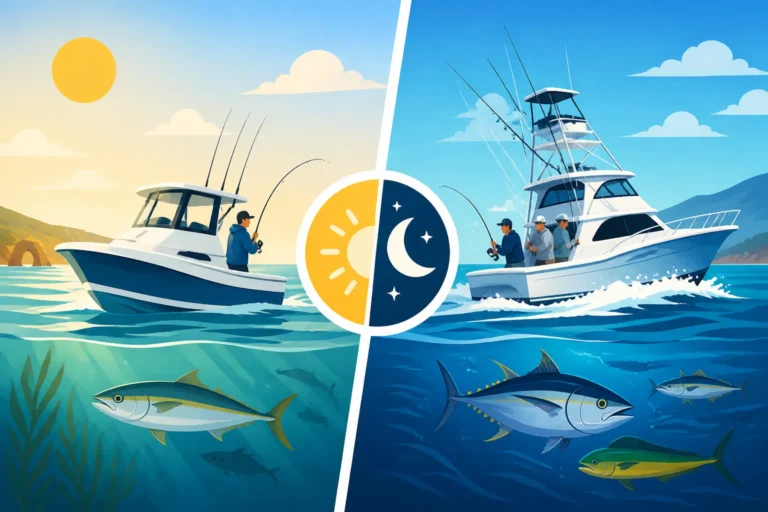
Spring (March – May): This can be a fantastic time for rockfish and lingcod. The ocean is starting to calm down from winter storms, and the fish are often active after the colder months. Spring also marks the typical start of salmon season openings, though the exact dates and success can vary wildly year to year. You might find the winds a bit stronger, but the fish are usually biting.
Summer (June – August): Many consider summer the prime time for Farallons fishing. The weather is generally more stable, meaning calmer seas and more comfortable boat rides (though it can still be choppy). Rockfish and lingcod are plentiful, and if the salmon season is open and productive, this is when you're most likely to hit a hot bite for Kings. This is a very popular time for charters, so booking well in advance, perhaps through a platform like FishingBooker, is a good idea.
Fall (September – November): Fall can offer some of the most spectacular fishing days at the Farallons. The crowds thin out a bit, and the weather can be incredibly pleasant, with calm, sunny days. Rockfish and lingcod remain strong targets, and late-season salmon can still be around. However, as winter approaches, the weather can become more unpredictable.
Winter (December – February): While it's generally too rough for most charters to consistently run Farallon Islands trips, there are occasionally calm windows. However, rockfish seasons are often closed or highly restricted during parts of winter to protect spawning fish. It's not usually the ideal time for a dedicated Farallons trip, though some nearshore rockfishing can happen on calmer days.
Ultimately, pay close attention to weather forecasts and ocean conditions. A good charter captain will prioritize safety and comfort, rescheduling if conditions are too rough.
Tips and Tactics for Success
Once you're out there, having a few tricks up your sleeve can make all the difference.
Bottom Fishing for Rockfish and Lingcod:
The most common technique around the Farallons is bottom fishing. When the captain marks fish on the sonar and gives the command, you drop your rig straight down to the bottom. For rockfish, a classic two-hook dropper loop rig with squid strips or anchovies works wonders. Leadhead jigs tipped with a grub or a small swimbait are also very effective. For lingcod, don't be afraid to go bigger! Large leadhead jigs (6-12 oz) tipped with a whole squid or a large soft plastic swimbait are prime choices. Many anglers will also try "mooching" for lingcod, slowly retrieving a large jig or bait with an occasional twitch. You can read up on techniques like How to Fish for Rockfish in California and How to Fish for Lingcod in California for more specific guidance.
Working with the Crew:
These deckhands are pros, and they've seen it all. Listen to their instructions regarding tackle, bait, and how to work your line. They'll tell you the best way to drop your line to avoid tangles in the strong currents and how to effectively retrieve your catch. Don't hesitate to ask them for help or advice – that's what they're there for! A well-tipped deckhand is a happy deckhand, and they work incredibly hard to ensure you have a successful trip.
Staying Present and Enjoying the View:
While catching fish is great, remember to take a moment to soak in the incredible environment. The Farallons are a wild place, teeming with life. Spotting a breaching whale, watching a huge flock of common murres fly overhead, or just feeling the vastness of the Pacific around you is an experience in itself. Even if the bite is slow, the scenery is almost always spectacular. Consider booking your trip for California Fishing in Summer for the best chance at calmer seas and abundant wildlife viewing.
Disclaimer
Please remember that fishing regulations, seasons, and limits in California are set by the California Department of Fish and Wildlife (CDFW) and can change frequently. It is the responsibility of every angler to consult the most current official regulations before heading out on any fishing trip. Information provided in this guide is for general informational purposes only and should not be considered a substitute for official CDFW resources. Always prioritize safety and adhere to all local, state, and federal laws.