How to Fill Out a California Report Card
Let's be honest, nothing quite takes the wind out of your sails after a fantastic day on the water like realizing you still have to fill out that dreaded California fishing report card. It often feels like a bureaucratic hurdle, confusing and easy to mess up, but it's a critical part of our state's conservation efforts. This guide is here to walk you through every step of accurately filling out your California fishing report card, making sure you stay compliant and contribute positively to fisheries management.
Understanding the Importance of Your Report Card
Before we dive into the nitty-gritty of ink and boxes, let's chat for a moment about why these report cards even exist. It's easy to see them as just another piece of paper the California Department of Fish and Wildlife (CDFW) makes us fill out, but they're actually incredibly valuable tools. Think of your report card as your direct contribution to the health and future of California's most prized fish species, especially those that are migratory or have very specific management needs.
More Than Just a Permit: A Conservation Tool
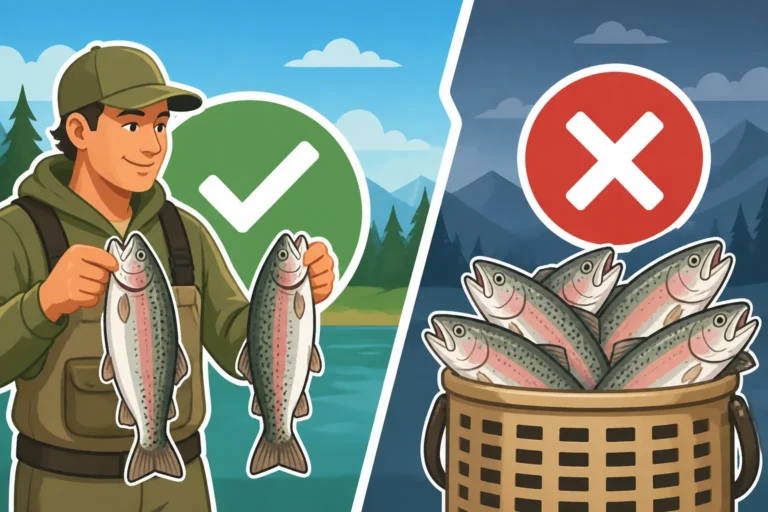
These cards aren't just a fancy receipt for your fishing rights; they're essentially a data collection mission. Every entry you make, whether it's a fish caught and kept, one caught and released, or even a day you fished without a single bite, provides crucial information to biologists. This data helps the CDFW understand population trends, migration patterns, and the overall health of a fishery. Without this information, it would be much harder to set appropriate bag limits, season dates, and other regulations designed to ensure sustainable fishing for generations to come. It’s how they determine things like the annual California Salmon Season Dates Explained or how many California Trout Limits and Regulations are appropriate for your local lake.
Consequences of Improper or Missing Cards
Neglecting your report card isn't just a minor oversight; it can actually lead to some pretty serious headaches. We're talking about potential fines and penalties that can quickly turn a memorable fishing trip into an expensive lesson. Game wardens take these regulations very seriously, and rightfully so. Having a report card but failing to fill it out correctly, or worse, not having one at all when targeting species that require it, can result in citations. Imagine spending hundreds on gear only to get fined because you didn't know the rules for your California Steelhead Report Card or California Sturgeon Report Card. It’s not just about compliance; it's about protecting your angling privileges and avoiding unnecessary stress.
Acquiring and Preparing Your Report Card
So, you know you need one. Great! But how do you get your hands on a California fishing report card, and what should you do with it before you even hit the water? This stage is all about preparation, making sure you have the right card for the right species and that it's ready for action.
Where to Purchase Your Report Card
Getting your hands on a report card is usually pretty straightforward, especially if you're already familiar with the process of obtaining your general California Fishing License Guide. Most places that sell fishing licenses will also sell the required report cards. This includes:
- Online: The easiest and often most convenient way is through the CDFW's online license sales system. You can purchase your annual fishing license and any necessary report cards (like for Steelhead, Sturgeon, or Salmon) from the comfort of your home. They'll typically mail them to you, so plan ahead!
- Authorized License Agents: Think your local sporting goods stores, bait and tackle shops, and some big-box retailers like Walmart or Big 5 Sporting Goods. These places are set up to issue licenses and report cards on the spot. It’s a great option if you need one last minute.
- CDFW Offices: While less common for everyday purchases, CDFW regional offices also sell licenses and report cards.
Remember, a report card is in addition to your regular fishing license. It's crucial to understand the difference between a California Fishing License vs Report Card before you head out.
Essential Pre-Trip Preparation
Okay, you've got your shiny new report card (or cards, if you're chasing multiple species!). Before it even sees the inside of your tackle box, there are a few things you should do:
- Sign It Immediately: Just like your fishing license, your report card needs to be signed in indelible ink as soon as you receive it. An unsigned card is often considered invalid.
- Review Instructions: Give the card a quick read-through. While we’re going to cover everything here, it helps to familiarize yourself with the layout and specific requirements printed right on the card.
- Gather Your Tools: You'll need a good, waterproof pen. Seriously, invest in one. Nothing is more frustrating than trying to mark a soggy card with a pen that won't write. Many anglers swear by Rite in the Rain pens, which you can often find on Amazon. A small, compact clipboard or a waterproof case for your license and report cards, also easily found on Amazon, can be a lifesaver, especially if you're fishing in damp conditions or on a boat.
- Know Your Dates: Double-check the valid dates for your report card. They usually run concurrently with the calendar year of your fishing license.
Step-by-Step Guide to Filling Out Your California Report Card
Now for the main event: actually filling out that report card. The key here is accuracy, completeness, and doing it in a timely manner. Don't wait until you get home to fill things out; make your entries as soon as you've caught a fish, or even for "no catch" days.
General Information and Annual Declarations
Every report card will have a section for your basic information. This might seem obvious, but rushing through it can lead to errors.
- Personal Details: This usually includes your full name, address, and most importantly, your California fishing license number. Make sure these match exactly what's on your physical fishing license.
- Annual Declaration: For some report cards, especially the Steelhead Report Card, you'll need to declare your fishing activity before you even start your first trip. This often involves checking a box to indicate you plan to fish for that species. This initial declaration is critical; failing to mark it can invalidate your card. Read the front of your card carefully for any such requirements.
- Report Card Number: Each card has a unique serial number. Make sure it's legible if you ever need to reference it.
Recording Specific Catch Events
This is where most of the action happens. Whether you're keeping a fish or releasing it, the details matter.
- Date of Catch: Always record the date you caught the fish. Use a consistent format (e.g., MM/DD/YYYY).
- Location: This is crucial for CDFW data. Be as specific as possible. For rivers, name the river and perhaps a recognizable landmark or section (e.g., "Trinity River – near Junction City"). For lakes, name the lake (e.g., "Lake Shasta – Squaw Creek arm"). For ocean fishing, it might be the general area or a specific bank/reef if known.
- Species Caught: Most report cards are species-specific, so this should be straightforward (e.g., "Steelhead," "White Sturgeon," "Chinook Salmon").
- Size (Estimated or Measured): If the card asks for length, provide it. Measure from the tip of the snout to the fork of the tail for most species, or the end of the tail for others (check California Fishing Regulations Explained for specifics). If released, an honest estimate is acceptable.
- Kept or Released: This is a critical distinction.
- Kept Fish: For species like Steelhead or Sturgeon, if you retain a fish, you often need to punch or cut out a specific tag or mark a box immediately upon retaining the fish. This physically marks the card, preventing you from keeping more than your limit. Do this immediately upon deciding to keep the fish.
- Released Fish: If you catch and release a fish, you still need to record it. This provides valuable data on catch rates, even if the fish aren't removed from the population. Mark the designated "released" box.
- Gear Used: Sometimes, cards ask for the type of gear (e.g., "fly fishing," "lure," "bait"). This helps CDFW understand fishing pressure and effectiveness of different methods.
The All-Important "No Catch" Entry
This is probably the most commonly overlooked aspect of report cards, and it's a huge point of frustration for many anglers. Even if you don't catch a single fish on a day you go out and target a species requiring a report card, you still need to mark that day.
- Why It Matters: "No catch" data is just as vital as "catch" data. It helps biologists understand effort and success rates. If everyone only reports their successful trips, the CDFW gets a skewed picture of the fishery's health.
- How to Mark It: Each report card has a designated section or series of date boxes. If you fish on a particular day and don't catch anything, you'll typically mark that date as an "effort" day with "no catch." For example, the Steelhead Report Card has a column for "Number of Days Fished (No Catch)." You'd tally these up and enter the total at the end of the season. For others, it might be marking each individual date.
Understanding Specific Report Card Requirements
While the general principles apply, California has several species-specific report cards, and each comes with its own set of nuances. Let's look at the most common ones.
California Steelhead Report Card
The California Steelhead Report Card is arguably one of the most complex, primarily because steelhead are such a revered and vulnerable species.
- Mandatory for Steelhead Fishing: You absolutely need one of these if you're fishing for steelhead in any inland waters where they occur.
- Tagging Requirement: This is the big one. Each card comes with a series of numbered tags. If you retain a steelhead, you must immediately affix one of these tags to the fish. The tag needs to be securely attached, often through the gill plate or jaw, and it must stay on until the fish is processed for consumption.
- Date, Location, and River System: Beyond the general date, you need to specify the river system (e.g., Klamath, Trinity, Eel) and often the specific section or tributary.
- Punching Out the Date: For each steelhead retained, you must physically punch out or cut out the corresponding date and tag number on the card itself, not just write it down. This prevents reuse.
- Recording Released Fish: Even if you're practicing catch-and-release, you still need to record every steelhead you catch and release. This helps CDFW monitor catch rates, which is crucial for population estimates.
California Sturgeon Report Card
Sturgeon, particularly White Sturgeon, are ancient and highly regulated fish. The California Sturgeon Report Card helps protect these magnificent creatures.
- Slot Limit Focus: Sturgeon fishing is almost entirely focused on a strict slot limit, meaning only fish within a specific size range can be kept. Outside of that, they must be released. You must know the current California Sturgeon Slot Limit before you ever cast a line.
- Tagging and Immediate Action: Similar to steelhead, if you retain a legal-sized sturgeon, you must immediately tag it and punch out the date and tag number on your report card. The tag must remain on the fish until it's processed.
- Catch and Release Data: Even if you're only targeting sturgeon for catch and release, every single sturgeon caught (regardless of size) must be recorded on your card, including length, location, and whether it was released. This provides essential data on encounters with undersized and oversized fish.
California Salmon Report Card
While ocean salmon fishing often falls under the general saltwater regulations, specific inland freshwater fisheries for salmon, especially Chinook (King) salmon, may require a California Salmon Report Card.
- Season-Dependent: Salmon seasons can change year-to-year and by region, so always check the current California Salmon Season Dates and regulations first.
- Species Identification: Ensure you can correctly identify Chinook salmon from other salmonids or trout, as regulations (and report card requirements) differ.
- Punch Card System: These cards typically operate on a punch-card system. For each legal salmon you retain, you'll punch out a designated block on the card.
- Location Specificity: Record the river system and specific location.
Here's a quick comparison table for clarity:
| Feature | California Steelhead Report Card | California Sturgeon Report Card | California Salmon Report Card (Inland) |
|---|---|---|---|
| Species Targeted | Steelhead Trout | White Sturgeon | Chinook (King) Salmon |
| Mandatory For | Fishing for Steelhead in inland waters | Fishing for Sturgeon in inland waters | Fishing for Salmon in specific inland waters |
| Catch Limits | Highly restricted, often 1-2 per season (check regulations) | Slot limit (e.g., 40-60 inches), 1 per day, 3 per year (check regs) | Varies by river, season, and species; usually 1-2 per day (check regs) |
| Tagging/Marking Kept | Yes, physical tag affixed immediately; punch out date/tag on card | Yes, physical tag affixed immediately; punch out date/tag on card | Yes, punch out specific box for each retained fish |
| Recording Released | Yes, all caught and released must be recorded | Yes, all caught and released must be recorded (including size) | Sometimes required; check specific regulations for the fishery |
| "No Catch" Days | Yes, must tally days fished without catching a steelhead | Yes, must record all effort, even if no catch | Generally, no specific "no catch" entry, but check specific card |
| Submission Deadline | January 31st of the following year | January 31st of the following year | January 31st of the following year |
Returning Your Report Card to CDFW
You've done the hard part – meticulously recording your catches and efforts throughout the season. Now comes the final, but equally important, step: submitting your report card. This isn't optional; it's a mandatory requirement, even if you didn't catch a single fish.
Understanding the Deadlines
This is a critical piece of information that many anglers miss. For most California fishing report cards (Steelhead, Sturgeon, and Salmon), the submission deadline is January 31st of the following year. So, if you fished in 2024, your report card is due by January 31st, 2025. Missing this deadline can lead to fines and, in some cases, even jeopardize your ability to get future report cards. Always keep an eye on these dates, and perhaps even set a reminder on your phone when you first purchase your card. You can find more details on California Report Card Deadlines to ensure you're always on schedule.
Methods of Submission
The CDFW provides a couple of convenient ways to return your report cards:
- Mail: This is the traditional method. Simply detach the completed report card from your license (or the part you need to send back, following the instructions on the card), place it in an envelope, and mail it to the address provided on the card or the CDFW website. It’s a good idea to make a photocopy or take a picture of your completed card before mailing it, just for your records. If it gets lost in transit, you’ll at least have proof you filled it out.
- Online Submission: For many report cards, the CDFW now offers an online submission portal. This is often the quickest and most reliable way to submit your data. You'll typically enter the information directly from your physical card into an online form. Be sure to visit the official CDFW website to find the correct portal for How to Return a California Report Card. Using the online method can also sometimes provide an immediate confirmation, giving you peace of mind.
What if You Didn't Use It?
Even if you purchased a report card but didn't end up using it at all, or didn't catch anything, you still need to return it. Mark the appropriate "no fishing effort" or "no catch" sections (if applicable for that specific card) and send it in. Remember, "no catch" data is still valuable to the CDFW for understanding effort. Don't just throw it away!
Common Report Card Mistakes and How to Avoid Them
We all make mistakes, especially when dealing with regulations that can sometimes feel like reading a tax form. But when it comes to fishing report cards, some common errors can lead to big headaches. Let's look at what anglers often get wrong and how you can sidestep these pitfalls.
Incomplete or Illegible Information
This is probably the most frequent issue. You're out on the water, hands cold, sun in your eyes, and you quickly scrawl down some info. Later, it's unreadable, or you forgot a crucial detail.
- The Fix:
- Write Clearly and Immediately: As soon as you catch a fish (or decide you’ve fished for the day), stop, find a stable surface, and write clearly.
- Use the Right Pen: We mentioned this before, but it bears repeating: a good quality, waterproof pen is non-negotiable. Don't rely on a pencil or a cheap ballpoint that smears with a single drop of water. You can find excellent options on Amazon that will stand up to the elements.
- Check Against License: Always ensure your name and license number on the report card match your actual How to Get a California Fishing License information.
Forgetting to Mark "No Catch" Days
We touched on this earlier, but it’s such a common oversight. Many anglers believe if they didn't catch anything, there's nothing to report. This is incorrect for several report cards.
- The Fix:
- Understand Card-Specific Rules: For Steelhead and Sturgeon report cards, you must report your effort, even if you don't catch a fish. Make it a habit: if you target one of these species, you're interacting with the report card.
- Daily Habit: Consider it part of your routine. At the end of each day you fish, if you haven't recorded a catch, make the appropriate "no catch" entry or tally for that day.
- Review Instructions: The CDFW is usually pretty clear about this on the card itself or in the California Fishing Regulation Booklet Explained.
Incorrect Species Identification
California is home to a vast array of fish, and some can look very similar, especially when they're young or in different life stages. Mistaking a rainbow trout for a steelhead, or an undersized white seabass for something else, can lead to inaccurate reporting and potential violations.
- The Fix:
- Study Up: Before you go, familiarize yourself with the target species. Know their distinguishing features, especially size and coloration. The California Fish Species Complete Guide on our site can be a great resource.
- Measure Carefully: Always measure any fish you're considering keeping or are required to report (even if released). This helps confirm species and ensures it meets legal size requirements.
- Consult Resources: If you're unsure, refer to a fish identification guide (many apps exist now!) or consult with more experienced anglers. When in doubt, it’s always better to release the fish.
Late Submission
Missing the January 31st deadline is a classic mistake that can result in penalties, as discussed.
- The Fix:
- Set Reminders: As soon as you purchase your report card, set a calendar reminder for mid-January to submit it.
- Submit Early: Don't wait until the last minute. The sooner you submit, the less likely you are to forget or encounter unexpected issues (like a lost card or internet problems with online submission).
- Utilize Online Submission: If available, online submission can be quicker and provide immediate confirmation, reducing the risk of postal delays.
By being diligent and paying attention to these common pitfalls, you can ensure your California fishing report card is always filled out correctly and submitted on time, keeping you in good standing with the CDFW and contributing to the health of our fisheries.
Disclaimer
Please remember that fishing regulations, including those concerning report cards, can change. Always consult the official California Department of Fish and Wildlife (CDFW) regulations booklet or their website for the most current and accurate information before heading out on your fishing trip. This guide is for informational purposes only and should not be considered a substitute for official regulations.