Smith River: Fishing Access and Tips
Oh, the Smith River! If you've ever found yourself daydreaming about crystal-clear emerald waters winding through ancient redwood forests, chasing truly wild fish, you've likely pictured the Smith. It's a place of breathtaking beauty and legendary fishing, but its wild nature also means it can be a bit intimidating to navigate for the uninitiated. This guide is all about demystifying the Smith, breaking down the best access points, and sharing some hard-earned tips to help you make the most of your adventure on this truly special California river.
The Pristine Waters of the Smith River and Why Anglers Love It
The Smith River, nestled in the far northern reaches of California, isn't just another river; it's a living legend. It holds a special place in the hearts of anglers because it's the largest free-flowing river system in California, meaning no major dams impede its natural flow. This singular characteristic sets it apart, contributing to its incredible ecological health and its reputation as a premier destination for wild anadromous fish.
Unparalleled Wild Salmon and Steelhead Fishery
What really draws anglers to the Smith is the incredible opportunity to target wild salmon and steelhead. Unlike many other rivers where hatchery fish supplement the wild runs, the Smith River primarily supports robust, naturally spawning populations. This means that every hook-up, every fish fought and landed, is a testament to the river's vitality and the strength of its wild genetics. You'll find impressive runs of both king (Chinook) salmon in the fall and formidable winter steelhead that challenge even the most experienced anglers. The lack of dams allows these fish to follow their ancient migratory paths unobstructed, creating a dynamic and thrilling fishery that changes with the seasons and water conditions. Getting a California Steelhead Report Card is crucial if you plan to target these incredible fish, as reporting helps manage and protect these precious wild populations.
Unique Geology and Water Clarity
Beyond the fish, the sheer aesthetics of the Smith River are unparalleled. The water itself is famously clear, often described as an emerald green, a result of its unique geological composition. The river flows primarily through redwood and national forest lands, draining a watershed dominated by serpentine and other geology that resists erosion, keeping the sediment load low. This exceptional clarity, even during significant winter rains (though it can blow out, of course), means stealth is absolutely paramount when fishing. You're not just casting into water; you're often able to see the gravel bars and sometimes even the fish themselves, which adds an extra layer of challenge and excitement. Imagine wading into those clear waters, framed by towering ancient redwoods and lush green foliage – it’s an experience that transcends mere fishing.
Navigating Access Points and Permits
So, you're convinced the Smith River is your next angling destination. Fantastic! Now comes the practical part: figuring out where to go and what you need. While its wildness is its charm, it also means access isn't always as straightforward as casting from a bustling city park. A little planning goes a long way here.
Key Public Access Points
Accessing the Smith River largely depends on whether you're targeting specific species, what time of year it is, and whether you're fishing from the bank or a drift boat. The river flows primarily through public lands, including Jedediah Smith Redwoods State Park and Six Rivers National Forest, which offer several well-known points of entry.
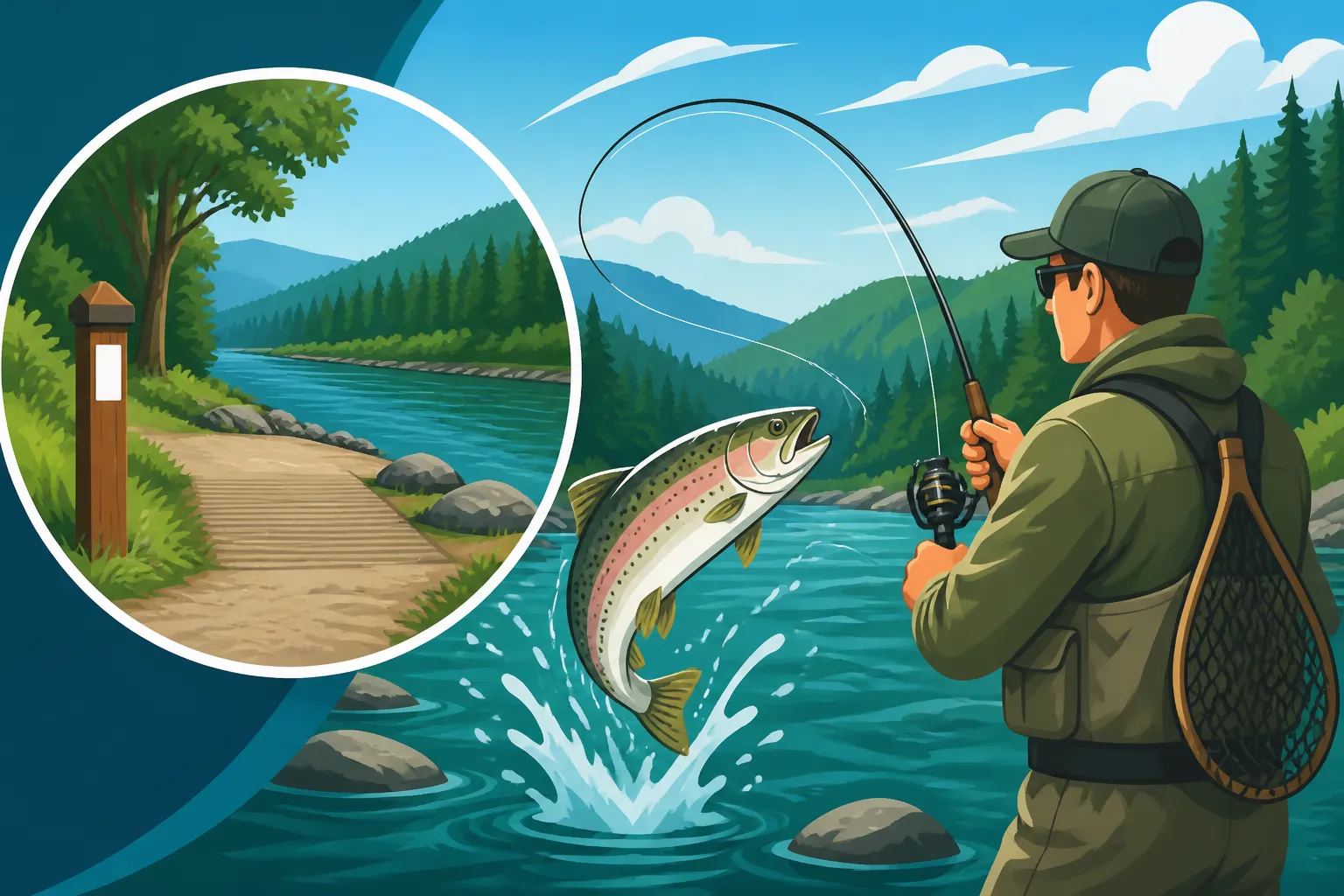
One of the most popular areas for both bank and drift boat access is around Jedediah Smith Redwoods State Park. The river runs right through it, and there are several spots where you can get to the water. For example, the area around Hiouchi Bridge provides both bank access and a popular launch point for drift boats. You'll often see guides and anglers congregating here, especially during peak steelhead season. Further upstream, near the town of Gasquet, there are various informal pull-offs and paths that offer access, particularly for those willing to walk a bit. Highway 199, which generally follows the river, provides numerous vantage points and potential, albeit sometimes steep, paths down to the water. Always be mindful of parking regulations and private property signs. Another good resource is the Bureau of Land Management (BLM) land that abuts portions of the river, offering additional public access, though these spots might require more exploration to find ideal fishing holes. For those planning an extensive trip, understanding the broader California Fishing License Guide is fundamental, as requirements can vary by age and residency.
Understanding Private Land and Regulations
While much of the Smith River is accessible via public lands, there are also significant stretches of private property. It's absolutely crucial to respect these boundaries. Trespassing is not only illegal but can also lead to the loss of good fishing spots for everyone. Always look for "No Trespassing" signs, and if in doubt, assume it's private. A good topo map or a fishing app on your phone can help identify public versus private land parcels, but nothing beats local knowledge.
Beyond property lines, the Smith River has specific fishing regulations that anglers must adhere to. These are set by the California Department of Fish and Wildlife (CDFW) to protect the sensitive wild populations. Regulations often include gear restrictions (like barbless hooks for steelhead and salmon), specific open and closed seasons for certain species, and bag and size limits. For instance, the California Freshwater Fishing Regulations are quite detailed for the Smith. You'll need to pay close attention to the specific section of the river you're fishing, as rules can vary. For instance, sections upstream might have different rules than those closer to the mouth. Always check the current CDFW regulation booklet or their website before heading out. Seasons for anadromous fish are particularly dynamic; for example, California Salmon Season Dates and California Steelhead Season Dates Explained can change annually based on fish returns and population health.
Here's a quick overview of some popular access points and what they typically offer:
| Access Point | Primary Fish Species | Typical Fishing Method(s) | Notes |
|---|---|---|---|
| Hiouchi Bridge Area | Steelhead, King Salmon, Trout | Drift Boat Launch, Bank Fishing | Very popular, good access to prime runs. Parking can be busy. |
| Jedediah Smith Redwoods SP | Steelhead, King Salmon, Trout | Bank Fishing, Wading, Kayak | Scenic, multiple pull-offs, but can involve longer walks. |
| Gasquet Bridge Area | Steelhead, King Salmon, Trout | Drift Boat Launch, Bank Fishing | Upriver access, can be quieter. Check flows for drift viability. |
| Various Hwy 199 Pull-offs | Steelhead, King Salmon, Trout | Bank Fishing, Wading | Informal, often requiring a hike. Respect private land. |
| South Fork Confluence | Steelhead, King Salmon, Trout | Bank Fishing, Wading | Important holding water, check specific regs for this area. |
Essential Fishing Tips for Smith River Success
Alright, you've found your spot, checked the regs, and got your license. Now for the fun part: actually catching some fish! Fishing the Smith River, especially for its renowned steelhead and salmon, requires a blend of appropriate gear, refined techniques, and a deep understanding of river dynamics.
Gear and Techniques for Wild Fish
Fishing for wild steelhead and salmon on the Smith isn't your average trout pond experience. These are powerful, intelligent fish, and the clear water demands a certain level of finesse and stealth.
For drift fishing – a hugely popular method, especially for steelhead – you'll want a medium-heavy rod, typically 9-10 feet long, paired with a reliable spinning or baitcasting reel. Your main line should be sturdy, often 15-20 lb braid, with a fluorocarbon leader of 8-12 lb. The clear water makes fluorocarbon almost invisible, which is key. Popular baits include roe, cured steelhead or salmon eggs, yarnies, and various small plugs or jigs. The idea is to present your bait naturally, bouncing it along the bottom through prime holding water. Focus on seams, tail-outs of pools, and areas behind submerged structure.
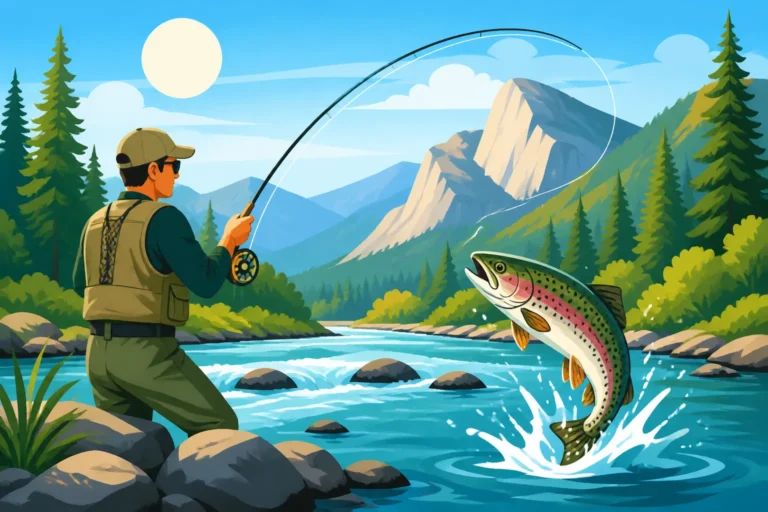
Fly fishing on the Smith is an art form, particularly for steelhead. Spey casting is incredibly effective for covering large runs without having to wade extensively, which is great for minimizing disturbance in the clear water. You'll typically use 7-9 weight spey or switch rods, with appropriate sinking tips and large, flashy intruders or traditional steelhead patterns like Hoh Bo Spey, Skagit Caddis, or various leeches. For resident trout in the summer, standard single-hand fly rods (4-6 weight) with nymphs, dry flies, or streamers work well. Fly anglers often find the challenge and reward of the Smith particularly fulfilling. If you're new to this, there are many resources on California Fly Fishing Guide or specific articles like How to Fly Fish for Steelhead in California that can provide a great starting point.
No matter your chosen technique, remember that these fish are easily spooked. Move slowly, speak quietly, and avoid brightly colored clothing. The clear water is both a blessing and a curse; it allows you to see them, but it also allows them to see you.
Reading the Water and Seasonal Considerations
Understanding the river itself is paramount on the Smith. Water levels and clarity are constantly changing, especially during the winter. A minor bump in flows after a rain can trigger a bite, while a full-blown "blow out" can make the river unfishable for days. Always check online flow gauges before you go. The "Sweet Spot" often lies on the drop, when the river is receding after a bump in flows, and visibility is improving but still slightly colored – providing fish a bit more cover.
- Fall (October – December): This is prime time for King Salmon. These powerful fish enter the river system to spawn, offering incredible battles. As the fall transitions to winter, the first push of winter steelhead will start to arrive.
- Winter (December – March): The heart of winter steelhead season. This is when the largest, most chrome-bright fish enter the river. Conditions can be tough, with cold temperatures and fluctuating water levels, but the rewards are immense. This is arguably the most popular time to fish the Smith for anadromous species. For specific timing, checking articles on the Best Season for Steelhead in California can be very helpful.
- Spring (April – May): While the main steelhead runs are winding down, some late-season fish might still be around. This is also a good time for resident trout as water temperatures begin to warm, and insect hatches become more active.
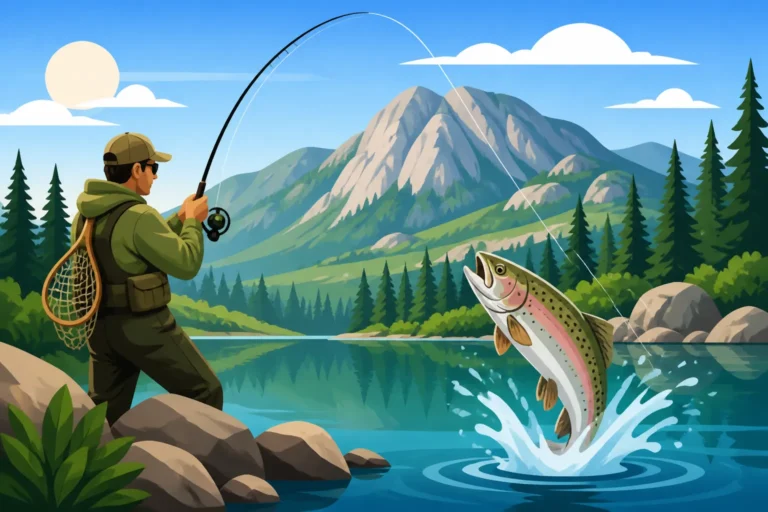
- Summer (June – September): The Smith transforms into a beautiful trout fishery. Wading is easier, and you can target rainbow and cutthroat trout with light tackle or fly rods. This is also a fantastic time for families or beginners to enjoy the river's beauty without the intensity of the anadromous runs. If you're aiming for trout, familiarize yourself with California Trout Fishing Techniques.
Always pay attention to seams where faster water meets slower water, deep pools, and gravel bars. Fish often hold in these transition zones, conserving energy and waiting for food to drift by. Look for subtle changes in current and depth, as these are often indicators of holding water.
Planning Your Trip to the Smith River Area
A trip to the Smith River isn't just a day trip for most; it's an immersive experience that often requires a bit more logistical planning than hitting a local lake. Its relative remoteness is part of its charm, but it also means you need to be prepared.
Lodging, Amenities, and Local Resources
The Smith River area, while wild, isn't entirely off the grid. The closest major town with more services is Crescent City, located a short drive west of the lower river. Here you'll find a range of lodging options, from hotels to vacation rentals, as well as grocery stores, restaurants, and gas stations. Closer to the river itself, smaller communities like Hiouchi and Gasquet offer more rustic accommodations, sometimes including cabins or small inns, and typically have bait and tackle shops where you can pick up essentials and, more importantly, get up-to-the-minute local advice on river conditions.
When you're preparing, think about what you'll need for several days. Pack appropriate clothing for all weather conditions – northern California winters can be wet and cold, even if the fishing is hot. Local tackle shops are invaluable resources. Stores like Hiouchi Hamlet or those in Crescent City often have the specific flies, lures, and baits that are currently working, and the staff are usually avid anglers themselves, willing to share recent reports and tips. Don't forget to grab your snacks and drinks, as options right on the river are extremely limited. It’s always a good idea to pack all the essentials, as outlined in guides like What to Bring on a California Fishing Charter, even if you’re bank fishing.
Hiring a Guide for a Better Experience
For many anglers, especially those visiting the Smith River for the first time or targeting elusive steelhead and salmon, hiring a local fishing guide is an investment that pays dividends. A guide provides not only the boat and gear but also decades of experience reading the specific nuances of the Smith River, understanding fish behavior, and knowing exactly where the fish are holding based on current conditions.
Local guides are intimately familiar with the ever-changing river. They know which drifts are productive, what flies or baits are performing best on a given day, and how to navigate the river safely. They can dramatically increase your chances of success and, more importantly, teach you invaluable techniques and rivercraft specific to the Smith. Many excellent guides operate on the Smith, specializing in drift boat trips for steelhead and salmon, but also offering walk-and-wade trips for trout. If you're serious about making the most of your trip, consider browsing platforms like FishingBooker to find reputable guides who specialize in the Smith River. You can read reviews, compare prices, and often directly book your trip. Using a service like FishingBooker streamlines the process of connecting with experienced professionals. Consulting a resource like Best Fishing Guides in California can also help you narrow down your choices and understand what to look for in a top-notch guide. Finding a guide through a trusted platform like FishingBooker ensures you're getting someone with a proven track record.
Ultimately, the Smith River is a truly special place that offers an unparalleled fishing experience. With a little preparation, respect for the environment, and perhaps the help of a local expert found through FishingBooker, you're set for an unforgettable adventure.
Disclaimer
The information provided in this guide is for general informational purposes only and is subject to change. Fishing regulations, seasons, and access points can vary and be updated frequently by the California Department of Fish and Wildlife (CDFW) and other governing bodies. Always consult the most current official regulations and local authorities before planning any fishing trip to ensure compliance and safety.