Best Season for Bluefin Tuna in California
Oh, the elusive Bluefin tuna! If you've spent any time dreaming of tackling one of these magnificent beasts off the California coast, you know the frustration of trying to pin down the "perfect" time to go. It feels like every year is different, with reports changing daily and the fish moving on a dime. It's enough to make your head spin, trying to align your schedule with the ocean's whims. But don't worry, this guide is here to untangle the mystery and help you understand the dynamic nature of the Bluefin tuna season in California, so you can increase your chances of that dream catch.
Understanding Bluefin Tuna Seasonality in California
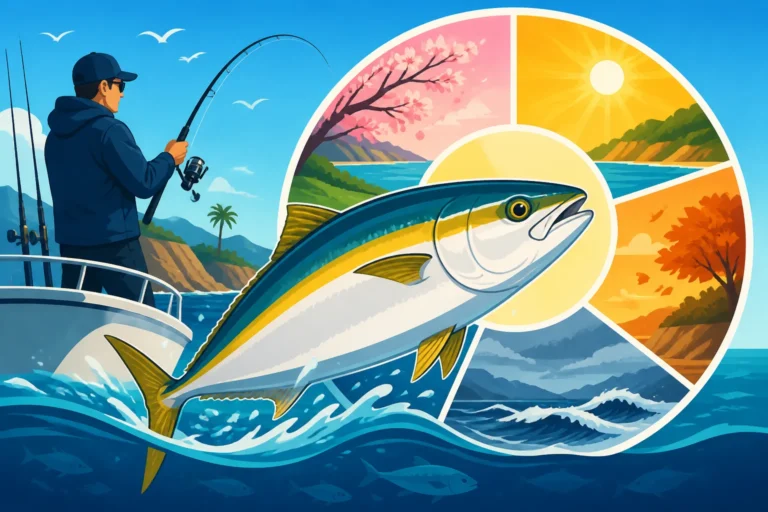
Bluefin tuna fishing in California isn't like clockwork; it's more like a symphony directed by ocean conditions, bait availability, and the fish's own mysterious migrations. While there's a general window when these powerful pelagics are present, understanding the nuances of their annual cycle is key to predicting when your best shot might be. It’s not just about showing up; it’s about knowing when to show up.
The Annual Migration Pattern
California's Bluefin tuna presence is primarily driven by a broader migration pattern in the Pacific Ocean. These highly migratory species travel vast distances, often following warm water currents and abundant food sources. For anglers in Southern California, the season typically kicks off when warmer waters, often associated with the Northern Equatorial Current and eddies spinning off the California Current, start pushing northward from Baja California. This brings with it the baitfish that Bluefin gorge on, like anchovies, sardines, and mackerel.
Initially, you might see smaller "football" sized Bluefin, weighing in at 20-50 pounds, making an appearance as early as late spring, typically May or June. These are often the vanguard, testing the waters before the main event. As the ocean continues to warm through summer, the larger, more mature Bluefin, often exceeding 100 or even 200 pounds, begin to move into California's offshore waters. This movement isn't a straight line; it's influenced by oceanic features such as temperature breaks, current seams, and submerged banks, which concentrate bait and, consequently, the tuna.
Southern California's Tuna Hotspots
When it comes to Bluefin, Southern California is the undeniable epicenter of the action. The coastline stretching from San Diego up past Los Angeles, and the offshore islands like San Clemente, Catalina, and Cortez Bank, become prime hunting grounds. The proximity of deep, nutrient-rich waters and the complex topography of the continental shelf create ideal conditions. San Diego, in particular, is renowned as the departure point for many world-class tuna trips, with major landings like Point Loma Sportfishing, H&M Landing, and Fisherman's Landing launching boats daily during peak season.
These hotspots aren't just random patches of ocean; they're areas where currents and bathymetry conspire to create feeding frenzies. The Cortez Bank, for example, is a submerged seamount far offshore that acts like a magnet for pelagic species, including vast schools of Bluefin. Similarly, the waters around San Clemente Island often hold significant numbers of tuna, especially later in the season. Understanding these geographical preferences, and how they relate to the tuna's migration, can help you interpret fishing reports and choose your destination wisely. It's about combining the fish's habits with local knowledge to pinpoint where they should be.
Historical Season Trends
Looking at historical data, the Bluefin tuna season in California has become more robust and extended over the past decade or so. While traditionally, August through October was considered prime time, recent years have seen strong Bluefin fishing starting as early as May and extending well into November, sometimes even December. This shift is likely due to a combination of factors, including changing ocean conditions, stronger year-classes of tuna, and perhaps even adaptive behavior by the fish themselves.
One thing that remains consistent is the general progression: early season often sees smaller, more numerous fish, closer to shore, offering fast action on lighter tackle. As the season progresses into late summer and early fall, the truly giant models—the "cows" as they're affectionately called—become more prevalent, often requiring heavier gear and longer runs offshore. These giants are the ones that test your mettle and your equipment, demanding a different level of preparation and strategy. Staying abreast of recent year trends and consulting experienced captains is crucial, as the best season for Bluefin tuna in California can indeed vary from year to year.
Key Factors Influencing Bluefin Tuna Presence
You can pour over calendars and tide charts all you want, but the ocean doesn't always play by our rules. The presence, and more importantly, the catchability of Bluefin tuna, is intricately linked to a few critical environmental factors. These aren't just minor details; they are the ocean's way of dictating the terms of engagement, and understanding them can help you make sense of those frustratingly unpredictable fishing reports.
Water Temperature and Ocean Currents
If there’s one golden rule for tracking Bluefin, it’s "follow the warm water." Bluefin tuna are highly sensitive to water temperature. They generally prefer waters between 60 and 75 degrees Fahrenheit, though they can tolerate a wider range when actively feeding. In California, this means that as the spring transitions to summer, the incursions of warmer, blue offshore water are the siren song for tuna. These warm water "tongues" and eddies push up from the south, bringing with them the entire pelagic ecosystem that Bluefin thrive in.
Ocean currents play an equally vital role. Strong current lines, upwellings, and temperature breaks often concentrate baitfish, creating feeding zones where the Bluefin gather. Think of it like an aquatic freeway system where the fish are looking for the best rest stops with abundant food. Satellite imagery showing sea surface temperature (SST) and chlorophyll concentrations (indicating bait presence) has become an invaluable tool for experienced captains to locate these productive zones. A sudden drop in water temperature or a shift in current can scatter a hot bite in hours, emphasizing just how dynamic this fishery truly is.
Bait Availability
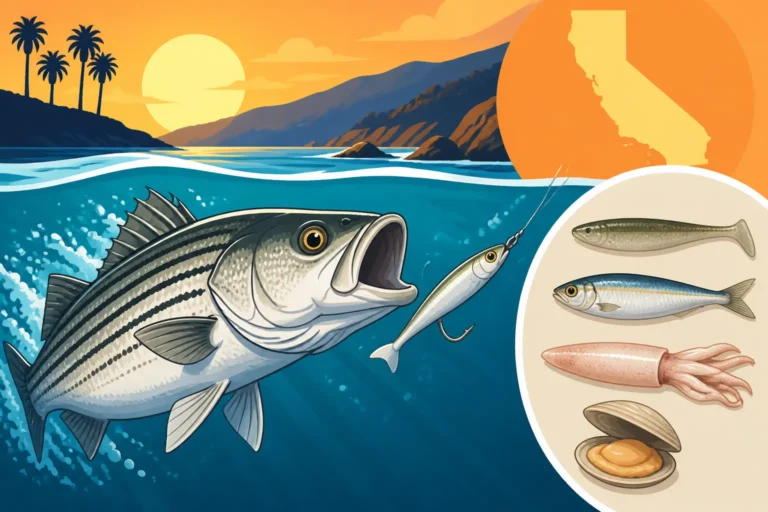
You simply won't find significant numbers of Bluefin tuna without their primary food source. These fish are voracious predators, and their movements are fundamentally tied to the availability of baitfish. In California, this primarily means anchovies, sardines, and mackerel. When schools of these baitfish are abundant and concentrated, the tuna will be right there with them, pushing them to the surface in spectacular feeding frenzies known as "boils" or "foaming."
The health of baitfish populations can fluctuate year to year, which directly impacts the Bluefin fishery. A strong anchovy bloom, for instance, can lead to an exceptional tuna season. Conversely, a scarcity of bait can make tuna much harder to locate and tempt, even if they are present in the general area. Many long-range boats will even stop to catch their own live bait, like anchovies or sardines, before heading offshore, understanding that fresh, local bait is often the most irresistible offering for these picky eaters. This crucial dependency makes understanding the bait situation as important as checking the weather.
Weather Patterns and Their Impact
Beyond water temperature and bait, the weather itself is a major player in the Bluefin game. Calm seas and clear skies, often characteristic of Southern California's summers, provide ideal conditions for tuna to feed on the surface and for anglers to spot them. However, strong winds can chop up the water, making it incredibly difficult to spot surface activity or even uncomfortable to fish. A major storm system can completely disrupt the tuna bite, scattering fish and altering oceanographic conditions for days or even weeks.
Fog, a common visitor to the California coast, can also be a significant factor. While it might calm the seas, dense fog makes spotting breaking fish or birds diving on bait nearly impossible, relying heavily on sonar and radar. Conversely, extreme heatwaves on land can sometimes correlate with warming ocean temperatures that draw tuna closer. It’s a complex interplay, and checking detailed marine forecasts is non-negotiable before planning any offshore Bluefin adventure. Just remember, a sunny day in San Diego doesn't always mean calm seas 60 miles offshore.
Prime Fishing Windows for Bluefin Tuna
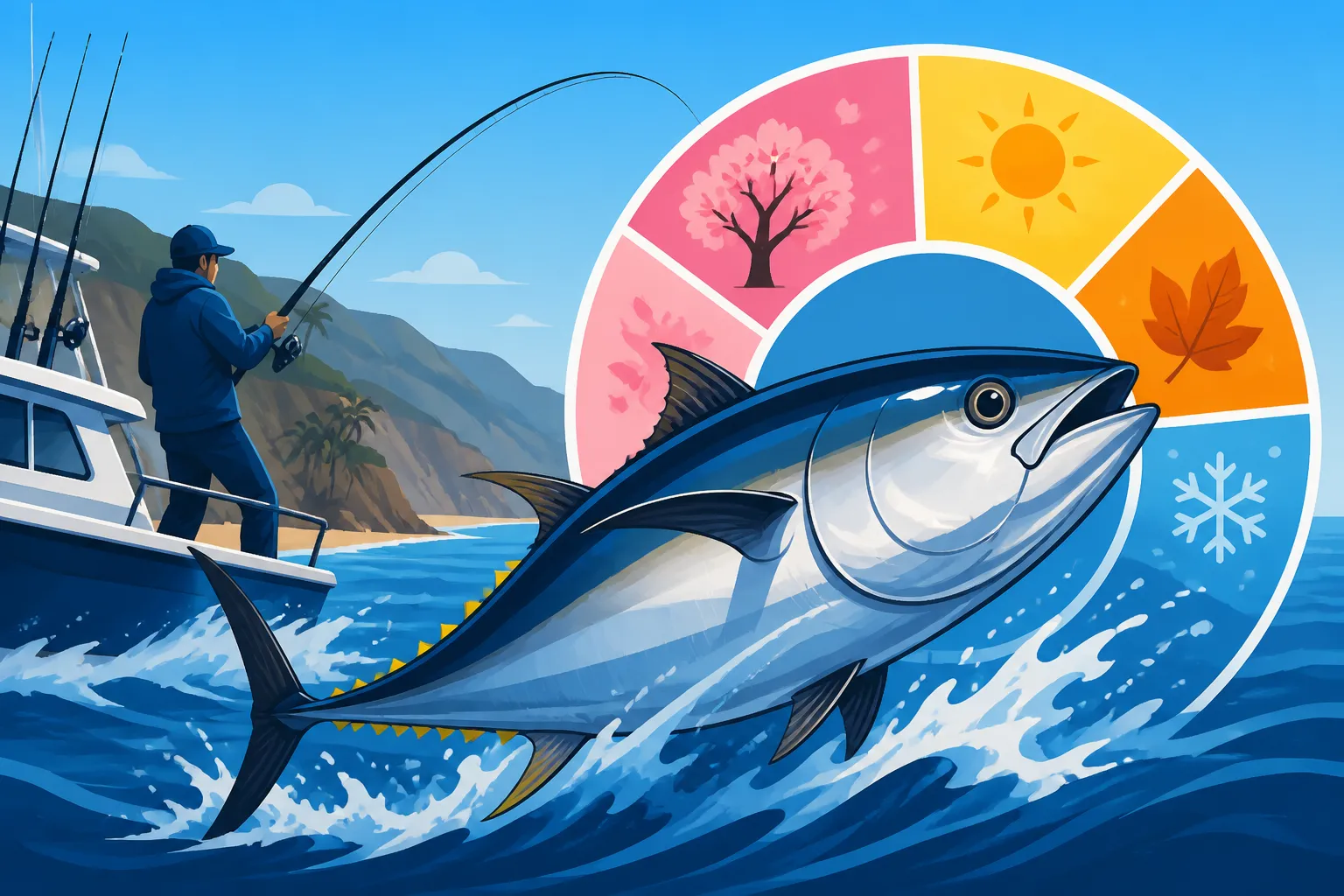
While Bluefin can pop up almost any time between spring and late fall, there are definitely periods when your chances for a successful trip soar. Understanding these prime windows isn't about setting a strict calendar date, but rather recognizing the typical progression of the season and what kind of fishing you can expect during each phase.
Early Season Prospects: May-July
The first whispers of Bluefin typically begin in May, occasionally even late April, for Southern California anglers. These early arrivals are often referred to as "footballs" — smaller fish, generally ranging from 20 to 60 pounds, that are more inclined to eat a variety of offerings. They tend to be found closer to shore, sometimes within 20-30 miles of major ports like Oceanside or Dana Point. This early season can be incredibly exciting, offering fast-paced action on relatively lighter tackle.
However, the early season can also be streaky. The fish might be here one day and gone the next, as they scout the waters and follow transient bait schools. Water temperatures are still stabilizing, and consistent patterns haven't fully set in. Anglers often employ casting jigs, surface poppers, or small live baits to target these aggressive, hungry fish. If you're looking for an opportunity to get into Bluefin without necessarily chasing the giants, and don't mind a bit of variability, the early season offers some fantastic opportunities. Just be prepared for potential lulls.
Peak Season Action: August-October
This is it. If you're talking about the "best season for Bluefin tuna in California," most veteran anglers will point directly to August, September, and October. During these months, the ocean waters off Southern California are typically at their warmest, and baitfish populations are at their peak. This is when the full breadth of the Bluefin population moves in, including the colossal "cow" tuna that can weigh in excess of 200, 300, or even 400 pounds.
The fishing can be explosive during this period. Boats from San Diego, Long Beach, and Ventura will make longer runs to prime offshore banks like the Cortez and Tanner banks, or find schools around the outer islands. Expect a mix of fishing techniques during the peak season: kite fishing with live mackerel or flying fish for the giants, slow-trolling big baits, or stopping on meter marks to drop heavy jigs. This is also when you'll see a lot of activity at night, with boats targeting Bluefin under the moon, a unique and often productive method. If your goal is to land a true trophy Bluefin, this three-month window is undeniably your strongest bet. Many anglers book their California Deep Sea Fishing Charter Guide trips months in advance specifically for this prime time.
Late Season Opportunities: November-December
Just when you think the party's over, the late season often offers a surprising encore. While the peak intensity might wane by late October, Bluefin tuna, particularly the larger models, can often stick around well into November and even December, especially if water temperatures remain favorable. This late season period is often characterized by fewer boats on the water, potentially leading to less pressured fish.
However, late season fishing also comes with its own set of challenges. Weather can become more unpredictable, with stronger fronts and colder temperatures making offshore runs less comfortable and safe. The tuna themselves might be a bit more scattered, focusing on deeper bait schools, which requires a good sonar and experienced captain to locate. Night fishing can still be very productive, and a dedicated trip, often an overnight or 1.5-day excursion, can yield incredible results for those willing to brave the cooler conditions. You might even find yourself debating a California Ocean Enhancement Stamp as part of your overall license package, though it's primarily for different species, highlighting the diverse fishing opportunities even late in the year.
Gear and Techniques for Seasonal Bluefin Success
Chasing Bluefin tuna, especially the giants California is known for, isn't a casual affair you can walk into with a trout rod. These fish are immensely powerful, and tackling them requires specialized gear and techniques tailored to their behavior and the specific conditions of the season. Getting this right is crucial, not just for catching fish, but for actually landing them after what can be an epic battle.
Heavy Tackle Setups
When you're talking about Bluefin tuna, especially the cows, "heavy" is the operative word. For the smaller "football" sized fish (20-60 lbs) in the early season, a stout 40-60 pound test setup with a quality lever-drag reel like a Shimano Talica 25 or Penn International 30 mounted on a 7-foot heavy action rod might suffice. However, as the season progresses and the truly massive tuna move in, you'll need to upgrade significantly.
For the 100-300+ pound class fish, anglers typically use 80-130 pound test outfits, often spooled with braided line and a long fluorocarbon leader. Reels like the Shimano Tiagra 50WLRSA or Penn International 80VSW, paired with a short, powerful "stand-up" rod, become the standard. These setups are designed to apply immense pressure and withstand sustained, brutal fights that can last for hours. Investing in quality gear is not just about performance; it's about durability and reliability when you have a once-in-a-lifetime fish on the line. Many anglers will purchase their top-tier fishing line, hooks, and swivels from trusted retailers on Amazon to ensure they have the exact specifications needed.
Live Bait vs. Artificial Lures
The debate between live bait and artificial lures is as old as fishing itself, and with Bluefin, both have their time and place. Live bait is often king, especially for larger, more finicky fish. Sardines, anchovies, mackerel, and even small skipjack are common live bait offerings, either slow-trolled, fly-lined, or fished under a kite. The natural movement and scent of live bait can be irresistible to Bluefin, particularly when they are keying in on specific forage.
However, artificial lures, often referred to as "iron," "poppers," or "stickbaits," can also be incredibly effective, especially when tuna are actively feeding on the surface or when fishing at night. Heavy jigs, cast into boiling schools or dropped deep on meter marks, can elicit aggressive strikes. Surface poppers, worked erratically, can trigger explosive topwater bites that are truly unforgettable. The key is matching the hatch – using lures that mimic the size and profile of the prevalent baitfish. Having a diverse selection of both live bait setups and various artificial lure options is crucial for maximizing your chances on any given Bluefin trip.
Understanding Party Boat vs. Private Charter Approaches
When planning your Bluefin assault, you'll generally have two main options: a party boat (also known as an open party or head boat) or a private charter. Each offers a different experience and approach to tackling tuna. Party boats, like those offered by H&M Landing or Fisherman's Landing, are typically larger vessels that accommodate 20-50 anglers, offering a more economical way to get offshore. They operate on a set schedule and usually provide bait and often tackle rentals. On a party boat, the crew works hard to put everyone on fish, often focusing on schools that are actively biting. You'll be fishing alongside many others, and cooperation is key, especially during a hot bite. This is a great way to learn from experienced deckhands and fellow anglers, as detailed in guides like How to Catch Tuna on a California Party Boat.
A private charter, on the other hand, gives you exclusive use of the boat and crew, usually accommodating a smaller group (4-10 people). This option is significantly more expensive but offers unparalleled flexibility. You can customize your trip duration, target specific species, or focus on particular techniques. The captain and crew's undivided attention means more personalized instruction and strategic decisions tailored to your group's preferences and skill level. Many experienced anglers opt for a private charter during peak season to maximize their chances at trophy fish, allowing them to truly dictate the game plan for the day, which is further explored in California Deep Sea Fishing Charter Guide.
| Season Phase | Typical Months | Avg. Fish Size (lbs) | Primary Techniques | Pros | Cons |
|---|---|---|---|---|---|
| Early Season | May – July | 20-60 | Live bait (sardines), casting jigs, poppers | Less crowded, good for steady action, closer to shore | More unpredictable, weather can be variable |
| Peak Season | August – Oct | 80-300+ | Kite fishing, slow trolling, deep jigging, night fishing | Best chance for trophy fish, consistent warm weather | Highly crowded, longer runs, heavier tackle required |
| Late Season | Nov – Dec | 100-300+ | Live bait (mackerel), deep jigging, night fishing | Fewer boats, often large fish still present | Unpredictable weather, shorter days, fish can be scattered |
Planning Your Bluefin Tuna Trip
Okay, so you've got the general idea of when to go. Now, let's talk about the practicalities of making that Bluefin dream a reality. Planning an offshore tuna trip isn't just about picking a date; it involves choosing the right vessel, preparing yourself, and knowing how to read the pulse of the ocean.
Choosing the Right Charter or Guide
This is arguably the most crucial decision. A great captain and crew can make all the difference, especially when Bluefin are finicky. When researching, look for boats with a strong track record specifically for Bluefin, not just general offshore fishing. Check their fish counts, read reviews, and consider what type of trip you want: a full-day, 1.5-day, or even a multi-day long-range trip. For targeting the biggest Bluefin, a 1.5-day trip out to the offshore banks is often recommended.
Don't hesitate to call the charter office and ask questions about recent catches, what tackle they recommend, and what their policies are. Some charters specialize in specific techniques, like kite fishing for giants, while others might focus on run-and-gun casting. Aligning your expectations with the charter's expertise is vital. You can find excellent resources on this, such as How to Choose a California Fishing Guide or specific guides like Best Fishing Charters in San Diego. Remember, a good guide isn't just about finding fish; it's about ensuring a safe, enjoyable, and productive experience.
Essential Packing for a Tuna Trip
An offshore Bluefin trip is an all-day (or even multi-day) commitment, and being unprepared can quickly turn an exciting adventure into a miserable experience. Here's a breakdown of what you should absolutely bring:
- Fishing License: This is non-negotiable. Make sure you have a valid California sport fishing license. You can find comprehensive information on how to obtain one in the California Fishing License Guide.
- Warm Layers: Even on a hot summer day, it can be surprisingly cold and windy offshore, especially in the early morning or late evening. Layers are key. Think thermal underwear, fleece, and a waterproof/windproof outer shell.
- Sun Protection: Sunglasses, wide-brimmed hat, neck gaiter, and high-SPF sunscreen are essential. The sun's reflection off the water can be intense.
- Food & Drinks: Pack plenty of snacks, sandwiches, and non-alcoholic beverages. Hydration is crucial, especially on long trips.
- Medication for Seasickness: If you're prone to motion sickness, take preventative measures before you get on the boat. Patches, pills, or wristbands can make a huge difference. Detailed advice can be found in How Seasickness Works on California Offshore Trips.
- Tackle & Gear: While many party boats offer rentals, serious anglers bring their own. This includes heavy-duty rods and reels, a variety of line (braid, fluorocarbon leaders), hooks, and lures. A good pair of fishing pliers and a small tackle bag are indispensable. You might want to stock up on some of these specialized items on Amazon before your trip.
- Cooler (with ice): For your drinks, and hopefully, for your catch!
- Cash for Gratuities: Tipping the deckhands is customary and appreciated.
Thinking through every detail can make your trip much more comfortable and successful.
Reading Fishing Reports and Forecasts
In the world of Bluefin fishing, current information is gold. The best captains are constantly monitoring conditions, and reliable fishing reports are your window into what's happening out on the water. Websites like BD Outdoors, local sportfishing landings' blogs, and even social media groups dedicated to California fishing are excellent sources. Pay attention to details like water temperature, bait schools observed, specific banks or areas being fished, and the size and number of fish caught.
However, a word of caution: reports can be biased or outdated. A "hot bite" from yesterday might be completely cold today due to shifting conditions. Always cross-reference reports and consider them in conjunction with marine weather forecasts. Look at sea surface temperature charts, chlorophyll maps, and current predictions (often available through specialized fishing apps or websites) to get a comprehensive picture. A good plan always remains flexible, ready to adapt to what the ocean throws your way. This is a topic thoroughly covered in how to make the most of California Fishing Seasons: Month-by-Month Guide.
Seasonal Challenges and How to Overcome Them
Fishing for Bluefin tuna is never easy, and each part of the season brings its own set of hurdles. From the unpredictable temperament of the fish to crowded waters and ever-present regulations, successful Bluefin anglers are those who anticipate these challenges and prepare to overcome them.
Dealing with Variable Conditions
The Pacific Ocean off California is a vast and dynamic environment. One day can be glass-calm and sun-drenched; the next might bring strong winds, choppy seas, or dense fog. These variable conditions directly impact fishing success and angler comfort. In the early and late season, unpredictable weather fronts are more common, making careful weather monitoring critical. Even in peak summer, an offshore breeze can pick up quickly.
Strategies for Success:
- Flexibility is Key: If possible, try to book trips with some flexibility, allowing you to reschedule if a major storm rolls in.
- Dress for Anything: Always pack layers. A waterproof outer shell is your best friend.
- Communication with Captain: Talk to your captain about the expected conditions. They might have insights into calmer areas or protected waters if the weather turns.
- Seasickness Prevention: Don't wait until you're sick. Take medication proactively. A good night's sleep and light breakfast can also help.
Being prepared for varying conditions, both physically and mentally, will significantly enhance your experience and your chances of staying focused on the fishing, even when things get rough.
Navigating Crowded Waters
When the Bluefin bite is hot, especially during peak season, it can feel like half of Southern California's fishing fleet is out there. Crowded waters, particularly around well-known spots like the Cortez Bank or San Clemente Island, are a common challenge. This means more competition for fish, more boat traffic, and sometimes, less considerate behavior from other anglers. It can be frustrating to see another boat cut off your drift or spook a school of fish you've been working.
Strategies for Success:
- Choose Mid-Week Trips: If your schedule allows, fishing on weekdays will almost always be less crowded than weekends.
- Consider Private Charters: As mentioned, private charters offer more flexibility and often allow captains to seek out less-pressured areas.
- Practice Good Etiquette: Be a part of the solution, not the problem. Maintain a safe distance from other boats, don't cut off their drifts, and communicate clearly. The fishing community thrives on respect.
- Listen to Your Captain: Experienced captains know how to navigate crowded situations and find opportunities where others might not. Trust their judgment on where to position the boat.
- Early Bird Gets the Worm: Sometimes, leaving extra early can get you to a spot before the main fleet arrives. This also pertains to booking your California Fishing Charters: Complete Guide well in advance.
Respecting Regulations and Limits
California's fishing regulations are designed to protect fish populations and ensure sustainable fishing for future generations. For Bluefin tuna, these regulations typically include bag limits, size limits, and sometimes specific gear restrictions. These rules can change annually, so it's absolutely crucial to stay up-to-date with the latest guidelines published by the California Department of Fish and Wildlife (CDFW). You can find comprehensive details in the California Fishing Regulations Explained guide.
Strategies for Success:
- Obtain a Valid License: Always have your current California sport fishing license. No exceptions.
- Understand the Rules: Before your trip, familiarize yourself with the current Bluefin tuna bag limits and any special regulations that might apply. Your charter captain and deckhands will also be experts on this.
- Measure and Count Carefully: If you land a fish, immediately measure it (if applicable) and keep track of your bag limit. It's easy to lose count in the excitement of a hot bite.
- Proper Release Techniques: If you catch a fish you don't intend to keep (either because it's undersized, over your limit, or you simply want to release it), understand proper catch-and-release techniques to maximize its survival rate.
Failing to adhere to regulations can result in hefty fines and penalties, and it undermines conservation efforts. Being a responsible angler is part of the sport.
Disclaimer
Fishing involves inherent risks, including but not limited to adverse weather conditions, marine life encounters, and equipment malfunction. The information provided in this guide is for informational purposes only and should not be considered a substitute for professional advice or strict adherence to all local, state, and federal fishing regulations. Always prioritize safety, check current weather forecasts, and ensure you have the necessary licenses and permits before engaging in any fishing activity.