How to Fish for Yellowtail in California
There's nothing quite like the electrifying pull of a California yellowtail on the end of your line. These powerful, fast-swimming jacks are a true prize for any angler, but they certainly don't give themselves up easily. If you've ever felt the frustration of missing a strike or having a hook pull, or just want to increase your chances of landing these prized "forktails," you've come to the right place. This guide is all about equipping you with the knowledge, gear, and techniques to successfully target yellowtail in the diverse waters of California.
Understanding California Yellowtail: The "Forktail" Thrill
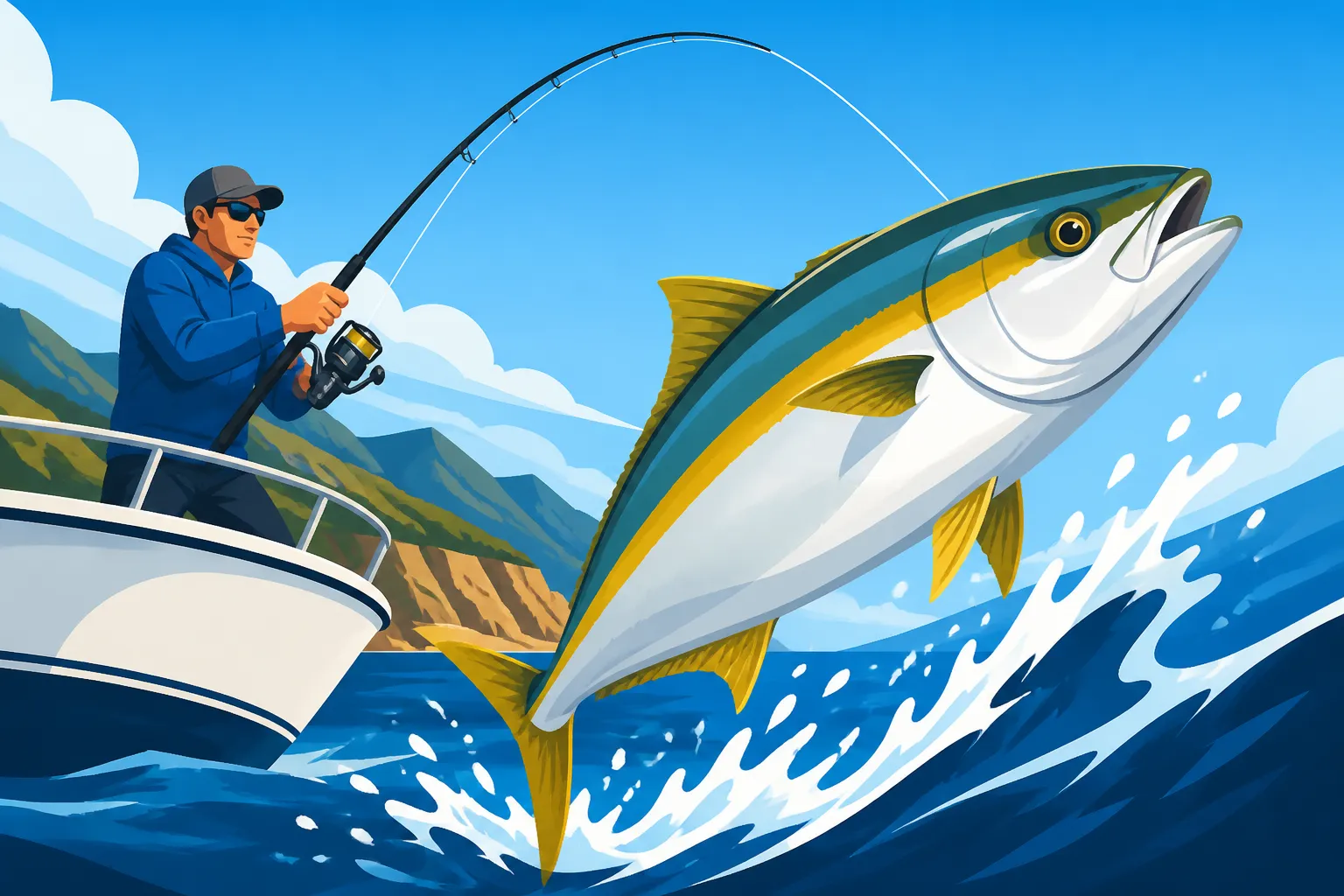
Yellowtail, often affectionately called "forktails" by seasoned anglers due to their distinctively shaped caudal fin, are one of California's most sought-after game fish. They're known for their incredible speed, powerful runs, and relentless fight, making every hook-up an adrenaline-pumping experience. To effectively target them, it's crucial to understand their natural habits, preferred environments, and seasonal movements.
Yellowtail Biology and Behavior
These magnificent fish, specifically the California yellowtail (Seriola lalandi dorsalis), are members of the jack family. They are highly predatory, opportunistic feeders, and their diet primarily consists of smaller baitfish like anchovies, sardines, and mackerel, along with squid and even small crustaceans. Their torpedo-shaped bodies and deeply forked tails are built for speed, allowing them to chase down prey with incredible bursts. You'll often find them schooling in open water, but they are equally at home ambushing bait around submerged structures, kelp paddies, or rocky reefs.
Yellowtail are incredibly perceptive, making them a challenging quarry. They have excellent eyesight and are sensitive to vibrations, which means stealth and proper presentation of your bait or lure are paramount. When they decide to feed, they can be aggressive, creating boils on the surface as they chase baitfish. However, they can also be notoriously finicky, inspecting offerings closely before committing. Their migratory patterns are heavily influenced by water temperature, often moving into California's warmer coastal waters during the spring and summer months as they follow bait schools.
Where and When to Find Them
In California, yellowtail are predominantly found in the warmer, southern half of the state, though their range can extend north during exceptionally warm water years. The prime hunting grounds for these hard-fighting fish are typically from Santa Barbara down to the Mexican border, including offshore islands and banks. Iconic spots include the Coronado Islands just south of San Diego, Santa Catalina Island, San Clemente Island, and various offshore high spots like the Cortez Bank and Tanner Bank. You’ll often find them congregating around these islands and offshore structures, particularly near healthy kelp beds or floating kelp paddies that provide shelter and food for baitfish.
The best time to target yellowtail in California generally spans from late spring through fall, roughly April to October, when water temperatures are consistently in their preferred range (typically 60-70°F). However, the exact timing and abundance can fluctuate significantly year to year, depending on ocean conditions like El Niño or La Niña cycles. During colder months, they might move to deeper water or further south, but savvy anglers can still find resident populations or stragglers. Keeping an eye on local fishing reports and understanding Best Season for Yellowtail in California is key to planning a successful trip. For those exploring the San Diego area, a good starting point for finding charters and reports would be the San Diego Fishing Guide.
Essential Gear for Yellowtail Fishing
When you're chasing yellowtail, your gear needs to be up to the task. These fish are powerful, and a weak link in your setup can quickly lead to a heartbreaking loss. Investing in quality equipment is not just about catching more fish; it's about enjoying the fight and having the confidence that your tackle can withstand the raw power of a hooked yellowtail.
Rods, Reels, and Line
For yellowtail, you'll want a setup that offers a balance of power, sensitivity, and casting ability.
- Rods: A medium-heavy to heavy action rod, typically 7 to 8.5 feet in length, is ideal. For casting jigs and live bait, a fast-action tip will help with casting distance and detecting subtle bites, while a strong backbone is crucial for turning a powerful fish. Graphite composite rods are popular for their strength-to-weight ratio. Consider brands like Phenix, Calstar, or Seeker, many of which can be found on Amazon.
- Reels: High-quality reels with smooth, powerful drags and sufficient line capacity are non-negotiable.
- Conventional Reels: For jigging and deep-water bait fishing, conventional reels in the 2-speed 15-20 size (e.g., Shimano Talica 16II, Penn Fathom 40NLD2, or Daiwa Lexa 400 series) are excellent. They offer immense cranking power and durable drag systems.
- Spinning Reels: For casting lighter jigs or surface iron, and for fly-lining small baits, heavy-duty spinning reels in the 8000-14000 size range (e.g., Shimano Stella, Penn Spinfisher, or Daiwa Saltiga) are preferred. Look for models with high retrieve rates and sealed drags to handle saltwater conditions. You can often find great deals on these items on Amazon.
- Line: Your main line should be braided, typically 50 to 80 lb test, for its strength, lack of stretch, and thin diameter. Always use a fluorocarbon leader of 30 to 60 lb test, matched to the main line, for its invisibility and abrasion resistance. The leader length can vary from 3 to 15 feet depending on water clarity and fishing technique. This setup gives you the sensitivity to feel bites and the stopping power to control a surging yellowtail.
Lures and Baits of Choice
Yellowtail are opportunistic predators, and a variety of offerings can entice them. The key is often to "match the hatch" – use baits or lures that mimic what they're naturally feeding on.
- Live Bait: This is often the most effective method, especially for finicky fish.
- Sardines and Mackerel: These are premium yellowtail baits. Hook them through the nose or collar for fly-lining, or through the tail for slow-trolling. The livelier the bait, the better. Knowing How to Fly-Line Sardines for Yellowtail is a game-changer.
- Anchovies: Smaller but still effective, especially when yellowtail are keying in on smaller forage.
- Squid: Can be deadly when yellowtail are feeding on cephalopods, often fished on a dropper loop or with a leadhead.
- Artificial Lures: When fish are aggressive, lures can be incredibly effective and offer a thrilling visual strike.
- Surface Iron (Jig): These metal jigs (e.g., Tady, Salas, Shimano Butterfly Flat-Fall) are cast far and retrieved quickly, mimicking fleeing baitfish on the surface. They come in various weights and colors like blue/white, green/yellow, and dorado. Mastering How to Yo-Yo Jig for Yellowtail is also essential for deeper presentations.
- Yo-Yo Jigs: Heavier, denser metal jigs designed for vertical jigging when fish are holding deeper or when you're targeting them off the bottom.
- Swimbaits: Soft plastic swimbaits rigged on heavy leadheads (e.g., MC Swimbaits, Big Hammer) can be incredibly effective when retrieved through kelp or around structure.
- Poppers and Stickbaits: Topwater lures can provoke explosive strikes when yellowtail are feeding aggressively on the surface.
Terminal Tackle and Accessories
Don't overlook the small but critical components of your setup. They can make or break your day.
- Hooks: Use strong, sharp, high-quality hooks appropriate for the size of your bait and the target fish. Sizes range from 1/0 to 5/0 for live bait, depending on bait size, and larger for chunk bait or heavy lures. Brands like Gamakatsu, Owner, and Mustad offer excellent options.
- Swivels: Heavy-duty barrel or ball-bearing swivels (80-100 lb test) are essential to prevent line twist, especially when using live bait or spinning reels.
- Leader Material: As mentioned, fluorocarbon leader is a must. Carry various strengths to adjust to conditions.
- Weight: Split shots or egg sinkers (1/4 oz to 2 oz) may be needed to get live bait deeper or to hold bottom in current.
- Gaff or Net: A sturdy gaff or a large, strong landing net is crucial for safely landing a thrashing yellowtail at the boat. Never try to hand-line a yellowtail onto the boat; they are too powerful and can cause injury.
- Pliers and Line Cutters: Essential for hook removal and leader adjustments.
- Cooler: A good quality cooler is not just for your lunch; it's vital for keeping live bait fresh and active, and for preserving your catch on the way home. Many anglers also bring a live bait tube to keep individual baits lively.
Proven Techniques for Catching California Yellowtail
Yellowtail fishing isn't just about having the right gear; it's about knowing how to use it effectively. These fish are smart and wary, so mastering a few key techniques will significantly improve your success rate.
Live Bait Techniques
When yellowtail are present but not actively boiling on the surface, live bait is often your best bet. The natural movement and scent of a lively baitfish are hard for a predatory yellowtail to resist.
- Fly-Lining: This is arguably the most popular and effective method. You simply nose-hook a lively sardine or mackerel (or thread it through the eye sockets if allowed) and cast it out with minimal or no weight. The goal is to let the bait swim naturally away from the boat, mimicking a lone, vulnerable fish. Pay close attention to your line; a sudden burst of speed or a sideways pull indicates a yellowtail has grabbed it. Give the fish a moment to eat the bait before slowly closing the bail and setting the hook firmly. This technique requires patience and a good feel for what your bait is doing. For more detailed instructions, see How to Fly-Line Sardines for Yellowtail.
- Slow-Trolling: When covering larger areas or searching for dispersed schools, slow-trolling live bait can be very effective. Use a nose-hooked sardine or mackerel, perhaps with a small egg sinker above a swivel to get it a bit deeper. Troll at very slow speeds, just enough to keep the bait swimming naturally behind the boat. This works particularly well around kelp lines or offshore banks. The key is to present the bait in a way that looks effortless and natural, drawing attention without scaring off wary fish.
- Dropper Loop Rig: When yellowtail are holding deeper, perhaps near the bottom or around submerged structure, a dropper loop rig with a weight can get your live bait down to their depth. Tie a loop for your hook (usually a 2/0 to 4/0 circle hook) about 18-36 inches above a weight (e.g., 2-4 oz torpedo sinker) at the end of your leader. This allows the bait to swim freely slightly above the bottom, keeping it visible and away from snags, while the weight ensures it stays in the strike zone. This is a common setup for targeting yellowtail on known deep spots or when currents are strong.
Jigging and Artificials
There's a special thrill that comes from tricking a yellowtail with a piece of metal or plastic. Artificials shine when yellowtail are actively feeding, especially when they're chasing larger baitfish or are schooled up tight.
- Yo-Yo Jigging: When yellowtail are marked on sonar holding deep (e.g., 100-200 feet), a heavy "yo-yo" jig is the ticket. Drop the jig rapidly to the desired depth, then retrieve it as fast as you can, often with a sweeping motion, without pausing. The idea is to make the jig look like a frantic, fleeing baitfish. The strike often comes as you start your retrieve or during a brief pause. This technique is physically demanding but incredibly rewarding when you connect with a powerful fish. Refer to How to Yo-Yo Jig for Yellowtail for advanced tips. Popular yo-yo jigs include the Salas 6X and Tady 4/0.
- Surface Iron Casting: When yellowtail are boiling on the surface, chasing bait, or when you see kelp paddies holding fish, casting a surface iron jig is electrifying. Use a long casting rod and a fast retrieve conventional or spinning reel. Cast the light, aerodynamic metal jig as far as possible past the action, then crank it back rapidly, keeping the rod tip up. The jig should skip and dart across the surface like an injured baitfish. Strikes are often explosive and visual. Color choices vary, but blue/white and green/yellow are perennial favorites.
- Swimbait Fishing: Soft plastic swimbaits rigged on leadheads are excellent for working around kelp, structure, or when yellowtail are holding just below the surface. Cast the swimbait out and retrieve it with a steady, moderate pace, adding an occasional twitch of the rod tip to give it an erratic action. The paddle tail of the swimbait creates a natural swimming motion that can be irresistible. Adjust the weight of your leadhead to control the depth and retrieve speed. Popular brands include Big Hammer and MC Swimbaits.
Reading the Water and Spotting Signs
Catching yellowtail isn't just about technique; it's about observation and understanding the ocean. Knowing how to read the water can put you right on top of the fish.
- Bird Activity: Look for diving birds, especially terns and pelicans. They often indicate baitfish schools, and where there's bait, there are usually predators like yellowtail. A group of birds working a specific area is a huge clue.
- Bait Balls: Keep an eye out for dark masses of baitfish on your sonar or visually on the surface. Yellowtail will often corral these baitfish, making them easy targets. Sometimes, you'll see "nervous water" or subtle ripples where bait is being pushed up.
- Kelp Patties and Structure: Floating kelp paddies act as mobile ecosystems, providing shelter and food for small baitfish, which in turn attract yellowtail. Always investigate these. Similarly, submerged reefs, pinnacles, and other structures concentrate bait and provide ambush points for yellowtail. Your boat's sonar or fishfinder is invaluable here.
- Water Temperature and Color: Yellowtail prefer warmer, cleaner water. Look for temperature breaks or distinct changes in water color, as these can indicate upwellings or current lines that concentrate bait. A thermometer can be a valuable tool on the boat.
- Current Lines and Eddies: Areas where currents converge or create eddies can concentrate baitfish and nutrients, making them prime feeding grounds for yellowtail. Observing the water's surface for these subtle signs can lead you to productive spots.
Important Considerations and Tips
Beyond the gear and techniques, there are several practical aspects that can significantly impact your yellowtail fishing experience. From the moment you hook a fish to ensuring you're fishing responsibly, these considerations are crucial for a successful and enjoyable trip.
Fighting and Landing Yellowtail
Hooking a yellowtail is one thing; landing it is another. These fish are renowned for their powerful, stubborn runs, and they will test your tackle and your stamina.
- Initial Run: When a yellowtail strikes, especially a larger one, it will often make a scorching initial run, peeling line off your reel. Resist the urge to crank down too hard on the drag initially. Let the fish run, maintaining steady pressure, and let your drag do its job. A sudden increase in drag can snap your line or pull the hook.
- Pumping and Reeling: Once the initial run subsides, it's time to "pump and reel." This involves lifting the rod tip to gain line, then quickly lowering it while reeling to take up the slack. Repeat this motion steadily. Avoid just cranking against a locked drag; you'll exhaust yourself and put unnecessary strain on your gear. Keep the rod tip pointed towards the sky (or at least above horizontal) to absorb the shock of any sudden head shakes or short runs.
- Steering the Fish: Yellowtail will often try to "reef" you – swim into kelp or rocky structure to cut your line. As the fish gets closer, try to steer its head away from danger. This is where a strong rod backbone and precise drag control become critical.
- The Landing: As the yellowtail approaches the boat, prepare for its final bursts of energy. This is where many fish are lost. Have your gaff or net ready. If using a gaff, aim for the head or shoulders, making a clean, decisive strike. If using a net, guide the fish headfirst into the net. Once the fish is on board, secure it quickly and safely. Never try to grab a green (unspent) yellowtail by hand – their powerful tail can easily break bones or knock you off balance.
Regulations and Conservation
As responsible anglers, it's our duty to understand and adhere to all fishing regulations. These rules are in place to ensure the health and sustainability of our precious fisheries. The California Department of Fish and Wildlife (CDFW) sets specific regulations for yellowtail, which can change seasonally or annually.
- California Fishing License: First and foremost, you'll need a valid California fishing license. You can find all the details you need in our comprehensive California Fishing License Guide. Remember that specific stamps, like the California Ocean Enhancement Stamp, may also be required for certain ocean fishing activities.
- Bag and Size Limits: Yellowtail are subject to daily bag limits (the number of fish you can keep per day) and minimum size limits (the smallest fish you can legally retain). These limits can vary by region and time of year, so always check the latest regulations. For instance, while this article focuses on yellowtail, understanding limits for other species like California Halibut Size and Bag Limits can give you context for how these regulations are structured.
- Season Dates: While yellowtail are generally available for a large part of the year in Southern California, specific seasons or closures might apply in certain areas or for particular management concerns. Always consult the official CDFW regulations booklet or website before you head out. These details are usually covered within broader guides like California Fishing Regulations Explained or California Fishing Seasons: Month-by-Month Guide.
- Report Cards: While not always required for yellowtail, it's good practice to be aware of other species that might require a report card, such as sturgeon or salmon, to help with fishery management.
- Ethical Angling: Practice catch-and-release responsibly if you're not keeping your catch. Handle fish gently, minimize their time out of water, and use appropriate dehooking tools. Avoid high-grading (releasing a smaller legal fish to replace it with a larger one) if prohibited by regulations. Being a good steward of the ocean ensures that future generations can enjoy the same thrilling experiences we do. When fishing from a California Fishing Charters: Complete Guide or party boat, the crew will typically be very knowledgeable about current regulations.
Gear and Technique Summary Table
To help you quickly reference the essentials for yellowtail fishing in California, here's a handy table summarizing key gear and techniques:
| Category | Item/Technique | Key Specifications/Notes | Best Use Case |
|---|---|---|---|
| Rods | Casting/Jigging Rod | 7-8.5 ft, Medium-Heavy to Heavy action, fast tip, strong backbone | Live bait, jigs, swimbaits. |
| Spinning Rod | 7-8.5 ft, Medium-Heavy to Heavy action, fast tip | Lighter jigs, surface iron, fly-lining small baits. | |
| Reels | Conventional Reel | 15-20 size (e.g., Penn Fathom), 2-speed, strong/smooth drag, high capacity. | Jigging, deep water bait. |
| Spinning Reel | 8000-14000 size (e.g., Shimano Stella), high retrieve, sealed drag, high capacity. | Surface iron, fly-lining. | |
| Line | Main Line | 50-80 lb Braided line | Strength, no stretch, thin diameter. |
| Leader | 30-60 lb Fluorocarbon (3-15 ft length) | Stealth, abrasion resistance. | |
| Baits | Live Sardines | Nose-hooked, lively. | Fly-lining, slow-trolling. Most effective for wary fish. |
| Live Mackerel | Nose or collar-hooked, lively. | Fly-lining, slow-trolling. Larger bait for larger fish. | |
| Lures | Surface Iron (Jig) | Metal jig (Tady, Salas), blue/white, green/yellow. Fast retrieve. | Aggressive surface feeders, kelp paddies. |
| Yo-Yo Jig | Heavy metal jig (Salas 6X), various colors. Fast, deep retrieve. | Deep-holding fish, marking on sonar. | |
| Swimbait | Soft plastic on leadhead (MC Swimbaits), natural colors. Steady retrieve. | Kelp lines, structure, subsurface. | |
| Terminal Tackle | Hooks | 1/0-5/0 circle or J-hooks, strong, sharp. | Live bait, chunk bait. |
| Swivels | 80-100 lb Barrel or Ball-Bearing. | Prevent line twist. | |
| Weights | 1/4 oz – 2 oz Split shot or egg sinkers. | Get bait deeper, hold bottom. | |
| Accessories | Gaff/Net | Sturdy gaff or large, strong landing net. | Safe landing of fish. |
| Cooler | High-quality for bait and catch. | Preserve bait freshness and catch quality. |
Disclaimer
The information provided in this guide is for general informational purposes only. Fishing regulations in California, including those for yellowtail, can change frequently. It is the responsibility of every angler to consult the latest official regulations from the California Department of Fish and Wildlife (CDFW) before engaging in any fishing activity. Always prioritize safety on the water.