How to Fish for Kokanee in California
Ah, the elusive Kokanee Salmon! If you've ever spent a beautiful day out on a California lake, scanning the depths, and wondering why those finicky silver bullets aren't biting, you're not alone. Catching Kokanee can feel like trying to solve a complex puzzle sometimes, with their preference for specific depths, lures, and even colors changing by the hour. This guide is here to untangle that puzzle for you, diving deep into the art and science of how to consistently hook into these delicious, feisty freshwater salmon in California.
Understanding California's Kokanee Salmon
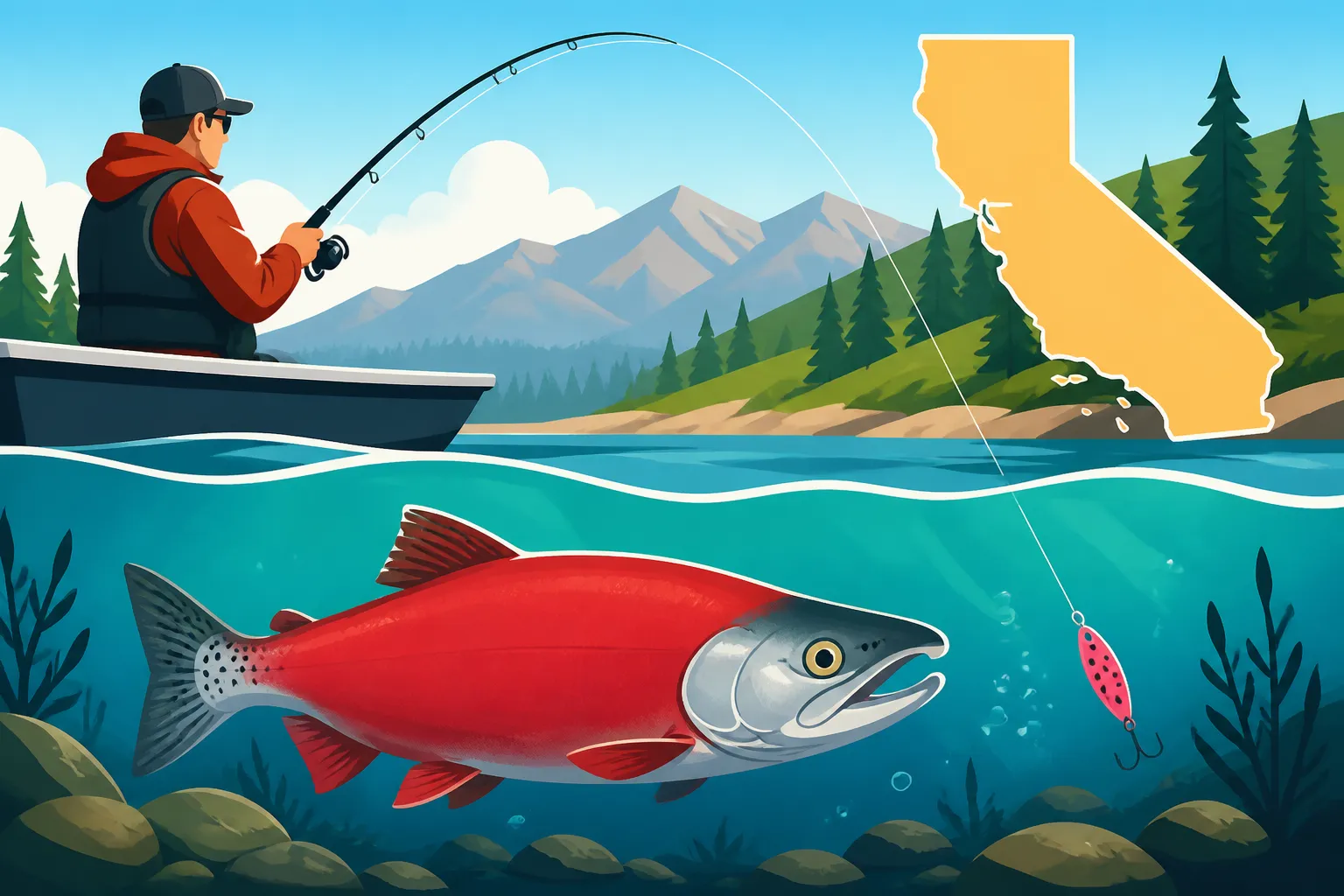
Kokanee salmon are truly a special fish here in California, and honestly, across the West. They’re landlocked sockeye salmon, which means they spend their entire lives in freshwater lakes rather than heading out to the ocean like their anadromous relatives. This unique lifestyle makes them a fascinating target for anglers, but also a challenging one, as their behavior is highly dictated by the freshwater environment.
What Makes Kokanee Unique?
First off, let's talk about their appearance and behavior. Kokanee typically sport a beautiful silver color with hints of blue or green on their backs when they're actively feeding. But come spawning season, usually late summer or fall, they undergo a dramatic transformation. Males develop that iconic humped back and hooked jaw (kype), and both sexes turn a brilliant, fiery red. It's truly a sight to behold, though they aren't typically targeted during this time.
Their diet is another key to understanding them. Kokanee are primarily plankton eaters. This means they're constantly cruising open water, filtering microscopic organisms. This preference for tiny food translates directly into the tackle we use—small lures, often tipped with something tiny and scented, mimic their natural food sources. They're not chasing big minnows like a bass; they're sipping. This is why they can be incredibly frustrating if you're not dialed into their preferences. They're known for their light bite, often just a subtle tap, which can be easily missed if you're not paying close attention.
Where to Find Them: Key California Lakes
California is blessed with some fantastic Kokanee fisheries, each with its own unique characteristics. Knowing which lakes hold a healthy population is the first step to success. These fish love deep, cold, clear water, so you’ll often find them in our larger, colder reservoirs and natural lakes.
One of the absolute jewels for Kokanee fishing is Lake Tahoe Fishing Guide. It's a vast, deep lake where Kokanee thrive, often growing to impressive sizes. Further north, Stampede Reservoir near Truckee is another legendary spot, known for producing some truly massive Kokanee, especially in the early season. Down in the Central Valley foothills, you've got excellent opportunities at destinations like New Melones Lake: Fish Species and Best Spots, where the fish might not always be giant, but they're plentiful. Folsom Lake Fishing Guide is another popular choice, particularly for anglers in the Sacramento area, offering consistent action when conditions are right. Pardee Reservoir, though requiring a different approach due to specific regulations (no private boats), is also a renowned Kokanee producer, especially for bank anglers or those using rental boats. Shasta Lake, while more famous for bass and trout, also has a decent Kokanee population.
Each of these lakes will have slightly different nuances in terms of prime fishing depths, color preferences, and seasonal peaks, but they all share that essential characteristic of cold, clean water that Kokanee adore.
Seasonal Behavior Patterns
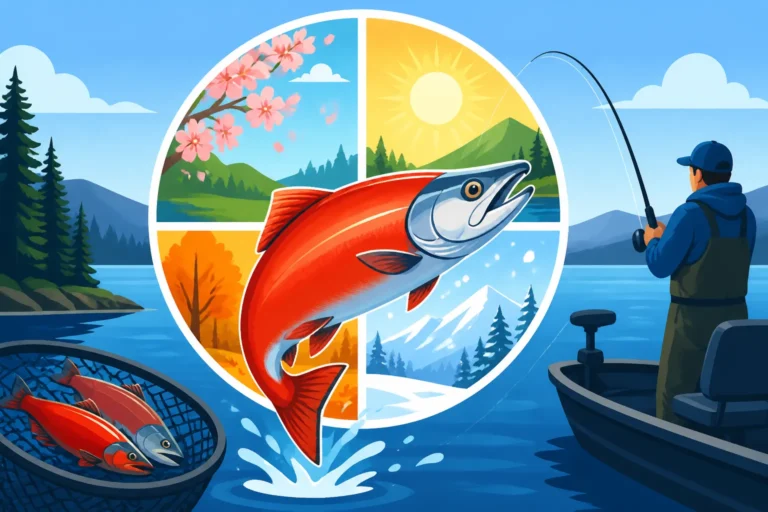
The time of year you go Kokanee fishing dramatically influences where you'll find them and how they'll behave. Understanding these seasonal shifts is critical for success.
- Spring (March – May): As the ice (if any) thaws and water temperatures begin to rise slightly, Kokanee start to become more active. They'll generally be found shallower than in the summer, often in the top 20-40 feet of the water column, especially early in the morning or on overcast days. This is a great time to troll at slightly slower speeds, using smaller, subtle lures. They're recovering from winter and building energy, so they're looking for an easy meal.
- Summer (June – August): This is prime Kokanee season for many anglers, especially as the fish grow larger. As surface waters warm, Kokanee will dive deeper, seeking out the cooler water they prefer. You'll often find them suspended in the thermocline—the layer where warm surface water meets cold deep water—typically between 40 to 100 feet deep, sometimes even deeper. This is when downriggers become absolutely essential. The fish are very active, but also tend to be highly concentrated, making schools easier to locate with a fish finder. Check out California Fishing in Summer for more tips on angling during these months.
- Fall (September – November): This is the "trophy" season for many, but also the beginning of the end for the fish. Kokanee begin to mature and prepare for spawning. They'll start to change color, develop their spawning characteristics, and become more aggressive as they near their final journey. They'll also begin to move shallower as the lake water cools, often migrating towards tributary streams or gravel beds within the lake. While you can catch very large, beautiful red fish, they are primarily focused on spawning and their flesh quality begins to degrade. Many anglers practice catch and release for these magnificent, spent fish. You can find more details in California Fishing in Fall.
- Winter (December – February): For many lakes, especially those in higher elevations, winter fishing for Kokanee can be challenging due to cold weather or even ice cover. If a lake remains accessible and ice-free, Kokanee will be deep and lethargic. Slower presentations and even deeper depths are typically required. Ice fishing, where permitted, can also be a unique way to target them.
Understanding California Fishing Seasons: Month-by-Month Guide really helps put this all into perspective.
Essential Gear for Kokanee Anglers
When it comes to Kokanee fishing, having the right gear isn't just a suggestion; it's often the difference between a frustrating day and a fantastic one. These fish are particular, and your setup needs to reflect that.
Rods, Reels, and Line
For Kokanee, think light. We're talking about a sensitive bite and a fish that, while a strong fighter, can tear off if you're too heavy-handed.
- Rods: A good Kokanee rod will be 7 to 8.5 feet long with a light to medium-light action and a very forgiving, moderate-fast taper. The sensitive tip is crucial for detecting those subtle bites, while the moderate action helps absorb the shock of a thrashing fish, preventing hooks from pulling out. Many brands offer dedicated Kokanee rods, and you can often find a great selection of high-quality, sensitive rods on platforms like Amazon.
- Reels: A small, lightweight spinning reel (size 1000-2500) or a small, low-profile baitcasting reel designed for light line is ideal. You don't need massive line capacity, but a smooth drag system is non-negotiable. Kokanee are notorious for their sudden, powerful runs, and a sticky drag will lead to heartbreak.
- Line: This is where things get really specific. Most seasoned Kokanee anglers spool their reels with 8-10 lb braided main line. The no-stretch property of braid transmits even the slightest bite directly to your hand, which is a huge advantage. Below your braid, you'll want to use a long (often 20-30 feet) leader of 6-8 lb fluorocarbon. Fluorocarbon is nearly invisible underwater, which is key for these clear-water, sight-feeding fish. Its low stretch also helps maintain sensitivity. Never skimp on leader quality; it's your direct connection to the fish.
Lures, Baits, and Scent
This is the fun part, and where the "art" of Kokanee fishing truly comes alive! Kokanee are attracted by flash, vibration, and scent.
- Flasher/Dodger Setups: These are the backbone of most Kokanee trolling rigs. Flashers (like the popular Pro-Troll or Shasta Tackle "Koke-A-Nut" models) or dodgers (like a Dick Nite or Sep's Pro Fishing dodger) create a lot of action and flash, mimicking a school of baitfish and drawing Kokanee in from a distance. The dodger's erratic side-to-side motion also imparts action to your trailing lure. Generally, you want a 4 to 6-inch dodger or flasher. The color can be critical, with pink, orange, chartreuse, and silver being perennial favorites.
- Trailing Lures (Hoochies & Spoons): Behind your dodger or flasher, you'll attach a small lure, typically on a leader of 8 to 24 inches.
- Hoochies (Squid Skirts): These are small, soft plastic squid-like lures, usually 1.5 to 2.5 inches long. They come in an endless array of colors and patterns. Pink, orange, green, and combinations are classic Kokanee colors. The dodger makes the hoochie dance enticingly.
- Small Spoons: Tiny trolling spoons, like those from Rocky Mountain Tackle, Vance's Tackle, or the classic Apex Tackle Kokanee Killer, are also incredibly effective. They have their own wiggle and flash, and many anglers swear by them.
- Plugs: Small, specialized Kokanee plugs, often brightly colored, can also be deadly.
- Bait & Scent: This is arguably the most critical element. Kokanee are notoriously picky, and scent makes all the difference. The go-to bait is shoepeg corn. Yes, plain old canned corn! It's firm, stays on the hook well, and for some reason, Kokanee absolutely love it. You'll thread 2-4 kernels onto one of the hooks of your treble or tandem hook setup. But here's the kicker: the corn must be heavily scented. Popular scents include Krill, Garlic, Anise, Bloody Tuna, and Kokanee-specific formulas from brands like Pautzke Bait. You can buy pre-scented corn, or simply soak regular shoepeg corn in your preferred scent overnight. Having a variety of scents on hand is crucial, as what works one day might not work the next. Don't forget to re-scent your corn frequently, every 15-20 minutes, to keep that scent trail strong. You can find all these specialized Kokanee baits and scents easily on Amazon.
Electronics and Accessories
To truly excel at Kokanee fishing, some key electronics and accessories are invaluable.
- Fish Finder/Sonar: An absolute must-have. Kokanee are suspended fish, and a good fish finder lets you locate schools, identify their depth, and even see your downrigger ball and lures. This takes all the guesswork out of finding the fish. Look for units with clear, high-resolution screens and good depth penetration.
- Downriggers: These are essential for consistently placing your lures at the exact depth where Kokanee are feeding, especially in deeper water during the summer. Manual or electric models both work. They allow you to run a main line straight down, clipping your fishing line to a release clip that pops free when a fish strikes.
- Trolling Motor: A quiet electric trolling motor, especially a bow-mount one with GPS capabilities like those from Minn Kota or Garmin, allows for precise speed control and hands-free trolling, which is vital for maintaining the exact speed Kokanee prefer.
- Net: A long-handled, soft rubber net is highly recommended. Kokanee have delicate mouths, and a rubber net helps protect their slime coat and reduces tangles, making it easier to land them safely.
- Cooler with Ice: Kokanee are fantastic eating fish, but they spoil quickly. Get them on ice immediately to preserve their quality.
Here's a quick reference for common Kokanee gear:
| Gear Type | Specifics | Key Features | Where to Find |
|---|---|---|---|
| Rod | 7-8.5 ft, Light-Medium Light action, moderate-fast taper | Sensitive tip, good backbone, shock absorption | Specialty tackle shops, online retailers like Amazon |
| Reel | Small spinning (1000-2500) or low-profile baitcaster | Smooth drag, lightweight | Specialty tackle shops, online retailers like Amazon |
| Main Line | 8-10 lb braided line | Zero stretch for sensitivity | Tackle shops, Amazon |
| Leader | 6-8 lb fluorocarbon, 20-30 ft long | Nearly invisible, low stretch | Tackle shops, Amazon |
| Dodgers/Flashers | 4-6 inch, various colors (pink, orange, chartreuse, silver) | Creates flash and action to attract fish | Tackle shops, Amazon |
| Lures | 1.5-2.5 inch hoochies, small spoons, mini plugs | Mimics plankton, vibrantly colored | Tackle shops, Amazon |
| Bait | Shoepeg corn (scented) | Stays on hook, irresistible scent carrier | Grocery stores (corn), tackle shops (scents), Amazon |
| Scent | Krill, Garlic, Anise, Kokanee-specific | Crucial for enticing bites | Tackle shops, Amazon |
| Downrigger | Manual or Electric | Precise depth control | Specialty tackle shops, Amazon |
| Fish Finder | High-resolution sonar | Locates schools, identifies depth | Marine electronics stores, Amazon |
| Net | Long-handled, soft rubber mesh | Protects fish, prevents tangles | Tackle shops, Amazon |
Proven Techniques for Catching Kokanee
So, you've got your gear dialed in. Now, how do you actually get those Kokanee to bite? It's all about presentation, depth, and persistence.
Trolling Strategies
Trolling is, without a doubt, the most effective and widely used method for Kokanee in California. These fish are constantly on the move in open water, and trolling allows you to cover ground and present your lures effectively. If you're looking for more general trolling advice, check out How to Troll for Kokanee in California.
- Speed is King: Kokanee are notoriously sensitive to trolling speed. The sweet spot is typically between 0.8 and 1.5 miles per hour. However, this can vary day-to-day and even hour-to-hour. Pay attention to what your dodger is doing; you want it to have an enticing side-to-side swing, not just spinning in circles. Too fast, and your dodger spins; too slow, and it barely moves. Experiment within this range. Sometimes a slight increase or decrease of 0.1 mph can make all the difference.
- Depth Control: This is where your fish finder and downriggers earn their keep. Once you've marked schools of Kokanee, you need to set your lures at that exact depth. Kokanee often suspend in tight bands, and being a few feet above or below them can mean no bites. Use your downriggers to put your dodger and lure right in their face. Don't be afraid to run multiple lines at different depths to find the sweet spot, adhering to all California Freshwater Fishing Regulations.
- Zig-Zag Patterns: Trolling in a straight line can be effective, but often, the magic happens when you make turns. When your boat turns, your lures on the inside of the turn slow down and drop slightly, while the lures on the outside speed up and rise. This change in speed and depth can trigger a reactionary strike from following fish. Incorporate gentle "S" turns or wider arcs into your trolling path.
- Leader Lengths: The distance between your dodger and your lure (your leader) is incredibly important. A good starting point is 8-12 inches for hoochies and spoons. However, if the fish are finicky, extending that leader to 18 or even 24 inches can often get bites. The longer leader gives the lure a more natural, subtle action away from the main flash of the dodger.
- Color Rotation: Always start with a few different dodger and lure color combinations on your lines. Pink, orange, and chartreuse are fantastic starting points. If one color starts to outproduce the others, switch all your lines to that color. Keep an eye on the light conditions too; bright sunny days might call for more metallic or reflective colors, while overcast days might favor brighter, fluorescent options.
Still-Fishing and Jigging for Kokanee
While trolling is dominant, there are specific scenarios where still-fishing or jigging can be effective, though less common for Kokanee in California.
- Still-Fishing (Anchored): This method is typically reserved for early season or spawning Kokanee that are more concentrated in shallower areas or around structure. If you find a dense school holding in a specific spot, especially near a drop-off or submerged point, anchoring up can work. Use a light spinning rod with a sensitive tip, a small weight, and a baited hook (again, shoepeg corn with scent is key). Cast out or drop straight down, letting the bait sit just above the fish. This requires a lot of patience and keen bite detection.
- Jigging: Jigging is even less common for Kokanee, as they aren't typically aggressive vertical feeders like lake trout. However, in certain unique situations, like ice fishing or when fish are extremely densely schooled and lethargic at a specific depth, small jigs tipped with scented corn can sometimes draw a strike. Think tiny, flashy ice jigs or micro spoons, subtly worked just above the fish you see on your sonar. This is definitely a niche technique but worth knowing about for those specific circumstances.
Reading the Water and Fish Finders
Your fish finder is your best friend when targeting Kokanee. It's not just about seeing fish; it's about interpreting what the screen tells you.
- Identifying Fish Arches/Marks: Kokanee often appear as distinct arches or thick lines on your sonar screen, typically suspended in the water column rather than hugging the bottom. Look for schools, not just individual fish. A dense ball of baitfish or plankton on your screen (which Kokanee feed on) is also a strong indicator that salmon are nearby.
- Thermocline Detection: Most modern fish finders can identify the thermocline—the boundary layer of water at different temperatures. Kokanee often stack up right on or just below this layer, as it provides their preferred cold water and often concentrates their food source. Understanding where this is, usually by looking for a distinct band on your sonar where the returns get denser, is a game-changer.
- Understanding Structure: While Kokanee are open-water fish, they'll often relate to submerged points, humps, or channel edges, particularly when moving or staging. Use your fish finder to map out the bottom contours and identify these potential holding areas.
- Currents and Wind: Even in lakes, subtle currents can exist, influencing where fish hold and how they feed. Wind can create surface currents that stack plankton, and thus Kokanee, on certain sides of the lake or points. Pay attention to how the boat drifts or moves without power, as this can give you clues about these invisible forces. Always troll into the wind or current when possible, as it gives your lures a more natural presentation and helps keep your boat speed consistent.
Common Challenges and Troubleshooting
Let's be real: Kokanee fishing isn't always easy. There are days when they just don't seem to want to cooperate. Don't worry, even the pros face these challenges!
Finicky Bites and Leader Lengths
One of the most common frustrations is when you see fish on the screen, but they just won't bite. This often comes down to their incredibly finicky nature.
- The Subtle Take: Unlike a hard-hitting bass, a Kokanee bite can be incredibly subtle – a slight tap, a twitch in your rod tip, or even just your rod loading up slightly as if you've snagged a piece of moss. If you're running multiple rods, stay alert and watch all tips like a hawk.
- Experimenting with Leader Lengths: As mentioned earlier, if you're marking fish but not getting bites, immediately start adjusting your leader length between the dodger and the lure. Try going from 8 inches to 12, then 18, then 24 inches on different rods. Sometimes, they want the lure right up close to the dodger's flash and vibration; other times, they prefer it further away, appearing more natural and less disturbed by the dodger.
- Stealth Mode: These fish live in clear water and can be spooky. Bright leaders, heavy weights (if not using downriggers), or even boat noise can put them off. Keep your fluorocarbon leader fresh and knot-free. Avoid excessive motor noise if possible. Sometimes, smaller, subtler dodgers or flashers are preferred over larger, more aggressive ones.
- Scent Refresh: Are you re-scenting your corn often enough? That scent trail is a huge draw. Every 15-20 minutes, pull your lure, refresh the corn with fresh scent, and get it back down. Even changing the type of scent (e.g., from garlic to krill) can turn a slow bite into a hot one.
Adapting to Changing Conditions
Kokanee, like most fish, are highly influenced by environmental factors.
- Weather Changes: A sudden cold front, a shift from sunny to overcast, or even an increase in wind can change their behavior. On bright, sunny days, fish often go deeper and prefer more muted or metallic colors. On cloudy days, they might move shallower and respond better to brighter, fluorescent colors.
- Water Temperature and Pressure: Keep an eye on your fish finder's water temperature gauge. A change in the thermocline's depth can indicate a shift in where the fish are holding. Similarly, changes in barometric pressure can make fish more or less active. After a stable period, a sudden drop in pressure often means a tough bite, while a rising barometer can stimulate feeding.
- Currents and Lake Turnover: In large reservoirs, strong winds or significant water releases can create currents or even "turnover" events, where colder, deeper water mixes with warmer surface water. These events can scatter fish or send them to different depths entirely. If conditions change dramatically, be prepared to search new depths and areas.
Avoiding Other Species
While it's always fun to catch something, if you're specifically targeting Kokanee, you want to avoid accidentally hooking into trout or bass that might be in the same general area. For instance, California Trout Limits and Regulations often differ from Kokanee rules.
- Depth is Key: Trout and bass generally prefer different depths than Kokanee, though there can be overlap. If you're consistently catching trout when you're aiming for Kokanee, try adjusting your depth by 5-10 feet up or down. Kokanee often stack in very tight bands.
- Lure Size and Action: Kokanee prefer smaller lures and subtle actions. If you're using larger spoons or plugs, you're more likely to attract trout or even the occasional small bass. Stick to those 1.5-2.5 inch hoochies and spoons.
- Specific Baits: While corn attracts Kokanee, certain other baits might be more appealing to trout. If you're still-fishing, using just scented corn on a small hook is your best bet for targeting Kokanee specifically.
Remember, fishing is all about persistence and learning. Every trip is a chance to refine your techniques, so keep experimenting with speed, depth, color, and scent until you find what those amazing Kokanee are looking for that day. Oh, and don't forget to secure your California Fishing License Guide before you head out!
Disclaimer
Please be aware that fishing regulations in California can change. Always consult the latest California Department of Fish and Wildlife (CDFW) regulations booklet or their website before heading out to fish. This guide provides general information and recommendations, but it is your responsibility to know and follow all current laws and regulations.