How to Bank Fish California Reservoirs
Don't have a boat? No problem! Many anglers feel like they're missing out on prime fishing spots in California's vast reservoirs if they don't own a fancy bass boat or a sturdy aluminum craft. But let me tell you, some of the most rewarding and accessible fishing experiences happen right from the bank. This comprehensive guide will show you exactly how to conquer California's reservoirs with nothing but your feet, your tackle, and a little know-how.
Understanding California Reservoirs for Bank Anglers
California is dotted with incredible reservoirs, from the massive bodies of water like Shasta Lake to the smaller, local community lakes. What makes them so special for bank anglers is their diverse ecosystems and the sheer variety of fish you can target without ever leaving solid ground.
Diverse Habitats and Fish Species
Reservoirs aren't just giant bathtubs; they're complex aquatic environments, and understanding their layout is your first step to bank fishing success. Imagine a submerged landscape: old creek beds, flooded timber, rock piles, points, and coves – these are all fish magnets, and many are within casting distance from shore. The fluctuating water levels, especially in drought-prone California, can dramatically change the available shoreline and fish behavior. During periods of high water, fish often move into newly flooded vegetation, creating fantastic shallow-water opportunities. When water levels drop, fish tend to concentrate in deeper channels or around more permanent structures.
You'll find an incredible array of species in California reservoirs. For the predatory angler, there's the thrill of targeting largemouth bass, smallmouth bass, and striped bass. These fish often patrol shorelines, especially around cover. If you're after dinner, rainbow trout and brown trout are frequently stocked, providing excellent action, particularly during cooler months. And let's not forget the panfish like bluegill and crappie, which are fantastic for introducing kids to fishing, or the hard-fighting channel catfish, which are abundant in many reservoirs. Knowing what you're after helps you pick the right spot and gear.
Reading the Water from Shore
One of the biggest advantages of boat anglers is their mobility, allowing them to explore vast areas. As a bank angler, you need to become a master at "reading the water" and identifying high-percentage spots from your limited vantage point. Think of yourself as a detective, piecing together clues. Look for any visible structure: downed trees, large rocks, docks, old roadbeds, or even changes in the bank's slope that indicate a drop-off.
Water clarity and current can also give you clues. Clearer water might mean fish are holding deeper or relate more tightly to cover, while slightly stained water can make fish more aggressive in shallower areas. Observe the surface for signs of baitfish schools or feeding activity, like splashes or boils. Even birds diving can signal a concentration of baitfish, and where there's bait, there are usually bigger fish. A good pair of polarized sunglasses is indispensable for spotting submerged cover or cruising fish. Don't be afraid to walk a bit, scouting different sections of the shoreline before settling down. Sometimes, the most unassuming stretch of bank holds a hidden gem.
Essential Gear for Successful Bank Fishing
When you're fishing from the bank, portability and versatility are key. You won't have the luxury of a boat's storage, so every piece of gear needs to earn its spot. But don't let that intimidate you; you don't need a massive investment to get started.
Rods, Reels, and Line Selection
Choosing the right rod and reel setup can make all the difference. For most reservoir bank fishing, a medium to medium-heavy spinning rod, around 6'6" to 7'6" in length, is a fantastic all-around choice. This setup offers enough backbone for casting a variety of lures and baits, while still having enough sensitivity to detect subtle bites. For targeting largemouth bass in heavier cover, a baitcasting setup with a medium-heavy rod provides the power needed to pull fish out. If you're specifically targeting smaller trout or panfish, a lighter, more sensitive ultralight spinning combo will make those fights incredibly fun.
When it comes to line, you've got options. Monofilament (mono) is a great all-purpose line, offering good knot strength and stretch, which can be forgiving. Fluorocarbon (fluoro) is nearly invisible underwater and has less stretch, making it excellent for finesse presentations, especially for finicky bass or trout. Braided line offers incredible strength-to-diameter ratio and sensitivity, but its visibility means you'll often want to tie a fluorocarbon leader. For general bank fishing, a 6-10 lb test monofilament or fluorocarbon is a good starting point, adjusting up or down based on your target species and the size of lures you'll be throwing. You can find excellent, affordable options for all these types of lines on retailers like Amazon.
Tackle Box Essentials for Reservoirs
Your tackle box is your mobile arsenal. For bank fishing, you want it compact but comprehensive. Here's a breakdown of must-haves:
- For Bass: Soft plastic worms, lizards, and creature baits (Texas-rigged or wacky-rigged) are incredibly effective for working around structure. Crankbaits and spinnerbaits are great for covering water and eliciting reaction strikes. A few topwater lures can be exciting during low-light conditions.
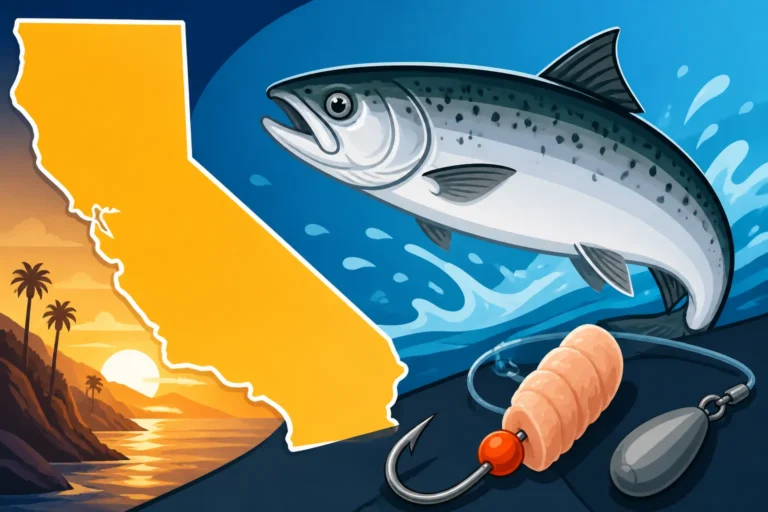
- For Trout: PowerBait in various colors (marshmallows, nuggets, or dough), inflated nightcrawlers, small inline spinners (like Rooster Tail or Panther Martin), and casting spoons (e.g., Kastmaster) are all proven trout getters.
- For Catfish: Stink bait, cut bait (mackerel, anchovy), or even hot dogs are classic choices. Have some Kahle or circle hooks ready.
- For Panfish: Small jigs (1/32 to 1/16 oz) tipped with a small grub or a piece of worm, tiny bobbers, and small hooks are perfect.
- Terminal Tackle: A selection of hooks (worm hooks, treble hooks, circle hooks), sinkers (bullet weights, split shots, egg sinkers), swivels, and perhaps some bobbers are indispensable.
Organize your tackle smartly in a small, portable tackle box or a backpack with integrated tackle trays. This makes it easy to switch baits and keep your gear from becoming a tangled mess.
Comfort and Safety Gear
Fishing from the bank often means spending hours outdoors, sometimes in challenging terrain. Don't overlook comfort and safety! A lightweight, foldable chair can be a game-changer for long waits, especially if you're targeting catfish. A good cooler, either a traditional ice chest or a backpack cooler, is essential for keeping your drinks and snacks cold, and for safely storing any fish you plan to keep.
Sun protection is non-negotiable in California's often-sunny climate: a wide-brimmed hat, sunglasses, and plenty of sunscreen. Sturdy, waterproof hiking boots with good ankle support are highly recommended, as reservoir banks can be slippery, uneven, or prone to mud. Carry a small first-aid kit for minor cuts or scrapes, and always have plenty of water to stay hydrated. Be aware of your surroundings, especially for local wildlife like snakes or poison oak, which are common near many California reservoirs. Consider carrying a small, collapsible landing net, which can be invaluable for landing larger fish without having to scramble down a steep bank.
Proven Techniques for California Reservoir Bank Fishing
Success from the bank often comes down to precise casting, understanding fish behavior, and adapting your presentation. It's a game of strategy, and with a few key techniques, you can significantly increase your catch rate.
Targeting Bass from Shore
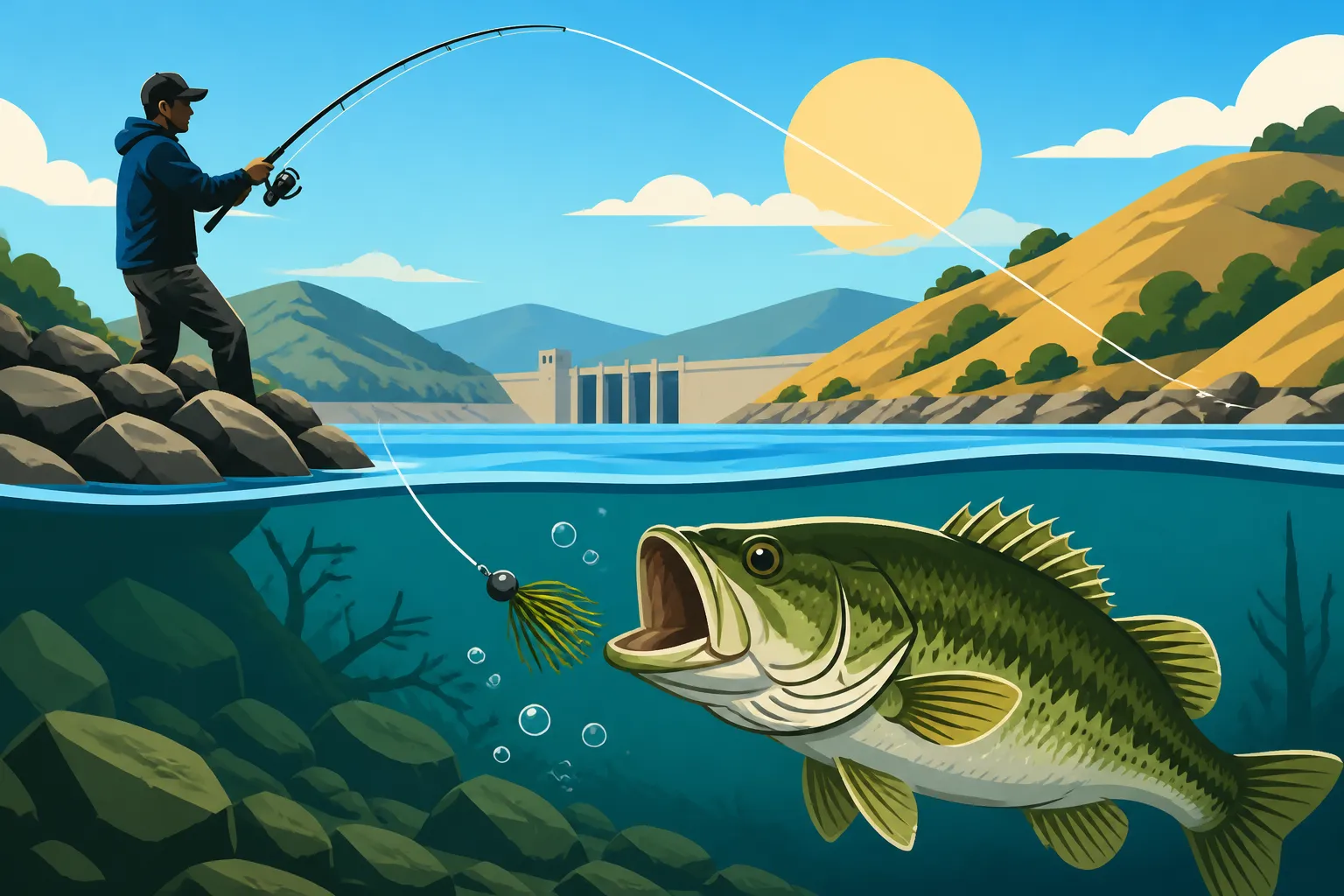
Bass are ambush predators that love structure. When you're fishing from the bank, your goal is to find that structure and present your lure naturally. One highly effective technique is to cast parallel to the shoreline, especially if there's a gradual slope or weed line. This allows your lure to stay in the strike zone longer. Focus on points, coves, submerged trees, and rocky outcrops.
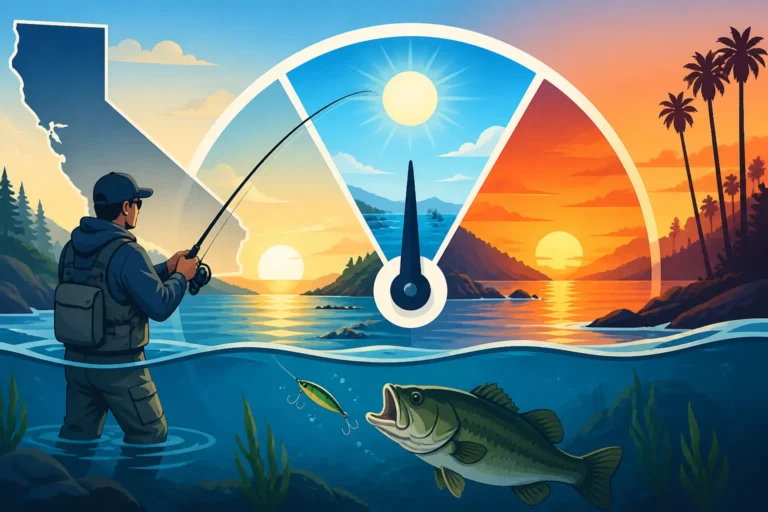
For largemouth bass, Texas-rigged or wacky-rigged soft plastic worms are phenomenal for working through cover without snagging. Cast them out, let them sink, and slowly twitch them back. Crankbaits can be great for covering water quickly, especially in areas with a consistent depth. Smallmouth bass often prefer rocky areas and deeper points; try finesse techniques like drop-shotting small worms or grubs, allowing your bait to hover tantalizingly just off the bottom. Remember that bass are often more active during dawn, dusk, or overcast days. For more detailed tips on landing these fighters, check out our guide on How to Fish for Largemouth Bass in California.
Effective Trout Bank Fishing Methods
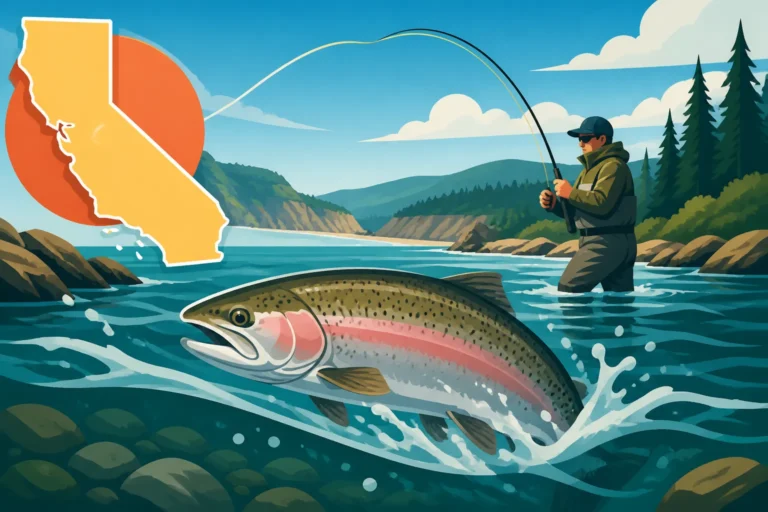
Trout are a favorite among California bank anglers, especially with the California Department of Fish and Wildlife's regular stocking programs. For these planted fish, the "PowerBait and Bobber" method is a classic. Use a small hook (size 10-14) with a small piece of floating PowerBait, and a light split shot about 12-18 inches above the hook. Cast it out and let it suspend in the water column. You can also use inflated nightcrawlers for a natural alternative.
Another highly effective technique is casting small inline spinners or spoons. Brands like Kastmaster, Thomas Buoyant, and Rooster Tail are perennial favorites. Cast these lures out, let them sink to various depths, and retrieve them with a steady or stop-and-go motion. Trout often cruise the open water or around drop-offs, so fan casting to cover a wider area can be very productive. Early mornings and late afternoons are prime times for trout, especially when the water is cooler. Keeping an eye on the California Trout Stocking Schedule can give you a significant advantage, as freshly stocked fish are often more eager to bite. For deeper insights, our article on How to Fish for Trout in California is a great resource.
Bank Fishing for Catfish and Panfish
Catfish offer a different kind of bank fishing experience – often more relaxed, waiting for the bite. The key to successful catfish bank fishing is a good bottom rig and patience. A Carolina rig (egg sinker above a swivel, then a fluorocarbon leader to a circle or Kahle hook) with cut bait, stink bait, or even a piece of hot dog fished directly on the bottom is usually best. Cast it out into deeper holes or channels, set your rod in a holder, and wait for that tell-tale tap or steady pull. They're often most active in the evenings and overnight, making for a tranquil fishing experience. For more on these whiskered warriors, check out Channel Catfish in California: Where and How to Catch.
Panfish like bluegill and crappie are perfect for light tackle and can provide non-stop action, making them ideal for family outings or beginners. A small jig tipped with a bit of worm, fished under a bobber, is incredibly effective. Look for them around submerged brush, docks, or weed beds in shallower water. They're typically active throughout the day, especially in warmer months.
Adapting to Water Levels and Conditions
Reservoir water levels in California can fluctuate wildly, sometimes daily with hydroelectric operations or seasonally due to snowmelt and drought. This constantly changing environment demands adaptability from bank anglers.
- High Water: When water levels are high and rising, fish often move into newly flooded vegetation. This can create excellent opportunities for bass anglers to pitch jigs or soft plastics into the newly submerged cover. Trout might spread out more, making them harder to pinpoint.
- Low Water: Conversely, during periods of low or dropping water, fish tend to concentrate in remaining channels, around deep points, or the main lake bed. This can be a boon for bank anglers, as fish are more confined and easier to locate. Focus on casting to areas where the bank drops sharply into deeper water.
- Water Clarity: Stained or murky water can make fish less wary, allowing you to use brighter colored lures or scented baits. In clear water, fish are more easily spooked, so opt for natural colors, smaller presentations, and longer, lighter leaders. Always check local conditions before you head out; online fishing reports or talking to bait shop owners can provide invaluable, up-to-date information.
Popular California Reservoirs for Bank Fishing
California boasts an incredible number of reservoirs, many of which offer fantastic bank fishing opportunities. Here's a look at some of the standouts across the state. For a broader overview of the state's options, you might enjoy our guide to the Best Lakes to Fish in California.
Northern California Hotspots
Northern California is home to some truly magnificent reservoirs, providing diverse bank fishing experiences.
- Lake Shasta: This massive reservoir, located in Shasta County, is a prime destination for bank anglers. While known for its incredible boat fishing, numerous coves, points, and recreational areas like Shasta Dam offer accessible shoreline. You can target a variety of species, including rainbow trout, brown trout, and a healthy population of largemouth and smallmouth bass. During spring, bass will move shallow, making them accessible from the bank. For trout, try PowerBait or worms near public access points like the Centimudi Boat Ramp or Bridge Bay. Check out our comprehensive Lake Shasta Fishing Guide for more details.
- Folsom Lake: Situated in the Sierra Nevada foothills, Folsom Lake offers excellent opportunities, especially for bass and trout. Its varied shoreline, including rocky areas, submerged timber, and coves, provides ample cover. Areas around the Folsom Lake State Recreation Area often have good bank access. Anglers frequently catch largemouth and smallmouth bass, as well as rainbow trout. Striped bass also make an appearance, particularly in the lower lake.
- Lake Berryessa: Located in Napa County, Lake Berryessa is renowned for its trophy-sized largemouth bass. While a boat is usually preferred for the biggest fish, many coves and points offer decent bank access, especially around public parks. Smallmouth bass and rainbow trout are also common catches. Look for areas with rocky banks or gradual slopes where bass might be feeding.
Southern California Gems
Southern California, despite its urban sprawl, has several fantastic reservoirs that are easily accessible for bank anglers, often managed with excellent facilities.
- Diamond Valley Lake: Located near Hemet, Diamond Valley Lake is a true gem for bank fishing, known for its trophy largemouth bass, striped bass, and stocked rainbow trout. The lake offers designated bank fishing areas with paved paths and amenities, making it very family-friendly. The deep water access from shore allows for targeting both shallow and deep-holding fish. PowerBait for trout, and soft plastics or crankbaits for bass and stripers are highly effective. Our Diamond Valley Lake Fishing Guide offers a deep dive into this impressive fishery.
- Castaic Lake: North of Los Angeles, Castaic Lake is famous for its massive largemouth bass, including the state record. While the lagoon offers easier access, the main lake also has some bank fishing spots, particularly around the recreation areas. Besides bass, you can find striped bass, rainbow trout, and even catfish. Focus on areas with structure or deeper drop-offs near the shoreline.
- Lake Perris: Near Moreno Valley, Lake Perris provides a diverse fishery for bank anglers. It's well-stocked with rainbow trout, and also holds good populations of largemouth bass, striped bass, bluegill, and channel catfish. The lake has several designated bank fishing areas, including the Moreno Beach area. This is an excellent spot for family fishing, with opportunities to catch a variety of species.
Central California Opportunities
Central California's reservoirs offer a unique blend of species, including impressive populations of striped bass.
- San Luis Reservoir: This vast reservoir, located in Merced County, is a powerhouse for striped bass. While wind can be a factor, there are numerous coves and points, particularly on the western side, that offer good bank access. Stripers often cruise the shorelines, especially during low light, looking for baitfish. Use casting spoons, swimbaits, or cut bait. Beyond stripers, you can also find largemouth bass here.
- Millerton Lake: Just north of Fresno, Millerton Lake is a popular spot for both boat and bank anglers. It offers excellent fishing for largemouth bass, smallmouth bass, and rainbow trout. The lake's irregular shoreline with many coves and points provides ample cover. Public access points around the Millerton Lake State Recreation Area are good places to start your bank fishing adventure.
Regulations and Best Practices for Reservoir Bank Fishing
Fishing in California, even from the bank, comes with rules and responsibilities. Understanding these isn't just about avoiding a fine; it's about preserving our fisheries for future generations and ensuring a safe, enjoyable experience for everyone.
Understanding California Fishing Regulations
First and foremost, you absolutely need a fishing license. If you’re not clear on what you need, our California Fishing License Guide covers all the ins and outs. Anyone 16 years or older must possess a valid California fishing license. You can purchase these online, at most sporting goods stores, or from licensed agents. Always make sure to have your license with you when you're fishing.
Beyond the license, it's crucial to understand the specific regulations for the body of water you're fishing, particularly the California Freshwater Fishing Regulations. These regulations cover everything from daily bag and possession limits to specific size restrictions for different species. For instance, trout often have specific limits that vary by district, and bass might have minimum length requirements. Always consult the current California Sport Fishing Regulations booklet or the California Department of Fish and Wildlife (CDFW) website before you go. This information is key to understanding California Fishing Bag and Size Limits and helps ensure you're fishing legally and sustainably. Some reservoirs might have specific local rules too, such as restrictions on certain bait types or gear.
Leave No Trace Principles
Being a responsible angler means adhering to "Leave No Trace" principles. The beauty of California's reservoirs is part of the experience, and it's up to all of us to keep them pristine. This means packing out everything you pack in – and then some. Don't leave behind discarded fishing line, bait containers, food wrappers, or any other trash. It harms wildlife and detracts from the natural beauty. Consider bringing a small trash bag or a collapsible bin – you can find great, portable options for this on Amazon – specifically for your refuse.
Respect private property and public access points. Stay on designated trails and avoid trampling vegetation. If you're fishing near other anglers, be mindful of their space and avoid casting over their lines. And remember, fish handling is important. If you're practicing catch and release, do so carefully and quickly to minimize stress on the fish.
Safety First
Bank fishing, while often safer than boat fishing, still requires attention to safety. Reservoir banks can be steep, rocky, or muddy, leading to slippery conditions. Always wear appropriate footwear with good grip. Be aware of your footing, especially when carrying gear or navigating uneven terrain.
As mentioned earlier, California is home to various wildlife. Be vigilant for rattlesnakes, especially during warmer months, and know how to identify poison oak or other hazardous plants. Hydration is critical, especially when fishing under the California sun; bring plenty of water. Let someone know where you're going and when you expect to return, especially if you plan to explore more remote sections of the bank. A fully charged cell phone can also be a lifeline in an emergency. Being prepared means you can focus on the fishing and enjoy the tranquility of the reservoir.
| Species Targeted | Best Bank Spots/Conditions | Recommended Bait/Lures | Key Techniques |
|---|---|---|---|
| Largemouth Bass | Coves, points, submerged structure, weed lines. Dawn/dusk, overcast days. | Soft plastics (worms, jigs), crankbaits, spinnerbaits | Texas rig, wacky rig, slow retrieve, casting parallel to shore |
| Smallmouth Bass | Rocky points, drop-offs, deep banks. Cooler water. | Finesse worms, grubs, small jigs, tubes | Drop shot, slow dragging, hopping |
| Rainbow Trout | Stocked areas, open water, near inlets/outlets, cool water. | PowerBait, inflated nightcrawlers, small spinners, spoons | Bottom rig, slip bobber, fan casting, varied retrieves |
| Channel Catfish | Deep holes, old creek channels, evenings/night. | Stink bait, cut bait, hot dogs | Bottom rig (Carolina rig), patience, multiple rods |
| Bluegill/Crappie | Shallow coves, brush piles, docks, weed beds. Sunny days. | Small jigs, worms, crickets | Bobber fishing, slow retrieve, vertical jigging |
| Striped Bass | Main lake points, dam faces, open water, current. | Swimbaits, casting spoons, cut bait | Fan casting, retrieve at various depths, steady retrieve |
Disclaimer
Fishing regulations and conditions in California are subject to change. Always consult the latest California Department of Fish and Wildlife (CDFW) regulations booklet or their official website before heading out to ensure you are compliant with all current laws and seasonal closures. This guide is for informational purposes only and does not constitute legal advice.