Chinook Salmon in California: Where and How to Catch
There's nothing quite like the thrill of a Chinook salmon strike, that powerful head shake and screaming reel that tells you you've hooked into something truly special. But let's be honest, trying to figure out where and how to intercept these magnificent fish in California can sometimes feel like you're trying to solve a complex puzzle. This comprehensive guide is here to untangle that mystery, offering practical, realistic advice on finding and catching Chinook salmon across the Golden State's diverse fisheries.
Understanding California's Chinook Salmon Fishery
Before we dive into the nitty-gritty of where and how, it's crucial to understand the lifecycle of Chinook salmon, also known as King Salmon. These incredible anadromous fish spend their adult lives in the ocean, growing large and strong, before migrating back to the freshwater rivers where they were born to spawn. This journey is what makes them so sought after – they're powerful fighters, and when they're in the rivers, they're often concentrated, offering incredible fishing opportunities. However, their populations can fluctuate dramatically due to environmental factors like drought, water management, and ocean conditions, which means regulations and seasons are often subject to change. Staying informed is key, and checking the latest California Salmon Regulations and Limits is always a good first step.
The Different Chinook Runs
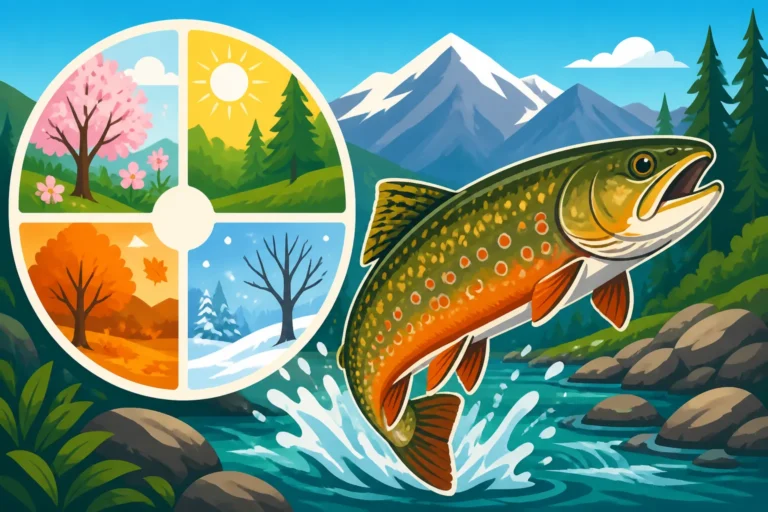
California is home to several distinct runs of Chinook salmon, each tied to specific river systems and characterized by when they return from the ocean to spawn. Knowing these runs helps you predict when and where you'll have the best chance to encounter them.
- Fall Run Chinook: This is by far the most abundant and well-known run in California. These fish typically enter the river systems from late summer through fall, with spawning occurring in the late fall and early winter. Major rivers like the Sacramento, Feather, and American Rivers see significant fall runs, drawing anglers from all over. These are often the salmon targeted by ocean sportfishing fleets before they enter the bays and rivers.
- Spring Run Chinook: Once a dominant run, spring Chinooks are now significantly depleted and listed as threatened under the Endangered Species Act in many areas. They enter rivers in spring, hold in cold pools through the summer, and spawn in the fall. Fishing for true wild spring-run Chinook is highly restricted or prohibited to protect these fragile populations. Most fishing opportunities for "spring-run" are for hatchery fish or fall-run fish that return early.
- Late Fall Run Chinook: Primarily found in the Sacramento River system, these fish enter the river later in the fall and spawn in the winter. While not as large as the fall run, they offer extended fishing opportunities into the colder months.
- Winter Run Chinook: These are the most critically endangered run in California, found almost exclusively in the upper Sacramento River. They enter the river in winter and spawn in spring. Fishing for winter-run Chinook is strictly prohibited, and anglers must be extremely careful to avoid accidentally hooking or disturbing them.
Understanding these different runs and their conservation status isn't just about following rules; it's about being a responsible angler who contributes to the long-term health of the fishery. Always respect closures and catch limits, and when in doubt, release the fish unharmed.
Where to Find Chinook Salmon in California
Finding Chinook salmon in California means understanding their migratory paths, from the vast Pacific Ocean to the relatively narrow freshwater rivers. Your approach will change dramatically depending on whether you're targeting them in saltwater or freshwater.
Ocean and Bay Environments
Many anglers start their Chinook salmon quest in the ocean, especially during the peak feeding season when the fish are actively bulking up before their arduous journey upstream. The state's long coastline offers numerous prime locations.
- Northern California Coast: Areas off the coast from Fort Bragg, Shelter Cove, and Eureka are legendary for their ocean salmon fisheries. The cold, nutrient-rich waters here provide an excellent feeding ground. You'll often find charter boats departing from these ports, targeting salmon near bait balls or along temperature breaks.
- Central Coast: Monterey Bay and Half Moon Bay are fantastic spots to intercept ocean-going Chinook. Here, the continental shelf drops off quickly, creating upwellings that bring baitfish to the surface, attracting salmon. San Francisco Bay itself, particularly the central and north bay areas, becomes a major staging ground for salmon preparing to enter the Sacramento-San Joaquin Delta system. This is where you might encounter large schools of "kings" moving in. For those looking for local expertise, a San Francisco Bay Fishing Guide can provide invaluable insights.
- Southern California Coast (Limited): While not as prominent as the central and northern coasts, some years see transient populations of Chinook further south, particularly during cooler water periods. However, targeting them here is less consistent and typically requires more specialized knowledge.
When fishing in the ocean or bay, pay close attention to depth finders for bait concentrations and thermoclines. Salmon are often found feeding within a specific temperature range, and baitfish are their primary drivers. Local knowledge from bait shops or fishing reports, like the California Fishing Reports, can be incredibly valuable for pinpointing current hotspots.
Freshwater River Systems
Once Chinook salmon leave the ocean, they become freshwater fish, albeit temporarily. Targeting them in rivers requires a different strategy, focusing on their instincts to move upstream and eventually spawn.
- Sacramento River System: This is arguably the most famous Chinook salmon river in California. From its upper reaches near Redding down through Chico, Colusa, and into the Delta, the Sacramento offers consistent fishing during the fall run. Tributaries like Battle Creek and Mill Creek also receive spawning salmon. A comprehensive Sacramento River Fishing Guide would detail specific access points and techniques for different sections.
- Feather River: A major tributary to the Sacramento, the Feather River, particularly below the Oroville Dam, is a renowned salmon fishery. Hatchery programs here ensure strong returns, making it a favorite for many anglers. Knowing the flows and where the fish are holding is crucial. Consider checking out a Feather River Fishing Guide for more information.
- American River: Flowing through Sacramento and joining the Sacramento River, the American River offers easily accessible urban fishing opportunities for Chinook. The section below Nimbus Dam is a popular spot, especially during the peak of the fall run. For those in the capital area, an American River Fishing Guide is a must-read.
- Klamath and Trinity Rivers (North Coast): These two interconnected rivers in Northern California are critically important systems for Chinook, including both fall and highly protected spring runs. Fishing here is often culturally significant and subject to strict regulations to protect wild fish, especially during periods of low returns. These rivers are beautiful, but accessing them often requires more planning and understanding of local conditions, potentially using resources like a Klamath River Fishing Guide or Trinity River Fishing Guide.
When fishing rivers, focus on deeper pools, current breaks, riffles, and structure like fallen trees or rock formations where salmon might rest or hold before moving upstream. Their behavior is less about feeding and more about conserving energy and finding suitable spawning grounds.
When to Target Chinook Salmon
Timing is everything when it comes to Chinook salmon. Their migratory patterns dictate when they'll be in specific locations, and hitting the right window can make all the difference between a slow day and an unforgettable one.
Optimal Seasons and Runs
As discussed, different runs mean different seasons. The general rule of thumb is that ocean fishing peaks in late spring and summer, while river fishing heats up in the fall.
- Ocean Fishing: The ocean salmon season in California typically runs from spring through summer, with specific opening and closing dates varying by region and year, often tied to projected salmon returns and conservation goals. May through August are generally prime months to target ocean Chinook when they are actively feeding and at their fattest. Always check the current California Salmon Season Dates Explained before planning a trip, as these can change annually based on stock assessments.
- River Fishing: Fall is undeniably the prime season for river-bound Chinook. As early as late August, you'll see fish starting to stage in bays and enter the lower reaches of rivers, with the peak usually occurring in September and October. In some systems, like the Feather and Sacramento, good fishing can extend into November and even December for late fall-run fish. The California Salmon Run Timing can give you a general idea of when different runs are expected in specific rivers, but always cross-reference with local reports.
Daily Timing and Tidal Influence
Beyond the broad seasons, daily timing can also play a significant role, especially in estuarial environments and the lower river sections.
- Tides in Bays and Lower Rivers: Salmon moving into and through bays and the Delta are often heavily influenced by tides. An incoming or outgoing tide can concentrate fish, making them more predictable. Many experienced bay anglers prefer fishing the turn of the tide, or the first few hours of a strong tide swing, as this is when fish are most likely to be moving.
- River Flows: In freshwater rivers, water flow and temperature are critical. After a significant rain, fresh, cooler water can trigger new pushes of fish into the river. Conversely, extremely low or high flows can make fishing challenging. Checking river flow gauges from resources like the California Department of Water Resources or USGS can provide valuable real-time data.
- Low Light Conditions: Like many predatory fish, Chinook salmon often exhibit increased activity during low light conditions – dawn and dusk. These periods can be particularly productive for both ocean and river fishing, as the fish might feel more secure or find it easier to ambush baitfish.
How to Catch Chinook Salmon in California
Catching a Chinook is a true test of angling skill and patience. There are various effective techniques, and your choice will largely depend on the environment you're fishing and the stage of the salmon's migration.
Popular Techniques for Ocean and Bay Salmon
When salmon are still in saltwater, feeding aggressively, trolling is often the most productive method.
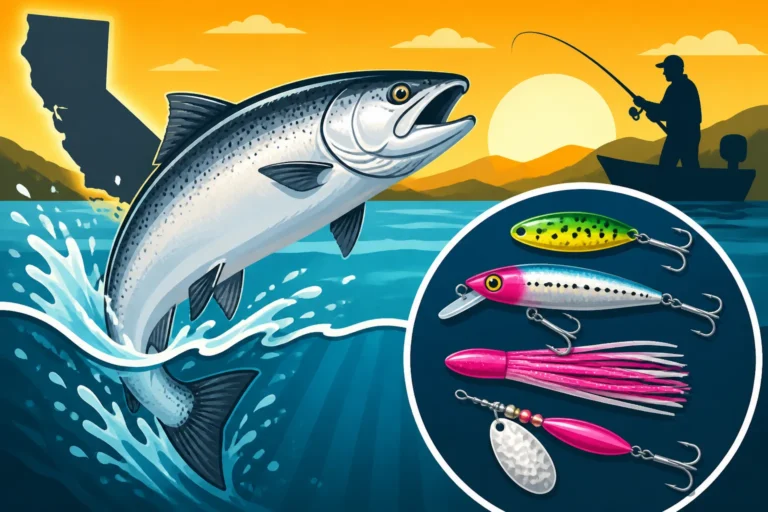
- Trolling with Downriggers: This is the bread and butter of ocean salmon fishing. Downriggers allow you to precisely control the depth of your lure or bait, getting it right into the strike zone where salmon are feeding. Popular setups involve a dodger or flasher ahead of a spoon, hoochie (squid skirt), or anchovy bait. Brands like Scotty and Cannon make excellent downriggers, and you can find a wide range of compatible tackle and accessories on Amazon.
- Mooring or Anchoring and Bait Fishing: In some bay or nearshore areas, especially where salmon are staging, anglers will anchor up and fish with live bait (like anchovies or sardines) or cut bait. This is often done with a simple sliding sinker rig, allowing the bait to drift naturally with the current. This can be a very effective way to intercept fish moving through specific channels.
Effective River Techniques for Migrating Salmon
Once salmon enter freshwater, their focus shifts from feeding to spawning. While they may not be actively hunting for food, they can still be enticed to strike out of aggression, territoriality, or instinct.
- Drifting Roe or Cured Baits: This is a classic and highly effective method for river salmon. Cured salmon roe, shrimp, or even sand shrimp are drifted naturally along the river bottom, often under a bobber or with minimal weight. The scent and natural presentation are irresistible to salmon. You can find quality salmon egg cures and even pre-cured roe for sale on Amazon and at local tackle shops.
- Back-Bouncing and Back-Trolling: These techniques involve using heavy weights (often pencil lead or pyramid sinkers) to keep bait or lures bouncing along the river bottom as you drift downstream (back-bouncing) or slowly move upstream with a boat (back-trolling). Spin-n-Glos, Brad's Killerfish, and large spoons are popular choices.
- Casting Spinners and Spoons: Aggressive salmon will often hit a well-presented spinner or spoon. Mepps, Blue Fox, and Luhr Jensen Krocodile spoons are popular options. Cast across current and retrieve, letting the lure swing and flutter, imitating an injured baitfish.
- Fly Fishing: While challenging, fly fishing for Chinook salmon in rivers can be incredibly rewarding. Heavy spey rods or single-hand rods with sinking lines are used to present large intruders, articulated flies, or even egg patterns. This is often practiced in specific "fly-fishing-only" sections of rivers, so always check local regulations.
Essential Gear and Tackle
Having the right gear is paramount for battling these powerful fish.
- Rods: For ocean trolling, a medium-heavy to heavy conventional rod (7-9 feet) with a forgiving tip is ideal. For river fishing, a heavy-action spinning rod or casting rod (8-10 feet) is standard for drifting baits, offering enough backbone to fight powerful fish and enough length for mending line. For fly fishing, a 9-10 weight rod is generally recommended.
- Reels: Matching your rod is important. For ocean trolling, a robust conventional reel like a Penn Fathom or a Daiwa Saltiga, capable of holding 300+ yards of 30-50lb test, is necessary. For river use, a durable baitcasting reel (e.g., a Shimano Curado) or a large-capacity spinning reel (e.g., a Shimano Stradic) with a strong drag system is perfect.
- Line: Braided line (30-65lb test) is popular for its sensitivity and strength, often with a fluorocarbon or monofilament leader (20-40lb test) for abrasion resistance and invisibility. For river fishing, many prefer heavier monofilament as a main line to help absorb shock.
- Terminal Tackle: A good selection of swivels, snap swivels, lead weights (various sizes and shapes), hooks (single barbless hooks are often required in rivers, so check regulations!), and floats/bobbers will be indispensable.
- Nets and Pliers: A large, sturdy net is critical for landing big salmon, and long-nosed pliers are essential for hook removal, especially with aggressive, thrashing fish. Again, Amazon is a great place to pick up high-quality landing nets and essential tools.
| Fishing Environment | Preferred Techniques | Recommended Baits/Lures | Rod/Reel Type | Key Considerations |
|---|---|---|---|---|
| Ocean/Bay | Trolling with Downriggers, Anchoring | Anchovies, Sardines, Hoochies, Spoons, Plugs | Medium-Heavy Conv. | Depth, Baitfish Location, Tides |
| Rivers | Drifting Roe/Cured Baits, Back-Bouncing, Casting Spinners | Cured Roe, Shrimp, Spin-n-Glos, Spoons, Plugs | Heavy Spin/Cast (8-10 ft) | Water Flows, Fish Holding Spots, Barbless Hooks Often Required |
| Fly Fishing | Spey Casting, Indicator Nymphing | Intruders, Articulated Flies, Egg Patterns | 9-10 wt Spey/Single Hand | Water Clarity, Specific Fly Zones |
Essential Tips for Successful Chinook Salmon Fishing
Beyond techniques and gear, there are several overarching principles that will dramatically increase your chances of success and ensure a more enjoyable, responsible fishing experience.
Always Check Regulations and Reports
This cannot be stressed enough: California's fishing regulations, especially for sensitive species like salmon, are dynamic and subject to frequent changes. What was legal last year or even last month might be different today.
- CDFW Website: The California Department of Fish and Wildlife (CDFW) website is your ultimate authority for current regulations, season dates, and emergency closures. Always consult it before you head out. This includes understanding the specific rules for the California Fishing License Guide and any required report cards.
- Local Bait and Tackle Shops: These are goldmines of real-time, hyper-local information. The folks working there often fish the waters themselves and know exactly what's biting, what techniques are working, and any recent regulation changes. Plus, supporting them helps keep these vital community hubs alive.
- Fishing Reports: Many charter operations, fishing blogs, and online forums provide regular California Fishing Reports. While sometimes general, they can offer clues about fish movement and general conditions. Just remember to take them with a grain of salt and cross-reference.
Practice Catch and Release When Appropriate
While many Chinook salmon are destined for the dinner table, especially ocean-caught feeders, there are times when catch and release is the responsible choice.
- Protected Runs: If you are fishing in an area where protected runs (like spring or winter Chinook) might be present, or if you accidentally hook one, release it immediately and gently. Minimize handling, keep the fish in the water as much as possible, and use a dehooker if necessary.
- Post-Spawn Fish: Salmon that have already spawned or are clearly on their last legs (often identifiable by their dark, deteriorating appearance) are not good for eating and should be left to complete their natural cycle.
- Exceeding Limits: Always adhere to bag and size limits. If you've already kept your legal limit, switch to a catch-and-release mentality or call it a day. Remember, a California Fishing License Cost contributes to conservation efforts, so respect the limits set to preserve these resources.
Read the Water and Adapt
Salmon fishing isn't about blindly casting; it's about understanding the water and adapting your approach.
- Current and Structure: In rivers, identify current breaks, eddies, deep pools behind boulders, and submerged timber. These are natural resting or holding spots for migrating salmon.
- Bait Concentrations: In the ocean, look for bait balls on your sonar or diving birds on the surface. Where there's bait, there's usually salmon.
- Water Color and Temperature: Clearer, cooler water is generally better for salmon. Turbid water or unusually warm temperatures can make fishing tough.
- Listen to Others: Don't be afraid to politely observe what successful anglers around you are doing. What kind of gear are they using? How are they presenting their bait? Sometimes a subtle adjustment based on observation can make all the difference. This includes understanding the nuances of the Best Season for Salmon in California in different regions.
Chinook salmon fishing in California is a journey, a learning experience that evolves with every cast and every change in the environment. It demands respect for the fish, the regulations, and the incredible natural resources we're so fortunate to have. With the right knowledge, preparation, and a healthy dose of patience, you'll be well on your way to experiencing the unparalleled thrill of a California King.
Disclaimer
The information provided in this guide is for general informational purposes only and does not constitute legal advice or an exhaustive list of all regulations. Fishing regulations in California, especially for salmon, are subject to frequent changes. Always consult the official California Department of Fish and Wildlife (CDFW) website or their current printed regulations booklet before engaging in any fishing activity. It is the angler's responsibility to know and follow all applicable laws and regulations.