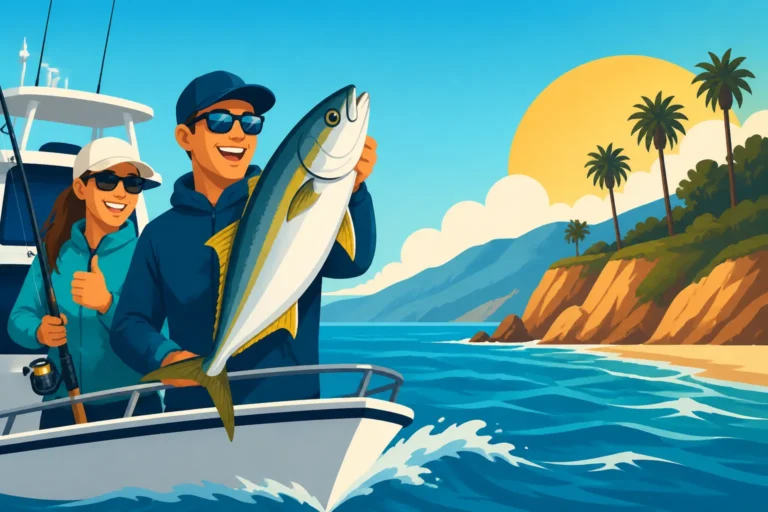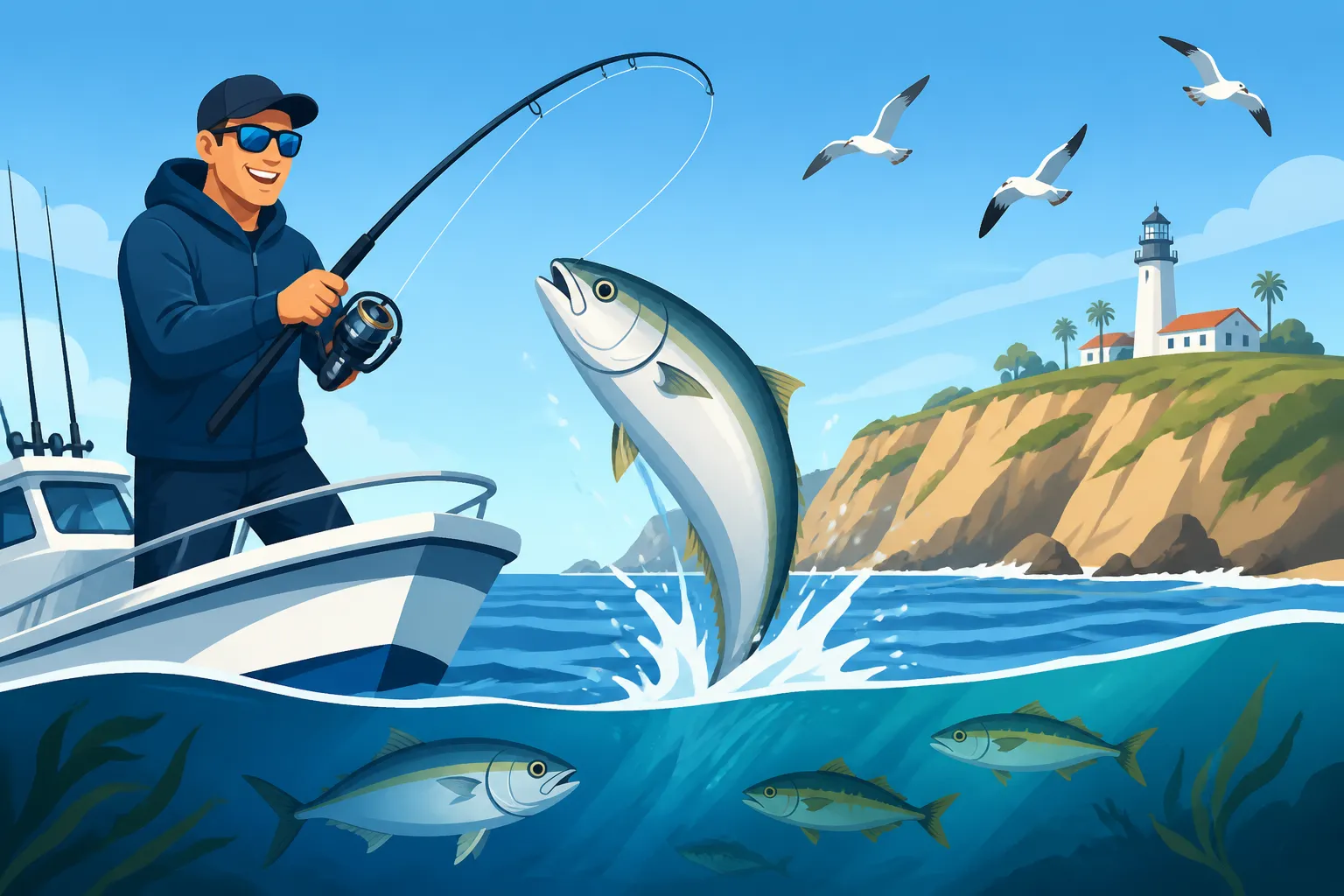
What to Expect on a Point Loma Fishing Trip
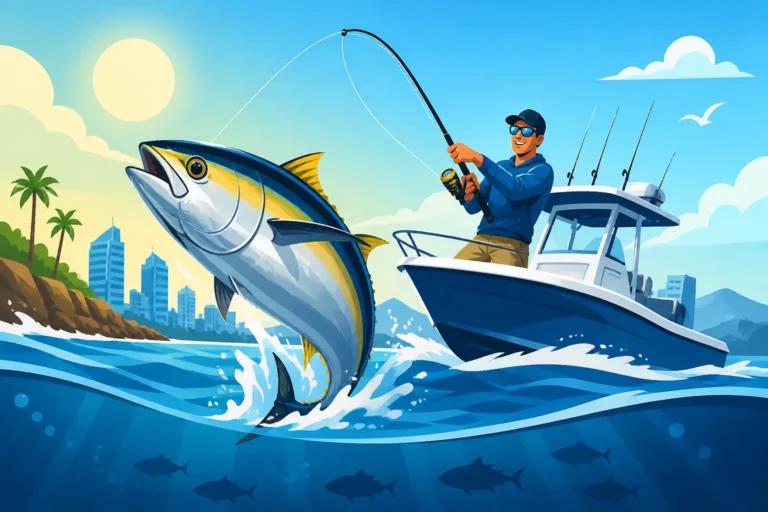
Heading out for a fishing trip from Point Loma is an adventure, but let's be honest, the unknown can feel a bit daunting, especially if you're not a seasoned angler or it's your first time exploring San Diego's famous waters. People often worry about what to expect, what to bring, and if they'll even catch anything! This comprehensive guide is here to smooth out those jitters, giving you a crystal-clear picture of what a Point Loma fishing trip truly entails, from the moment you consider booking to the triumphant return to the dock with your catch.
Understanding the Variety of Point Loma Fishing Trips
Point Loma, with its vibrant sportfishing landings like H&M Landing, Fisherman's Landing, and Point Loma Sportfishing, is a major launching point for a huge array of fishing experiences. It’s not just one type of trip; it's a whole spectrum of options designed to cater to different schedules, budgets, and fishing ambitions. Knowing these options is key to picking the adventure that's perfect for you and your crew.
Half-Day and Three-Quarter Day Excursions
These shorter trips are fantastic for families, beginners, or anyone looking for a quick escape on the water without committing to a full day. Typically, half-day trips are around 5-6 hours, while three-quarter day trips extend to about 8-9 hours. You’ll usually stick to local coastal waters, targeting species that are abundant closer to shore.
The atmosphere on these trips is generally more relaxed and family-friendly. The boats aren't venturing too far out, meaning less time traveling and more time with lines in the water. This also translates to a generally smoother ride, which can be a huge relief if you're prone to seasickness. While the focus isn't on giant trophy fish, you can still have incredible action, and it’s a perfect introduction to ocean fishing. For those wondering about length, we have a detailed guide on whether to choose California Half-Day vs Full-Day Charters.
Full-Day and Overnight Offshore Adventures
Now we're talking about serious fishing! Full-day trips are usually 10-12 hours, while overnight trips can range from 1.5 to 2.5 days. These charters venture further offshore, often into Mexican waters (don't worry, the boat handles any necessary permits, but you will need a passport if crossing into Mexico!). The target species here are often the bigger, more migratory pelagic fish that hang out in warmer, deeper waters.
These longer trips demand a bit more stamina and a stronger stomach, as you'll be covering more ground and potentially encountering rougher seas. However, the reward can be immense, with opportunities to battle powerful tuna or feisty dorado. The experience is more immersive, allowing you to witness stunning sunrises and sunsets over the open ocean. It's a true angler's dream for those seeking a bigger challenge and a higher chance at trophy fish.
Private Charters vs. Open Party Boats
When you book a trip from Point Loma, you’ll generally choose between an “open party” boat or a “private charter.” An open party boat is like a public bus for fishing – you buy a ticket for one spot, and you're fishing alongside other individual anglers or small groups. These are typically more affordable per person and are a great way to meet new people who share your passion. The boat has a schedule, a fixed departure, and a set return time.
Private charters, on the other hand, mean you rent the entire boat and crew for your group. This offers unparalleled flexibility: you can customize your trip duration, target specific species, and even dictate the pace. It’s ideal for corporate outings, family reunions, or a group of friends who want a more personalized experience. While more expensive upfront, splitting the cost among a larger group can make it quite reasonable. Many anglers use platforms like FishingBooker to browse and compare both open party and private charter options easily.
Here's a quick overview of what these trips generally entail:
| Trip Type | Duration | Typical Range | Primary Target Species (Seasonal) | Ideal For |
|---|---|---|---|---|
| Half-Day | 5-6 hours | Local coastal waters, kelp beds, reefs | Rockfish, Calico Bass, Barracuda, Lingcod | Beginners, families, quick trips, budget-conscious |
| Three-Quarter Day | 8-9 hours | Local coastal, slightly further offshore | Rockfish, Yellowtail, Barracuda, Calico Bass | More serious anglers, good mix of action and comfort |
| Full-Day | 10-12 hours | Offshore banks, islands, Coronado Islands | Yellowtail, Tuna (Bluefin, Yellowfin), Dorado | Experienced anglers, trophy hunters |
| Overnight/Multi-Day | 1.5 – 2.5+ days | Far offshore, Baja California waters | Bluefin Tuna, Yellowfin Tuna, Dorado, Wahoo | Dedicated anglers, epic fishing adventures |
Preparing for Your Point Loma Fishing Expedition
A successful fishing trip starts long before you step foot on the boat. Proper preparation can make all the difference between a memorable day and a miserable one. From licensing to what you wear, every detail counts.
Licensing and Report Cards
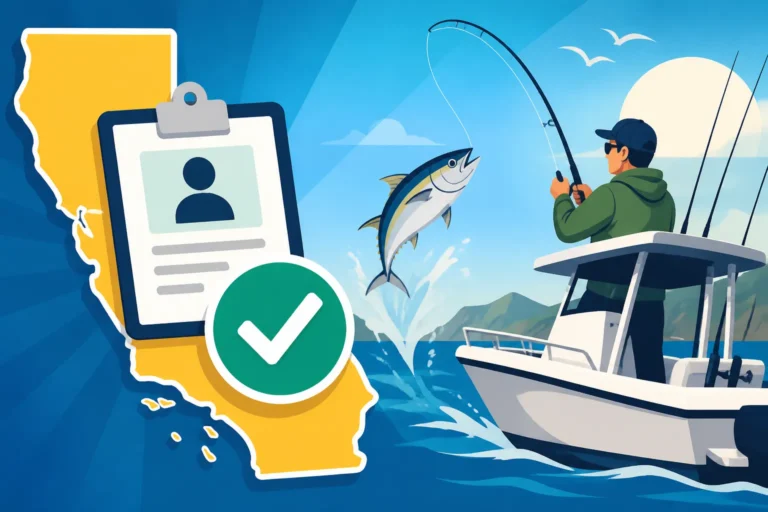
This is perhaps the most crucial pre-trip step, and surprisingly, the one most often overlooked by newcomers. Everyone 16 years of age or older needs a valid California fishing license. This isn't something you can just pick up at the dock five minutes before departure – well, you can, but it's much better to sort it out in advance. You can easily purchase a California Fishing License Guide online through the California Department of Fish and Wildlife (CDFW) website or at authorized tackle shops. If you're looking for convenience, knowing How to Buy a California Fishing License Online is a game-changer.
Beyond the general license, certain species require a "report card." If you plan on targeting specific species like highly migratory tuna, salmon, or sturgeon, you'll need the appropriate California Fishing Report Cards Explained. The charter boat crew will usually remind you about these, but it's ultimately your responsibility to have them. Always check the current regulations before your trip, as they can change seasonally or even annually.
What to Bring and Wear
The Pacific Ocean, even off sunny San Diego, can be surprisingly chilly and unpredictable. Layers are your best friend. Even if it's hot on land, the ocean air can be cool, and the wind chill when the boat is moving makes it feel even colder.
- Clothing: Start with a base layer, add a warm mid-layer (fleece or hoodie), and top it with a waterproof and windproof jacket. This allows you to adjust to changing conditions. Wear comfortable, non-slip shoes with good traction. Sun protection is paramount: a wide-brimmed hat, sunglasses, and high-SPF sunscreen are non-negotiable. Even on cloudy days, UV rays are potent on the water. Check out our guide on What to Wear on a California Fishing Charter for more detailed advice.
- Food and Drink: Most trips don't include meals, so pack plenty of water, snacks, and a lunch. Stay hydrated throughout the day. Some charters might have a galley with snacks and drinks for purchase, but don't rely solely on that.
- Seasickness Medication: If you have even a hint of susceptibility to seasickness, take preventative measures. Over-the-counter options like Dramamine or Bonine work best when taken before you board the boat, not once you start feeling queasy. Ginger chews, acupressure wristbands, and staying topside with a view of the horizon can also help. We've got some great tips on How to Prevent Seasickness on a California Charter that are worth reading.
- Fishing Gear: For open party boats, usually, basic rods and reels are available for rent, or sometimes included in the fare for specific target species like rockfish. However, if you have your own preferred gear, you're welcome to bring it. For private charters, discuss gear needs with the captain beforehand. Don’t forget a small bag or backpack for your essentials.
The Fishing Experience on a Point Loma Charter
Stepping onto a sportfishing boat in Point Loma is an experience in itself. The smell of the ocean, the anticipation of the catch, and the camaraderie of fellow anglers – it's all part of the magic.
Boarding and Onboard Facilities
Most Point Loma landings ask you to arrive at least an hour before departure for check-in. This gives you time to pick up your tickets, grab any last-minute tackle or snacks from the landing's shop, and get your gear sorted. Deckhands will typically be on hand to assist with stowing your gear and helping you find a spot on the rail.
The boats themselves are purpose-built for sportfishing. You'll find a spacious deck (the "rail") where everyone fishes, a bait tank full of live bait (usually anchovies or sardines), and often a galley where you can grab a hot coffee or a burger on longer trips. There are also restrooms on board, which vary in size and comfort but are always a welcome sight. Don't expect luxury, but functional and clean facilities are standard.
The Fishing Action
Once you're underway, the captain and crew work hard to locate fish. This can involve cruising to known fishing grounds, using sonar to find schools of bait or fish, or following bird activity. When the captain yells "Bait up!" or "Lines in!", the excitement kicks in. The deckhands are incredibly helpful, offering advice on rigging, casting, and fighting fish. Don’t hesitate to ask them for help; it’s what they’re there for!
Depending on the trip and season, you could be dropping baits for rockfish, jigging for yellowtail, or kite fishing for massive bluefin tuna. Each species requires different techniques, and the crew is expert at guiding you. For beginners, a California Charter Fishing for Beginners guide can provide excellent foundational knowledge. The action can be fast and furious, or there might be periods of waiting. Patience is a virtue in fishing!
Deckhand Assistance and Fish Handling
The deckhands are the unsung heroes of any charter trip. They're constantly moving, helping anglers untangle lines, re-tie knots, gaff fish, and keep the deck clear. When you hook a fish, they'll often be right there to coach you through the fight, especially if it's a big one.
Once a fish is landed, they’ll quickly and efficiently remove it from your hook, dispatch it humanely, and place it in the boat's fish holds, typically in iced saltwater slush to preserve its quality. At the end of the trip, they'll usually offer a fish cleaning service right on the dock, for a small fee per fish or by weight. This is a highly recommended service, as they're pros at filleting quickly and cleanly, leaving you with ready-to-cook portions.
Target Species and Prime Seasons from Point Loma
California's waters are incredibly diverse, and what you're likely to catch from Point Loma depends heavily on the time of year and how far offshore you venture. Understanding the seasonality is key to managing your expectations and planning the most productive trip.
Coastal and Nearshore Species
For half-day and three-quarter day trips, especially those staying within California waters, you'll often be targeting bottom-dwelling species or those associated with kelp forests and reefs.
- Rockfish: This is a broad category, including species like vermilion, bocaccio, chilipepper, and various other snapper-like fish. They are abundant on rocky reefs and drop-offs. Fishing for rockfish typically involves dropping weighted baits or jigs to the bottom. They're delicious table fare! Learn more about California Rockfish Species Identified.
- Calico Bass: A favorite among inshore anglers, calico bass are aggressive fighters found in and around kelp paddies and rocky structures. They primarily eat small baitfish and crustaceans. Light tackle and artificial lures like plastics or swimbaits are often effective.
- Barracuda: These toothy predators are a blast to catch on lighter tackle. They cruise in schools and hit fast-moving lures or live bait with impressive speed. They're often found closer to shore during warmer months.
- Lingcod: A highly prized species, lingcod are bottom dwellers with a fearsome appearance but delectable white meat. They can be caught alongside rockfish but often prefer larger baits or jigs. They put up a strong fight, pulling hard all the way to the boat. Check out the California Lingcod Regulations and Limits for specific rules.
Offshore and Pelagic Species
The longer trips that head further out, particularly into warmer offshore waters, open up opportunities for some of the most sought-after game fish. This is where you might employ California Offshore Fishing Techniques like trolling or kite fishing.
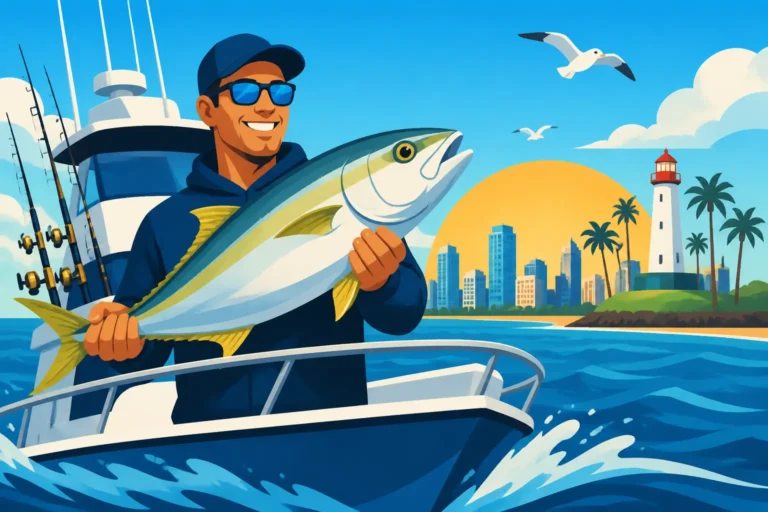
- Yellowtail Amberjack: Known for their incredible strength and relentless fighting spirit, yellowtail are a top target for many San Diego anglers. They can be found around offshore islands (like the Coronado Islands), kelp paddies, or even on open banks. Live bait, jigs, and surface irons are all effective.
- Tuna (Bluefin, Yellowfin, Albacore): Southern California has become a world-class tuna destination, especially for bluefin. These powerful, migratory fish can be found anywhere from 30 to 100+ miles offshore. Catching How to Catch Bluefin Tuna off California often involves heavy tackle, specialized techniques, and a lot of patience, but the reward of landing a giant tuna is unparalleled. Yellowfin and Albacore also make appearances, offering different fighting styles and delicious meat.
- Dorado (Mahi-Mahi): Brightly colored and acrobatic, dorado are a highly prized game fish that follow warm water currents. They are often found under floating kelp paddies or debris far offshore. They hit lures and live bait with enthusiasm and put on a spectacular aerial show.
- Mako and Thresher Sharks: While not always the primary target, these powerful sharks are sometimes encountered on offshore trips, offering a truly epic battle. They are catch-and-release only for most recreational anglers.
The Day of Your Point Loma Fishing Trip: From Dock to Deck
Knowing the flow of the day can help you feel more prepared and relaxed, allowing you to focus on the fun.
The Check-In Process and Departure
You'll head to your chosen landing – be it H&M Landing, Fisherman's Landing, or Point Loma Sportfishing – typically an hour before the scheduled departure time. This time is crucial for checking in, getting your tickets validated, and settling any outstanding fees (like rod rentals or Mexican fishing permits, if applicable). This is also a good opportunity to use the restroom on shore one last time, grab any last-minute items like a coffee or a sandwich, and find your way to the correct boat.
Once onboard, find a spot on the rail that feels comfortable. Some anglers prefer the bow for a potentially less crowded experience, while others like mid-ship for stability. Stow your gear neatly so it doesn't become a tripping hazard. The crew will usually give a brief safety talk and outline the day's plan, including what species they expect to target and where they'll be heading. Then, with a blast of the horn, you're off!
On the Water: Fishing Techniques and Crew Support
As the boat motors out to the fishing grounds, the crew will be busy preparing bait and getting things ready. Once at the spot, the captain will announce "lines in!" and it's time to fish. Depending on the species, you might be:
- Bait Fishing: This is common for rockfish and yellowtail. You'll be given live bait (usually anchovies or sardines) from the boat's tanks. The deckhands will show you how to hook them properly for the best presentation. For rockfish, you'll drop your bait to the bottom. For yellowtail, you might cast it away from the boat or let it drift naturally.
- Jigging: This involves using metal jigs, often "iron" jigs, which are cast out and retrieved rapidly to mimic a fleeing baitfish. This is incredibly effective for yellowtail and tuna, especially when they are actively feeding. The deckhands can show you the retrieve techniques specific to the jig and species.
- Trolling: On some offshore trips, especially for tuna or dorado, the boat might troll lures or rigged baits behind it while moving. When a fish hits, the crew will often get everyone on the rail ready, or guide the angler whose line was hit to fight the fish. This is a common California Offshore Fishing Techniques for pelagic species.
Throughout the day, the deckhands are invaluable. They'll help you untangle lines, re-tie knots if you break off, gaff or net your fish, and put it in the fish hold. Don't be shy about asking for help; they'd rather help you land a fish than have you lose it! Many first-timers find that charter trips are a fantastic way to learn new techniques and improve their angling skills under expert guidance.
The Return Journey and Fish Processing
As the day winds down, the captain will eventually call "lines up!" signaling the end of fishing. The boat then makes its way back to Point Loma. This is a good time to pack up your personal belongings and reflect on the day's catches and experiences.
Upon returning to the dock, the crew will typically bring out the fish from the hold. Many landings offer professional fish cleaning services. You bring your fish to the cleaning station, and for a small fee (usually per fish or per pound), experienced cleaners will fillet and bag your catch. This is highly recommended unless you're an expert at filleting, as they'll do it quickly and efficiently, maximizing your usable meat. Remember that Tipping on a California Fishing Charter is customary for both the deckhands and fish cleaners, as they work incredibly hard to ensure you have a successful and enjoyable trip. A general guideline is 15-20% of your fare for the deckhands, and a few dollars per fish for the cleaners, or a percentage of the cleaning fee.
Making the Most of Your Point Loma Fishing Trip
To truly enjoy your time on the water, a few extra considerations can go a long way.
Best Time to Book and What to Expect Seasonally
The "best" time to book a Point Loma trip really depends on what you want to catch. For rockfish, many operators run year-round, although specific seasons and depth restrictions apply. For the pelagic species like tuna, yellowtail, and dorado, the warmer summer and fall months (typically June through October) are prime time, as these fish follow the warmer currents north. This is when you'll see a surge in full-day and overnight trip availability.
Booking in advance, especially for weekend trips during peak season, is always a good idea. Websites like FishingBooker make it easy to see availability and compare different charter options. Keep an eye on local fishing reports as well; they offer real-time insights into what's biting. A comprehensive guide like Best Season to Book a California Charter can help you pinpoint the ideal time for your target species.
Tips for First-Timers and Families
If you're bringing kids or are new to ocean fishing, consider starting with a half-day trip. The shorter duration is less overwhelming, and the focus on more readily available coastal species ensures more action, which keeps spirits high. Many charter boats are quite kid-friendly and the deckhands are often great at helping youngsters.
Don't be afraid to ask questions! The crew members are a wealth of knowledge, and they're happy to share tips and advice. Pay attention to what experienced anglers are doing around you; you can often pick up valuable techniques by observing. Most importantly, relax and enjoy the experience. Even if the fish aren't biting, being out on the Pacific Ocean is an incredible experience in itself. You're making memories, and that's what truly counts.
Disclaimer
Please note that fishing regulations, seasons, and bag limits in California are subject to change by the California Department of Fish and Wildlife (CDFW). Always consult the latest CDFW regulations booklet or website before heading out on any fishing trip. Information provided here is for general guidance and educational purposes only.