How to Fish for Largemouth Bass in California
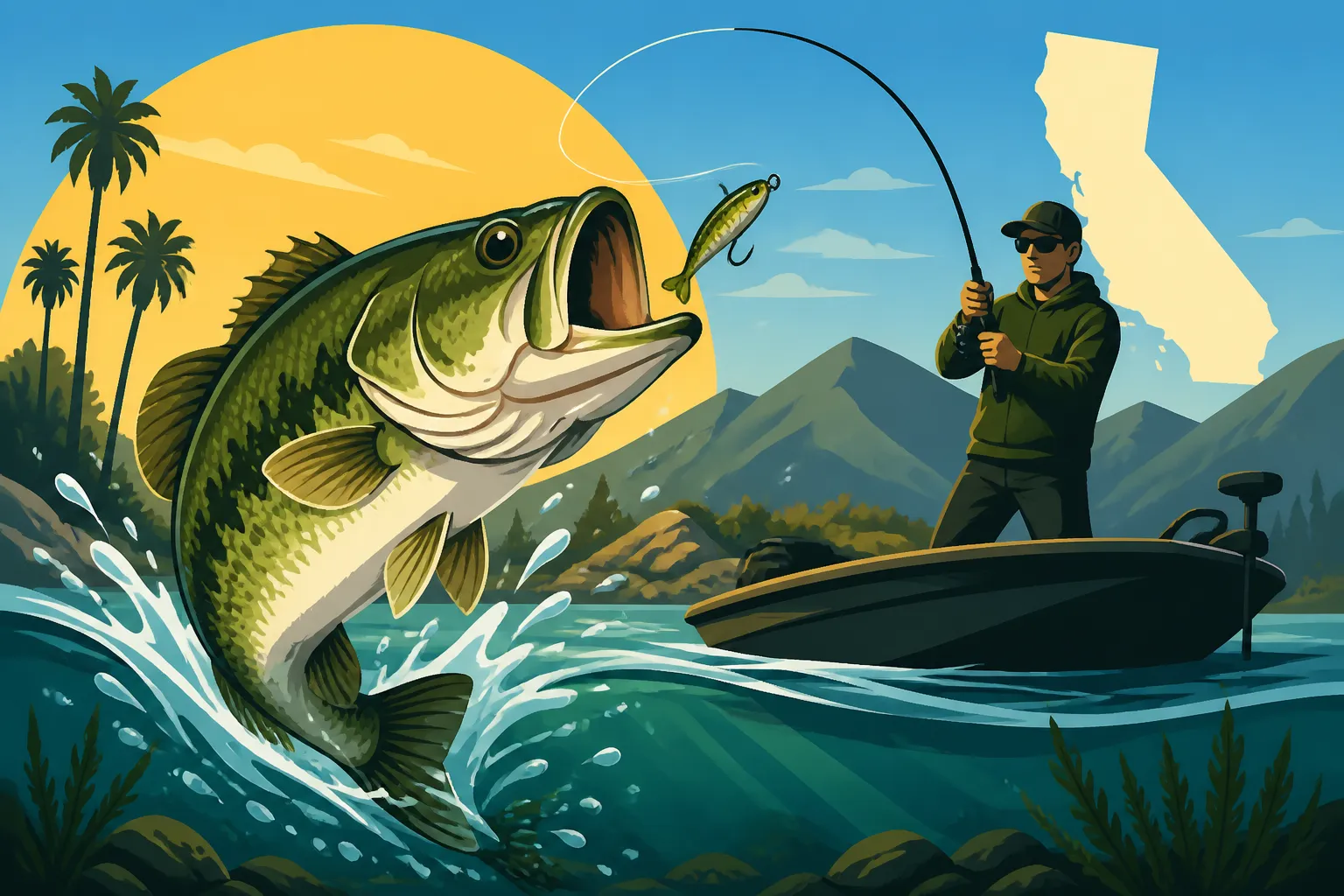
It can feel incredibly daunting to target largemouth bass in California, especially with such diverse waters, from massive reservoirs to smaller, community lakes. Many anglers get frustrated trying to crack the code of these elusive, hard-fighting fish, often feeling like they’re just casting blindly. This guide is designed to cut through that confusion, offering you actionable insights and proven strategies to confidently pursue and successfully catch largemouth bass across the Golden State.
The Largemouth Bass Lowdown in California
California's largemouth bass scene is as varied as its landscape, offering thrilling opportunities for anglers. But to consistently catch these feisty fish, you first need to understand their preferred hangouts and how their behavior shifts with the seasons. It’s not just about throwing a lure; it’s about understanding the "why" behind their movements and feeding patterns.
Where Largemouth Bass Thrive
Largemouth bass are creatures of structure and cover. Think about it: they’re ambush predators, and they need places to hide, wait for prey, and feel safe from bigger threats. In California's vast network of lakes and reservoirs, this means they'll often be found hugging shorelines, submerged timber, rock piles, weed beds, and even man-made structures like docks and bridge pilings. They particularly love areas with gradual slopes that transition into deeper water, giving them quick access to different depths as conditions change.
For instance, places like Clear Lake, often considered one of the Best Bass Lakes in California, are legendary for their abundant weed growth and natural cover, which largemouth absolutely adore. In reservoirs like Castaic Lake or Diamond Valley Lake, you'll find them relating more to submerged points, old creek channels, and standing timber. Even smaller, urban lakes maintained by local parks often have docks, cattail beds, or fallen trees that act as magnets for bass. Knowing what kind of structure is present in the body of water you're fishing is half the battle; the other half is understanding how bass use that structure at different times of the year.
Decoding Bass Behavior: From Pre-Spawn to Post-Spawn
Understanding the annual cycle of largemouth bass is absolutely critical for success. Their behavior, feeding habits, and even their preferred depths change dramatically from season to season, primarily driven by water temperature and their reproductive cycle. If you're fishing in early spring with summer tactics, you're likely to come up empty-handed.
In the early spring, as water temperatures start to climb into the low 50s and 60s Fahrenheit, bass begin their "pre-spawn" migration. They move from their deeper wintering grounds to shallower staging areas, often congregating near points, humps, or channel swings adjacent to spawning flats. This is a time when they feed aggressively to build up energy for spawning. Once the water hits the mid-60s, the "spawn" begins, with males building nests and both sexes becoming focused on reproduction. During this period, bass can be very territorial and protective, but often less interested in feeding on typical lures. After the spawn, the "post-spawn" phase sees bass recuperating, often scattering and suspending near deeper cover before settling into their summer patterns. Knowing these phases, which we detail further in our guide on California Bass Spawn Timing and Tactics, helps you choose the right bait and technique.
Gearing Up for Golden State Largemouth
Having the right tools for the job can make a huge difference when you're out chasing California largemouth. You don’t need to break the bank on the most expensive gear, but understanding what each piece does and why it’s important will certainly boost your confidence and your catch rates.
Rods, Reels, and Line: Your Bass Arsenal
For largemouth bass fishing, versatility is key. Most experienced bass anglers will carry several rod and reel setups to handle different lures and techniques, but you can certainly start with a couple of all-around options. A good medium-heavy power, fast-action casting rod, typically 6'10" to 7'4" in length, paired with a reliable baitcasting reel is a fantastic starting point. This setup is versatile enough for jigs, Texas rigs, spinnerbaits, and even some heavier topwater lures. For lighter presentations like shaky heads, drop shots, or small crankbaits, a medium-light or medium power, fast-action spinning rod (6'6" to 7'0") with a matching spinning reel is indispensable. You can find excellent options for both rod types from brands like Shimano, Daiwa, or Abu Garcia, often available for purchase on Amazon with various price points.
When it comes to line, you'll want to consider your fishing conditions. Monofilament line (10-17 lb test) offers good stretch and knot strength, making it forgiving for moving baits. Fluorocarbon (10-20 lb test) is nearly invisible underwater, has less stretch, and offers excellent sensitivity, making it ideal for finesse techniques and pitching jigs. Braided line (20-50 lb test) has no stretch, incredible strength, and excellent abrasion resistance, which is perfect for punching through heavy cover or fishing topwater lures, often used with a fluorocarbon or monofilament leader. For more details on choosing the right setup, checking out a comprehensive guide to California Freshwater Fishing Regulations might also offer insights into gear considerations related to specific species.
Lures and Baits: The Key to Tempting Bass
The world of bass lures is vast and sometimes overwhelming, but there are a few staple categories that consistently produce results for California largemouth. Soft plastics, for instance, are arguably the most versatile. Think worms (Texas-rigged, Carolina-rigged, wacky-rigged), Senkos, creature baits, and swimbaits. These mimic natural forage and can be fished in nearly any type of cover or open water. You can find a huge variety of colors and sizes on platforms like Amazon, making it easy to experiment.
Hard baits also have their place. Crankbaits, both shallow and deep-diving, are excellent for covering water and triggering reaction strikes, especially when bass are actively feeding. Spinnerbaits and chatterbaits shine in stained water or around sparse cover, their flash and vibration attracting curious bass. Topwater lures – poppers, walk-the-dogs, and frogs – offer some of the most exciting bites, especially during low-light conditions or over heavy matted vegetation. And let's not forget jigs; flipping and pitching jigs into dense cover can be incredibly effective for targeting larger, lethargic bass. To dive deeper into specific lure choices for different situations, our article on Best Lures for California Largemouth Bass offers some fantastic recommendations.
Proven Techniques for California Bass Success
Catching largemouth bass isn't just about showing up with a rod and reel; it's about employing the right techniques for the conditions you face. The vastness of California's waterways means you'll encounter everything from crystal-clear mountain reservoirs to murky delta sloughs, each requiring a different approach.
Finesse Tactics for Tricky Waters
When the bite gets tough, or you're fishing in clear, heavily pressured waters, finesse tactics are often your best friend. These techniques involve lighter lines, smaller baits, and subtle presentations to entice wary bass. One of the most popular and effective finesse techniques is the drop shot rig. This involves tying a hook directly to your main line (often fluorocarbon) and attaching a weight below it, allowing your soft plastic bait to suspend enticingly off the bottom. It's deadly for bass suspended over deeper structure or those hugging subtle contours.
Another staple is the shaky head jig. A small jig head with a worm-style soft plastic, fished slowly along the bottom with a subtle "shaking" motion, can trigger bites when nothing else will. It mimics a bottom-feeding creature or a dying baitfish, a perfect snack for a hesitant bass. These lighter presentations are also excellent when fishing around sparse cover or open water where bass might be scattered. Many anglers find that investing in a quality spinning setup is crucial for these delicate techniques, and you can often find great value bundles from brands like Ugly Stik or Penn for sale on Amazon. For those looking to learn more about finesse fishing for bass, understanding California Bass Fishing Techniques can provide a broader context.
Power Fishing for Aggressive Bites
When bass are active and aggressive, or you need to cover a lot of water quickly to find them, power fishing techniques are the way to go. These involve using larger, louder, or faster-moving baits to generate reaction strikes. Crankbaits, for example, are fantastic for power fishing. By casting them out and retrieving them quickly, they dive to specific depths, deflecting off cover and triggering a predatory response from bass. Different crankbaits are designed to run at different depths, so having a selection is key to matching the water column.
Spinnerbaits and chatterbaits are also excellent power fishing tools, particularly in stained or murky water where bass rely more on vibration and flash. Their thumping blades or chattering action send out strong signals that bass can detect from a distance. Flipping and pitching heavy jigs or creature baits into dense cover—like submerged trees, thick weed mats, or dock pilings—is another classic power technique. This direct approach gets your bait right into a bass's living room, often resulting in an immediate, explosive strike. These techniques are often most effective during periods of high activity, as detailed in guides like Best Times to Fish in California.
Topwater Thrills and Subsurface Strikes
Few things in bass fishing are as exciting as a violent topwater strike. When conditions are right – typically during low-light hours (early morning, late evening) or on overcast days, especially in warmer months – topwater lures can be incredibly effective. Poppers, walk-the-dog baits (like a Heddon Super Spook), and hollow-body frogs are designed to mimic injured baitfish, frogs, or rodents struggling on the surface. The key is to work them with varied retrieves, pausing to let the ripples disappear, then twitching them again to simulate life.
Beyond the surface, subsurface lures like jerkbaits and swimbaits offer different approaches to enticing bass. Jerkbaits, with their erratic darting action when twitched and paused, are phenomenal for bass suspended near cover or during colder water periods when bass are less willing to chase. Large swimbaits, particularly those mimicking trout or other forage fish, are often the go-to for targeting trophy-sized bass. While they require patience and specific gear, the rewards can be enormous. Understanding the intricacies of different lures and presentations can be greatly enhanced by checking out the California Fishing Regulation Booklet Explained to ensure compliance while you experiment.
Mastering the Seasons for California Largemouth
California's unique geography means that "seasonal fishing" can vary dramatically from the scorching Central Valley to the cooler coastal reservoirs or higher elevation lakes. Still, general patterns emerge that, once understood, can unlock incredible bass fishing opportunities year-round.
Spring into Action: Pre-Spawn and Spawning Strategies
Spring is arguably the most anticipated time for largemouth bass anglers in California, largely because it offers some of the year's most consistent and aggressive bites. As winter's chill recedes and water temperatures climb, bass transition from their deep winter haunts to shallower staging areas, gearing up for the spawn. During this "pre-spawn" period, often from late February through April in many parts of the state, bass are calorie-focused. They'll readily hit reaction baits like lipless crankbaits, spinnerbaits, and medium-diving crankbaits as they move towards spawning flats. Jigs and creature baits pitched into isolated cover on these migration routes are also highly effective.
Once water temperatures stabilize in the mid-60s (typically April to May, but varying by region), the "spawn" begins. Bass, particularly the males, will be on visible beds in shallow, protected coves or flats. While they might not be actively feeding, they become highly territorial. Sight fishing with soft plastics like Senkos or lizards, presented directly into the bed, can provoke a strike from a protective bass. Remember to practice ethical catch and release during this sensitive time. Our article on California Bass Spawn Timing and Tactics provides an even deeper dive into these crucial spring strategies.
Summer Heat: Deep Water and Early Morning Bites
California summers can be brutal, with scorching temperatures often pushing bass into deeper, cooler, and more oxygenated water. This doesn't mean the fishing stops, but your tactics need to adjust. During the dog days of summer (June through August), look for bass in the 15-40 foot range, often relating to submerged points, humps, old creek channels, or any structure that offers shade and cooler temperatures. Deep-diving crankbaits, Carolina rigs, drop shots, and heavy jigs are excellent choices for probing these deeper zones.
However, the early morning and late evening hours, when the sun is low and water temperatures are at their coolest, can offer a fantastic shallow bite. This is prime time for topwater lures – poppers, frogs, and walking baits – fished over weed beds, along shady banks, or around docks. As the sun gets higher, bass will retreat to deeper cover, so it's often a game of capitalizing on the low-light windows or switching to deep-water techniques during the day. For a more granular look at what to expect month-by-month, consider exploring our comprehensive guide on California Fishing Seasons: Month-by-Month Guide.
Fall Feeding Frenzy: Bulking Up Before Winter
As summer transitions into fall (September through November), water temperatures begin to cool, and a major shift occurs in bass behavior: the fall feeding frenzy. Bass, sensing the impending winter, will actively chase baitfish to pack on calories. This period can offer some of the most exciting fishing of the year, as bass become highly aggressive and often concentrate on schooling bait. Look for them feeding in shallow coves, along points, and on flats where baitfish are abundant.
Moving baits that mimic baitfish are deadly during this time. Spinnerbaits, chatterbaits, lipless crankbaits, and swimbaits are excellent for covering water and locating these active schools. Topwater action can also be incredible, especially on calm, overcast mornings. As fall progresses and temperatures continue to drop, bass will start moving towards their deeper wintering areas, often grouping up. This transition period is prime for both power and finesse techniques, as bass will eat aggressively but might also be more sluggish if the water cools too quickly. For specific details on bag and size limits for bass, be sure to check out the California Bass Fishing Regulations.
Essential Gear Checklist for Largemouth Bass Fishing
To make sure you're always prepared, here's a quick rundown of essential gear for largemouth bass fishing in California. This isn't an exhaustive list, but it covers the basics that will set you up for success.
| Item Type | Specifics | Purpose |
|---|---|---|
| Rods | 1x Medium-Heavy Casting (6'10"-7'4") | Versatile for jigs, Texas rigs, spinnerbaits |
| 1x Medium-Light/Medium Spinning (6'6"-7'0") | Finesse tactics, shaky heads, drop shots, light crankbaits | |
| Reels | 1x Baitcasting Reel (7.1:1 – 8.3:1 gear ratio) | Paired with casting rod for quick retrieves and power |
| 1x Spinning Reel (2500-3000 series) | Paired with spinning rod for lighter line and finesse | |
| Line | Fluorocarbon (10-20 lb) | Sensitivity, low stretch, invisible underwater (main line/leader) |
| Braided Line (20-50 lb) | Strength, no stretch, abrasion resistance (main line, often with leader) | |
| Lures | Soft Plastic Worms (Senkos, creature baits) | Versatile, finesse, Texas/Carolina/Wacky rigs |
| Jigs (Flipping, pitching, football jigs) | Bottom presentations, heavy cover, structure fishing | |
| Crankbaits (Shallow/Deep diving) | Covering water, reaction strikes | |
| Spinnerbaits/Chatterbaits | Vibration, flash, stained water, reaction strikes | |
| Topwater Lures (Poppers, frogs, walking baits) | Exciting surface strikes, low light, heavy cover | |
| Terminal Tackle | Hooks (EWG, straight shank, weedless) | Matching soft plastics, various rigging styles |
| Weights (Bullet, drop shot, lead/tungsten) | Getting lures to desired depth, various rigging styles | |
| Swivels, Split Rings | Preventing line twist, lure attachment | |
| Tools | Pliers/Forceps | Hook removal, cutting line |
| Line Cutters/Scissors | Cleanly cutting various line types | |
| Digital Scale | Weighing your catches (especially for tournaments) | |
| Tape Measure | Measuring length for regulations | |
| Safety/Comfort | Sunscreen, Hat, Sunglasses | Protection from sun |
| Water/Snacks | Staying hydrated and energized | |
| First-Aid Kit | Minor cuts and scrapes | |
| Rain Gear | Unexpected weather changes |
This list ensures you have the core items you'll need. Many of these essential tools and lures can be easily acquired from sporting goods stores or through online retailers like Amazon, often providing a convenient way to stock up before your next trip.
Disclaimer
The information provided in this guide is for general informational purposes only and is subject to change. Always consult the most current California Department of Fish and Wildlife (CDFW) regulations booklet before heading out to fish, as rules regarding seasons, bag limits, and gear can vary significantly by species and location. Adhering to all local and state regulations is the angler's responsibility.