How to Yo-Yo Jig for Yellowtail
There's nothing quite like the heart-stopping strike of a powerful yellowtail, but sometimes getting them to bite can feel like a game of hide-and-seek. If you've ever felt the frustration of seeing yellowtail marks on the sonar but struggled to get a hookup, it's time to master the art of yo-yo jigging. This comprehensive guide will walk you through everything you need to know to effectively yo-yo jig for yellowtail, turning those elusive marks into exhilarating catches on the rail.
Understanding Yellowtail Behavior and Yo-Yo Jigging Fundamentals
Yellowtail are a highly sought-after game fish in California, known for their powerful runs and delicious meat. Successfully targeting them with yo-yo jigs requires a good understanding of their habits and how this particular technique exploits those instincts.
Why Yo-Yo Jigging Excels for California Yellowtail
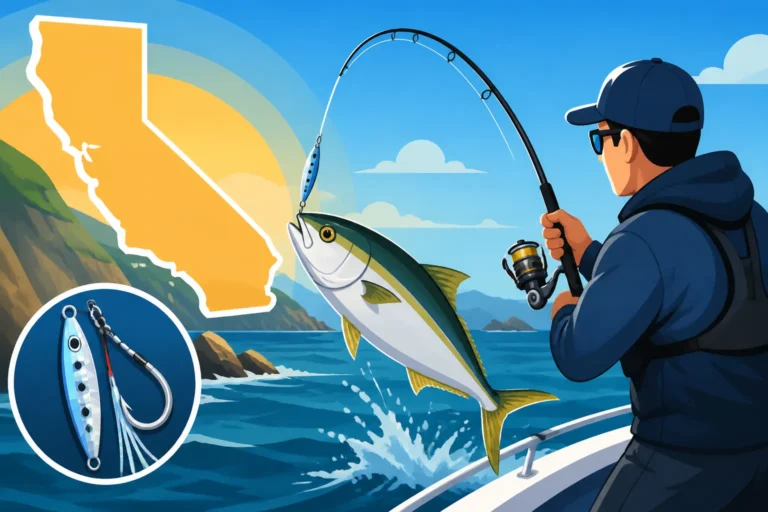
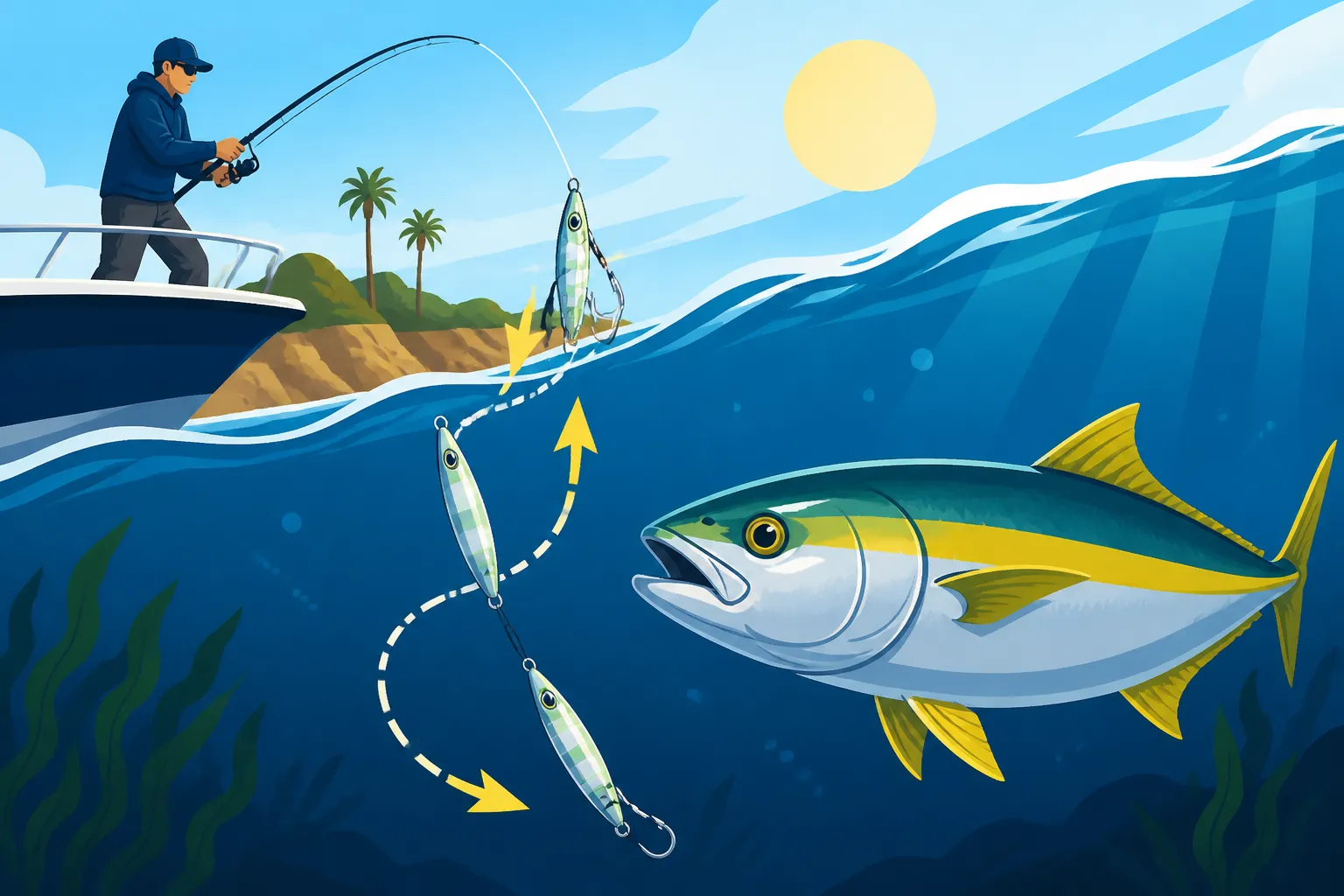
Yo-yo jigging is an aggressive, high-speed vertical jigging method particularly effective when yellowtail are holding deep, often around structure or schools of bait. Unlike surface iron or bait fishing, yo-yo jigging imitates a wounded or fleeing baitfish plummeting through the water column, triggering a predatory reaction strike from these fast-swimming predators. This technique shines when the fish are deeper than 60-70 feet, often suspending below the main bait ball or hugging the bottom around reefs or kelp beds. When you see those tight balls of bait on your fish finder, but no fish are coming to the surface, that's often the perfect scenario for deploying a yo-yo jig. The erratic, rapid action of the jig can penetrate deeper into the water column, getting down to the fish quickly and provoking a chase instinct that other methods might not. It's a method that demands attention and quick reflexes, but the rewards are well worth it.
Key Characteristics of Yellowtail
Yellowtail (specifically California Yellowtail, Seriola lalandi) are members of the jack family, recognized by their torpedo-shaped bodies, yellow fins, and a distinctive yellow stripe running horizontally along their sides. They are pelagic, meaning they live in the open ocean, but they frequently congregate around islands, kelp beds, and offshore banks where baitfish like sardines, anchovies, and mackerel are abundant. These fish are opportunistic feeders, preying on whatever is available, and their aggressive nature makes them prime candidates for reaction strikes. They are also highly migratory, with their presence in certain areas often dictated by water temperature, bait availability, and spawning cycles. Understanding these tendencies, such as when and where to find them, is crucial. For instance, knowing the current Best Season for Yellowtail in California can drastically improve your chances. They tend to be more active and aggressive in warmer water, often found from Santa Barbara down to the Baja California border, with prime spots around Catalina Island, San Clemente Island, and the Coronado Islands.
Essential Gear for Yo-Yo Jigging Success
Having the right tackle isn't just about catching fish; it's about being prepared for the fight a yellowtail will put up. Skimping on quality here can lead to heartbreak.
Choosing the Right Rod, Reel, and Line
For yo-yo jigging, you need a setup that can handle heavy jigs, provide the backbone to set the hook, and withstand the powerful surges of a yellowtail.
- Rods: Look for a stout, fast-action conventional rod in the 7 to 8-foot range, rated for 30-80 lb line. Brands like Phenix, Calstar, and Seeker are popular choices among West Coast anglers for their durability and sensitivity. The rod needs a strong butt section to apply pressure, but enough tip sensitivity to detect subtle bites and work the jig effectively. A good yo-yo rod will let you feel the jig's action all the way through the retrieve.
- Reels: A reliable conventional reel with a strong drag system and a fast retrieve ratio (6.0:1 or higher) is critical. Yellowtail can make incredibly powerful runs, and you need a drag that can handle it smoothly without seizing up. High-quality reels like the Shimano Tranx, Daiwa Lexa, or Penn Fathom are excellent options. The fast retrieve helps you quickly get the jig back to the surface after a missed strike or to keep up with a charging fish. You'll often find these readily available on platforms like Amazon.
- Line: Braided line is almost universally preferred for yo-yo jigging due to its zero stretch, which provides incredible sensitivity and allows for a solid hook set, even in deep water. Spool up with 50-80 lb braided line. A top shot of 6-10 feet of 40-60 lb fluorocarbon leader is essential for abrasion resistance and stealth. Fluorocarbon is nearly invisible underwater, which can make a big difference with finicky fish. Connect your braid to your fluorocarbon with a strong knot like an FG knot or an Albright knot.
Here’s a quick overview of suitable gear:
| Gear Component | Key Characteristics | Recommended Specs | Example Brands (for context) |
|---|---|---|---|
| Rod | Stout, Fast Action, Strong Butt | 7-8 ft, 30-80 lb rating | Phenix, Calstar, Seeker |
| Reel | Conventional, Strong Drag, Fast Retrieve | 6.0:1+ ratio, reliable carbon drag | Shimano Tranx, Daiwa Lexa, Penn Fathom |
| Main Line | Braided, Zero Stretch, High Sensitivity | 50-80 lb braid | PowerPro, Daiwa J-Braid, Sufix |
| Leader | Fluorocarbon, Abrasion Resistant, Stealthy | 6-10 ft, 40-60 lb fluorocarbon | Seaguar, Berkley Vanish |
Selecting the Perfect Yo-Yo Jigs
The effectiveness of your yo-yo jigging often comes down to the jig itself. These aren't your typical slow-pitch jigs; yo-yo jigs are heavy, compact, and designed to sink quickly and flutter erratically on the retrieve.
- Weight: Jigs typically range from 4 to 8 ounces, but sometimes heavier jigs up to 12 ounces are needed for deep water or strong currents. The goal is to get to the fish quickly.
- Color and Shape: Common colors include blue/white, sardine, dorado, chrome, and scrambled egg (yellow/orange). The best color often mimics the local baitfish. Popular shapes include Salas 6X, Tady 45, and Iron Man. These are designed with specific weight distribution to give them a lively, darting action when retrieved. Always check with local tackle shops or recent California Fishing Reports Explained to see what colors and styles are currently producing. Having a variety on hand is always a good idea, as yellowtail can be particular on any given day. You can find a wide selection of these jigs on Amazon or at local sportfishing stores.
Mastering the Yo-Yo Jigging Technique
Yo-yo jigging isn't just dropping a lure and reeling; it's a dynamic interplay of speed, rhythm, and anticipation.
The Drop, Retrieve, and Strike
This technique is all about quick action.
- The Drop: Once the captain marks fish on the sonar, quickly drop your jig straight down to the depth where the fish are holding, or all the way to the bottom if they are structure-oriented. Engage the reel just before the jig hits its target depth or the bottom to prevent tangles and ensure you're ready for an immediate retrieve. Keep a finger on the spool to feel for any taps or sudden stops – yellowtail will sometimes strike on the drop.
- The Retrieve: This is where the "yo-yo" comes in. Crank your reel as fast as humanly possible for 10-20 cranks, simultaneously sweeping your rod tip up and down in short, aggressive pumps. The combination of fast cranking and rod action makes the jig dart and swim erratically, mimicking a panicked baitfish. This high-speed retrieve is key to triggering reaction strikes. After 10-20 cranks, let the jig flutter back down a few feet on a semi-slack line, then repeat the fast retrieve. Some anglers prefer to crank all the way to the boat, while others will stop and drop the jig again after about 50-100 feet of retrieve if no bite occurs. Experiment to find what works best on a given day.
- The Strike: Yellowtail strikes on a yo-yo jig are usually violent and unmistakable. You'll feel a sudden, jarring thump as the fish engulfs the lure. When you feel that bite, keep cranking and sweep the rod upwards firmly to set the hook. Do not stop reeling! Continue to apply steady pressure and work the fish towards the boat. Remember, yellowtail are powerful, and they will try to run for structure or dive deep. Be ready to fight.
Reading the Conditions and Locating Yellowtail
Successful yo-yo jigging isn't just about technique; it's about being in the right place at the right time.
- Sonar Reading: Pay close attention to the boat's fish finder. Captains will often call out "Marks at 120!" or "Fish on the bottom!" This tells you exactly where to drop your jig. If you're on a party boat, listen to the deckhands and captain; they're your best resource. Seeing tight, dense schools of bait with larger, individual marks underneath is an ideal scenario.
- Water Temperature and Current: Yellowtail prefer warmer waters, typically above 60°F. Strong currents can make jigging challenging, but they also often concentrate baitfish, which in turn concentrates yellowtail. Adjust your jig weight accordingly to maintain vertical presentation in stronger currents. Sometimes, drifting over a structure or kelp patty in a current can be incredibly productive.
- Targeting Structure: Yellowtail frequently hold around kelp paddies, offshore banks, and high spots. These structures provide both cover and ambush points for baitfish. When targeting these areas, drop your jig right into the heart of the structure or along its edges. Be prepared for immediate strikes as the jig enters the strike zone. Many successful California Offshore Fishing Techniques revolve around structure fishing. Areas like the Channel Islands, Cortez Bank, and Tanner Bank are legendary for this kind of action.
- Bait Presence: No bait, no yellowtail. If you're not seeing bait on the surface or on the sonar, it's often a good indication that the yellowtail won't be far either. Birds diving are also a dead giveaway for bait activity and often, predatory fish below.
Top Spots and Seasons for Yo-Yo Jigging in California
Knowing when and where to drop your yo-yo jig can make all the difference. California offers fantastic opportunities, but timing is everything.
Prime California Locations for Yellowtail
California's long coastline and numerous offshore islands and banks provide ample opportunities for yellowtail.
- Southern California Islands: Catalina Island, San Clemente Island, and the Coronado Islands (just south of San Diego) are legendary yellowtail hotspots. These islands feature extensive kelp forests, rocky reefs, and deep-water structure that hold both bait and predators. A California Yellowtail Fishing Guide will almost always highlight these areas. Many charter boats departing from San Diego, like those from Fisherman's Landing or H&M Landing, make regular trips to these productive zones.
- Offshore Banks: Places like the Cortez Bank and Tanner Bank, located far offshore from San Diego, are renowned for producing large yellowtail, especially during peak seasons. These underwater mountains rise from thousands of feet of water, creating massive upwellings that bring nutrients and baitfish to the surface. Fishing these banks often requires longer trips, sometimes even overnight California Sportfishing Trips Explained.
- Local Coastal Areas: Depending on water temperature and bait movements, yellowtail can also be caught closer to shore, around prominent kelp beds or artificial reefs in areas like La Jolla, Dana Point, and Malibu. These spots might offer a good chance for those on shorter trips or private boats. When fishing these more accessible areas, ensure you understand the local California Saltwater Fishing Regulations regarding depths and specific no-take zones.
Understanding Yellowtail Seasons
While yellowtail can be caught year-round in some parts of Southern California, there are definite peak seasons when yo-yo jigging truly shines.
- Spring (April-June): As water temperatures begin to rise, yellowtail start moving north and become more active. This is often an excellent time for yo-yo jigging, especially around the islands and in deeper coastal waters. Early season fish tend to be aggressive after a winter of lower activity.
- Summer (July-September): This is generally considered prime time for yellowtail in California. Warm water conditions, abundant bait, and consistent migration patterns mean more fish are available and actively feeding. Offshore banks and islands are particularly productive during these months. This is also when you'll see a lot of tuna showing up, so you might be targeting How to Catch Bluefin Tuna off California on the same trip!
- Fall (October-November): The bite often remains strong into the fall as yellowtail feed heavily before colder winter waters. Weather can be more unpredictable, but some of the biggest fish of the year are often caught during this period.
- Winter (December-March): While fewer in number, yellowtail are still present, especially in the warmest southernmost waters around San Diego and the Coronado Islands. Yo-yo jigging can still be effective, but you might need to work harder for fewer bites, and fish tend to hold in deeper water.
Being flexible and paying attention to current California Fishing Reports Explained is always the best strategy. Captains and deckhands on the various California Fishing Charters: Complete Guide are always the most up-to-date source of information on where the fish are biting and what techniques are working.
Disclaimer
Fishing conditions, regulations, and fish behavior are subject to change. Always consult the latest California Department of Fish and Wildlife (CDFW) regulations before heading out. Safety should always be your top priority when on the water.