California Wild Trout Waters Rules
Isn't it frustrating when you just want to enjoy a peaceful day fishing for beautiful wild trout, only to feel like you need a law degree to understand the rules? California's wild trout waters are a true gem, offering incredible angling experiences, but they come with their own distinct set of regulations designed to protect these precious, self-sustaining populations. This guide is here to untangle the complexities, helping you navigate the unique rules that govern fishing in these special areas, ensuring you're both compliant and ready for an unforgettable trip.
Understanding California's Wild Trout Waters
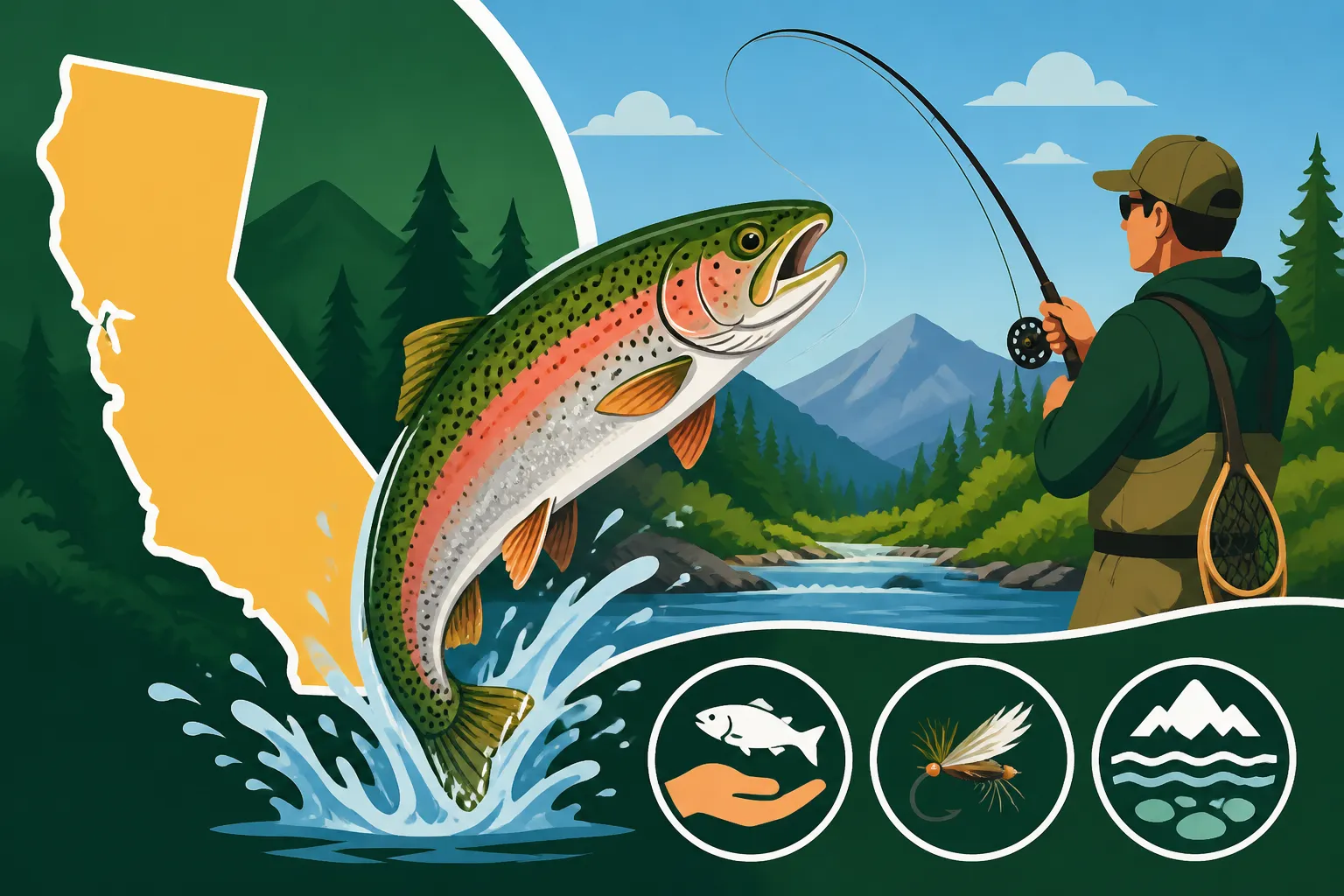
California is a state blessed with an incredible diversity of aquatic environments, from sprawling reservoirs to pristine alpine lakes and rushing rivers. Within this rich tapestry, certain areas are specifically designated as "Wild Trout Waters." These aren't just any old fishing spots; they're unique environments managed by the California Department of Fish and Wildlife (CDFW) to conserve, restore, and enhance populations of wild trout. What makes a trout "wild," you ask? Simply put, a wild trout is one that was born and raised naturally in its habitat, rather than being stocked from a hatchery. They're often more wary, vibrant in color, and a true testament to a healthy ecosystem.
The Philosophy Behind Wild Trout Designations
The very essence of wild trout waters comes down to preservation and natural sustainability. For many anglers, there's an undeniable allure to catching a fish that has survived and thrived entirely on its own, battling currents and outsmarting predators without any human intervention beyond habitat protection. These waters are managed with a hands-off approach to stocking, allowing the natural reproductive cycles of trout species like rainbow, brown, brook, and the iconic Golden Trout to flourish. The CDFW designates these areas specifically to maintain genetic diversity, ensure ecological balance, and provide a unique angling experience that emphasizes skill, conservation, and respect for nature. It's about letting nature do its thing, and then enjoying the fruits of that natural success in a very responsible way.
Common Misconceptions About Wild Trout Fishing
One of the biggest misconceptions out there is that "wild trout" simply means "remote." While many wild trout waters are found in rugged, less-accessible areas, especially in the high Sierra Nevada, the designation isn't about location; it's about management strategy and fish origin. Another common misunderstanding is that all wild trout waters are catch-and-release only. While many do feature strict catch-and-release rules to further protect populations, some wild trout waters might allow for limited harvest under very specific conditions, though typically with reduced bag limits and specialized gear requirements. It’s critical to always check the most current regulations for the specific section of water you plan to fish, as rules can vary drastically even within the same river system. Think of it like this: just because it's a beautiful, remote river doesn't automatically mean you can't keep a fish or two, but it's far more likely you'll face tighter restrictions than in a heavily stocked lake.
Navigating Specific Regulations for Wild Trout Waters
When you're heading out to fish California's wild trout waters, the rules can feel a bit more stringent and require closer attention than your average fishing trip. These regulations are meticulously crafted to ensure the long-term health and vitality of these delicate ecosystems. It’s not just about what you catch, but how you catch it, and how you interact with the environment. Understanding these specific guidelines is paramount for a successful and ethical experience.
Gear and Bait Restrictions
The most significant differences you'll encounter in wild trout waters often revolve around gear and bait. To minimize harm to fish and prevent the introduction of non-native species or diseases, many wild trout sections impose strict "artificial lures and flies only" rules. This means no live bait, no powerbait, no salmon eggs, and essentially nothing that's not tied or molded by human hands. Furthermore, you’ll frequently find a "barbless hooks only" mandate. Barbless hooks are essential for catch-and-release fishing because they allow for quick and easy removal from a fish’s mouth, significantly reducing tissue damage and stress. Even if you don't buy specialized barbless hooks, you can often crimp down the barb on your existing hooks with a pair of pliers – a simple step that makes a huge difference.
Beyond hooks and bait, some areas might even have line weight restrictions or prohibit certain types of attractants. The idea is to make the fishing a bit more challenging and to ensure that fish have the best chance of survival after being caught and released. If you're planning a trip, definitely double-check the California Artificial-Lures-Only Waters or California Fly-Fishing-Only Waters sections of the regulations to be fully prepared. Having the right gear, like a selection of quality flies or small spinners and spoons, is key. Many anglers find excellent selections of these specialized items on Amazon, allowing them to prepare adequately before hitting the road.
Catch and Release Practices and Limits
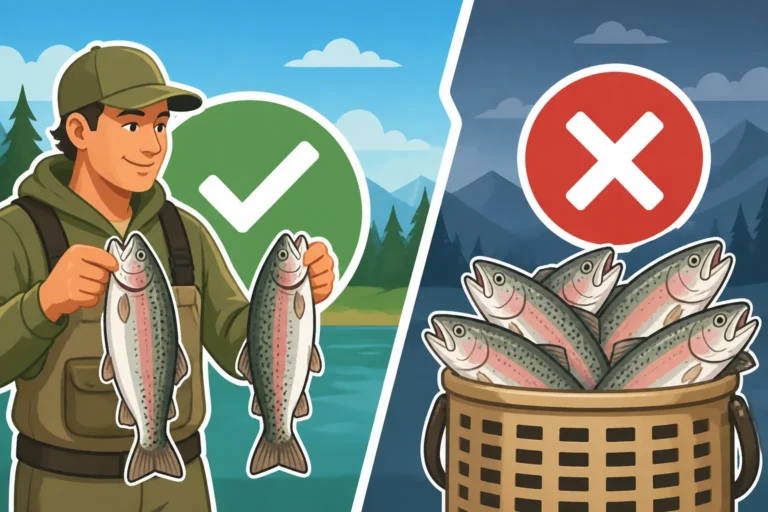
While some wild trout waters do permit limited harvest, the general ethos leans heavily towards California Catch-and-Release Rules. Even in areas where you can keep fish, the bag limits are almost always significantly lower than in stocked waters, and size limits may be more restrictive, sometimes creating a "slot limit" where only fish within a certain size range can be kept. For instance, you might find a regulation that says "two trout, 10-12 inches" meaning you can only keep two fish, and they must fall within that specific length. This protects both the younger fish and the larger, more prolific breeders.
When practicing catch and release, technique is crucial. Minimize the time the fish is out of water, handle it gently with wet hands, and use a net designed for fish health (like a rubberized net) to avoid stripping off their protective slime layer. If a fish is bleeding or appears seriously injured, and local regulations allow for harvest, it's often more ethical to keep it rather than release it to die. Always check the current California Trout Regulations and Limits for the specific water body you are visiting, as they can change annually.
Obtaining Your California Fishing License
Before you even think about casting a line in any California water, wild trout or otherwise, you need to make sure your fishing license is in order. It's a fundamental requirement, and getting caught without one can lead to hefty fines. The process for getting a California Fishing License Guide is straightforward, whether you're a resident or a visitor. You can purchase them online through the CDFW website, at most sporting goods stores like Big 5 Sporting Goods or Bass Pro Shops, or from many independent tackle shops across the state.
License Types and Requirements
For most wild trout fishing, a standard annual sport fishing license will cover you. However, depending on where you plan to fish and for what species, you might also need additional report cards or endorsements. For example, if you happen upon a Steelhead, you'll need a California Steelhead Report Card. While these are less common in typical wild trout streams which focus more on resident trout, it's always good to be aware. Non-residents have specific California Fishing License Requirements for Visitors which often involve slightly higher fees but grant the same angling privileges. Remember, your license year runs from January 1st to December 31st, so always ensure yours is current before you head out. Don't let a simple oversight ruin your fishing day!
Key Wild Trout Destinations and Their Unique Rules
California's wild trout waters are scattered across the state, each offering its own unique charm, challenges, and, of course, regulations. From the high-altitude serenity of the Sierra Nevada to the rugged beauty of North Coast rivers, these spots are a testament to the state's incredible biodiversity. Knowing where these gems are and what specific rules apply to them is crucial for any angler.
Eastern Sierra's Iconic Wild Trout Streams
When most people think of wild trout in California, their minds immediately drift to the Eastern Sierra. This region, nestled against the magnificent Sierra Nevada mountain range, is truly the epicenter of wild trout fishing in the state. Rivers like the Owens River, East Walker River, and the various creeks flowing into the mighty Crowley Lake, are renowned for their robust populations of wild brown and rainbow trout. Many sections of these rivers are designated "Special Regulation Waters" specifically for wild trout.
For instance, the Upper Owens River, particularly above Crowley Lake, is famous for its wild brown trout, and it often has very specific seasons, artificial lure/fly only rules, and barbless hook requirements, often allowing for extremely limited or no harvest. The East Walker River, near Bridgeport, is another prime example, with certain sections managed as a trophy wild trout fishery, imposing stringent catch-and-release rules with artificial lures and barbless hooks only. Even within the Eastern Sierra Fishing Guide itself, regulations can change from one bridge crossing to the next or at specific landmarks. It's not uncommon for a section of river to be open year-round for catch-and-release with artificials, while a quarter-mile downstream, it might be closed entirely or have different rules. Always consult the official CDFW regulations booklet or online guide for the most up-to-date information for your chosen stretch of water.
North Coast and Inland Wild Trout Fisheries
While the Eastern Sierra gets a lot of the spotlight, California's North Coast rivers and various inland waters also harbor significant wild trout populations, particularly steelhead and resident rainbows. Rivers such as the Trinity River, Klamath River, and Eel River are renowned for their steelhead runs, which are essentially anadromous rainbow trout that migrate to the ocean and return to spawn. These fisheries often have extremely complex regulations that consider the delicate balance of migrating fish, native species protection, and general trout angling.
In these coastal and northern Best Rivers to Fish in California, you'll find regulations that change not just by location but also by season, often distinguishing between summer and winter steelhead runs. Gear restrictions are common, including barbless hooks, artificial lures, and sometimes even single-point hook limits. Additionally, many of these rivers feature sections designated as "wild trout" or "special regulation" zones, where specific daily bag and size limits for trout will apply, usually much stricter than general statewide regulations. For example, some stretches of the Trinity River have very specific rules for fishing for wild rainbows and brown trout, separate from the steelhead regulations. It's a lot to keep track of, but the rewards of a truly wild fish are well worth the effort of understanding the nuances.
High Sierra Alpine Lakes and Remote Streams
Beyond the more accessible rivers, California's vast wilderness areas, particularly within national parks and national forests, are home to countless alpine lakes and remote streams that are textbook wild trout waters. These are often accessible only by backpacking, offering solitude and pristine fishing opportunities for brook, rainbow, and the stunning California Golden Trout Explained. These high-altitude environments are typically not stocked, relying entirely on natural reproduction.
The regulations in these remote areas are often less restrictive regarding gear (though artificials and barbless hooks are always a good practice for preservation), but more focused on environmental impact and access. Some specific lakes or lake groups might have their own special rules, particularly if they hold endangered species or unique genetic strains of trout. Given the rugged nature of these areas, checking regulations before you embark on a multi-day backpacking trip is paramount. You certainly don't want to hike ten miles in only to realize your fishing plans are non-compliant. A detailed map and a current copy of the California Fishing Regulation Booklet Explained are indispensable companions for these remote adventures.
Preparing for a Responsible Wild Trout Fishing Trip
A successful and ethical wild trout fishing trip goes far beyond just knowing the rules; it requires thoughtful preparation and a commitment to responsible angling practices. These pristine environments are fragile, and every angler plays a role in their preservation. By taking a few extra steps before and during your trip, you can ensure you leave no trace and help maintain these incredible fisheries for generations to come.
Essential Gear for Wild Trout Angling
Having the right gear is crucial for both success and compliance in wild trout waters. Since many of these areas restrict bait, your focus will largely be on artificial lures and flies. For fly fishing, a lightweight rod (3-5 weight) with a matching reel and line is usually perfect for the average-sized wild trout you'll encounter. A selection of dry flies, nymphs, and streamers, often found in specialized fly shops or easily ordered from Amazon, will cover most conditions. Always make sure your hooks are barbless, or crimp them down.
If spinning gear is your preference, pack light to ultra-light rods and reels with thin monofilament or fluorocarbon lines. Small spinners (like Panther Martins, Mepps, or Rooster Tails) and tiny spoons (like Kastmasters or Thomas Buoyants) are often effective. Again, ensure all hooks are barbless. Beyond your rod and reel, consider a good pair of polarized sunglasses for spotting fish and protecting your eyes, a wide-brimmed hat, sunscreen, and insect repellent. A high-quality net with a rubberized basket is also essential for gentle catch and release. Many anglers find durable, packable wading boots, which you might find on Amazon, to be invaluable for safely navigating rocky stream beds.
Practicing Ethical Angling and Conservation
Ethical angling in wild trout waters boils down to minimizing your impact and maximizing the fish's chance of survival. Beyond using barbless hooks and handling fish gently with wet hands, avoid dragging fish onto dry land or rocks. If you must take a photo, do it quickly with the fish mostly submerged or just above the water for a brief moment. Remember that these wild fish are much more sensitive to stress than hatchery-raised trout.
Beyond the fish themselves, practice Leave No Trace principles. Pack out everything you pack in, including all trash, fishing line scraps, and any discarded bait containers. Stay on designated trails when possible to avoid trampling delicate stream banks and vegetation. Be mindful of spawning redds (fish nests) during spawning seasons; avoid wading through or disturbing these areas. Respect other anglers and give them plenty of space. By adhering to these principles, you contribute to the ongoing health of the fishery and ensure a pleasant experience for everyone.
Accessing Up-to-Date Information and Resources
The regulations for California Freshwater Fishing Regulations can change, sometimes unexpectedly, due to environmental factors like drought, fire, or conservation efforts. Relying on outdated information can lead to inadvertent violations. The best resource for current regulations is always the official California Department of Fish and Wildlife (CDFW) website or their annual Sport Fishing Regulations booklet. You can download a digital copy, which is great to have on your phone, or pick up a physical copy at any license agent.
Additionally, local tackle shops and fishing guides are invaluable sources of hyper-local knowledge. They often know about recent regulation changes, specific hot spots, and effective patterns or lures for the current conditions. Websites like Western Outdoor News or The Trout Unlimited California Council can also provide great insights and news relevant to wild trout fishing. Before any trip, make it a habit to cross-reference multiple sources, including a copy of a detailed fishing map, perhaps one you ordered from Amazon, to mark specific regulation boundaries. This proactive approach ensures you're always fishing within the rules and making the most of your adventure.
| Regulation Aspect | General California Trout Waters | California Wild Trout Waters (Common) |
|---|---|---|
| Bait/Lure Type | Live bait, artificial lures, flies (unless otherwise specified) | Artificial lures and flies ONLY |
| Hook Type | Barbed or barbless | Barbless hooks ONLY |
| Bag Limit | Typically 5 trout (some exceptions) | 0-2 trout, often with specific size limits |
| Size Limit | Often no minimum (e.g., 5 fish of any size) | Specific minimums (e.g., 10 inches) or slot limits (e.g., 10-12 inches) |
| Catch & Release | Encouraged, but often not mandatory | Often mandatory, or highly emphasized |
| Season | Year-round in many stocked waters | Specific opening/closing dates, often shorter seasons |
| Purpose | Recreational harvest, put-and-take | Conservation, natural reproduction, quality angling |
Disclaimer
The information provided in this guide is intended for general informational purposes only and is subject to change. Fishing regulations in California are complex and can vary significantly by location, species, and time of year. Always consult the official California Department of Fish and Wildlife (CDFW) regulations booklet or their official website for the most current and accurate rules before engaging in any fishing activity. Failure to do so may result in penalties.