Saltwater Fish of California: What to Catch
There's nothing quite like the rush of the ocean breeze, the salt spray on your face, and the anticipation of a tug on your line. But let's be honest, trying to figure out which fish are even swimming in California's vast, dynamic saltwater playground, let alone how to catch them, can feel utterly overwhelming. This comprehensive guide is here to cut through the confusion, helping you understand the incredible diversity of saltwater species found along our coast and giving you the inside scoop on how to target them successfully.
The Allure of California's Saltwater Fishing
California's coastline is a angler's dream, stretching for over 840 miles and offering an incredible variety of fishing experiences. From the frigid, nutrient-rich waters of the north to the warmer, kelp-lined reefs of the south, this state truly has it all. It’s not just about catching fish; it’s about connecting with nature, embracing the thrill of the chase, and sometimes, bringing home some fantastic table fare.
A Diverse Coastal Ecosystem
Our Pacific waters are home to an astonishing array of marine life, thriving in a multitude of habitats. You've got everything from expansive sandy beaches perfect for surf fishing, to towering kelp forests teeming with life, rocky reefs, deep offshore canyons, and even open ocean zones where pelagic species roam. This ecological diversity means that depending on where you drop your line, you could be hooking into anything from a tiny perch to a massive tuna. It’s this very richness that keeps anglers coming back, always a new challenge, a new species to discover, and a new personal best to chase. Each ecosystem dictates not only what fish you’ll find but also the optimal techniques and gear you'll need, making every trip a unique learning experience.
The cool California Current, flowing southward, brings cold, nutrient-rich water that fuels a vibrant food web, particularly in the central and northern parts of the state. Further south, the influence of warmer currents and the presence of offshore islands create conditions favorable for more subtropical species. This blend of environments is what truly sets California apart, providing fishing opportunities that few other states can match. Understanding these different zones is the first step to becoming a truly successful saltwater angler here.
Year-Round Opportunities
One of the greatest joys of fishing in California is that it's rarely "off-season" for everything. While specific species have their peak times, there's almost always something biting somewhere along the coast, which is a huge relief when you've got that fishing itch. For example, during the cooler winter months, bottom fishing for rockfish and lingcod can still be incredibly productive in certain areas. As spring arrives, the inshore bite for halibut might pick up, while offshore, the first signs of migratory pelagic species like yellowtail and tuna start appearing.
Summer is, of course, prime time for many of the most sought-after game fish, with warmer waters drawing in huge schools. Then, as fall rolls around, many of these species remain active, sometimes even hitting harder as they feed aggressively before the colder weather sets in. This constant rotation of opportunities means you don't have to pack away your gear for months; you just need to adjust your target species and locations. It means every month can offer a new adventure, from chasing elusive white seabass in spring to battling bluefin tuna in late summer and fall.
Tackling the Unknown
Let's be real, the sheer volume of information (and sometimes misinformation) out there can be a bit paralyzing. Knowing where to start, what regulations apply, what gear you actually need versus what looks cool, and how to identify your catch can be daunting. Many aspiring anglers get discouraged because they're unsure if they even need a California Fishing License Guide or how to navigate the complex California Saltwater Fishing Regulations. This often leads to missed opportunities or, worse, unintended violations.
The "unknown" isn't just about regulations; it's about understanding fish behavior, water conditions, and adapting your tactics on the fly. You might have a plan for halibut, but if the conditions aren't right, knowing what other species might be active and how to switch gears can save your day. My goal here is to demystify these aspects, providing clear, actionable insights so you can approach your next saltwater fishing trip with confidence and excitement, rather than apprehension. We're going to break down the most popular catches, the gear you'll want, and the best times to go so you can focus on the fun part: fishing!
Key Saltwater Species and What Makes Them Special
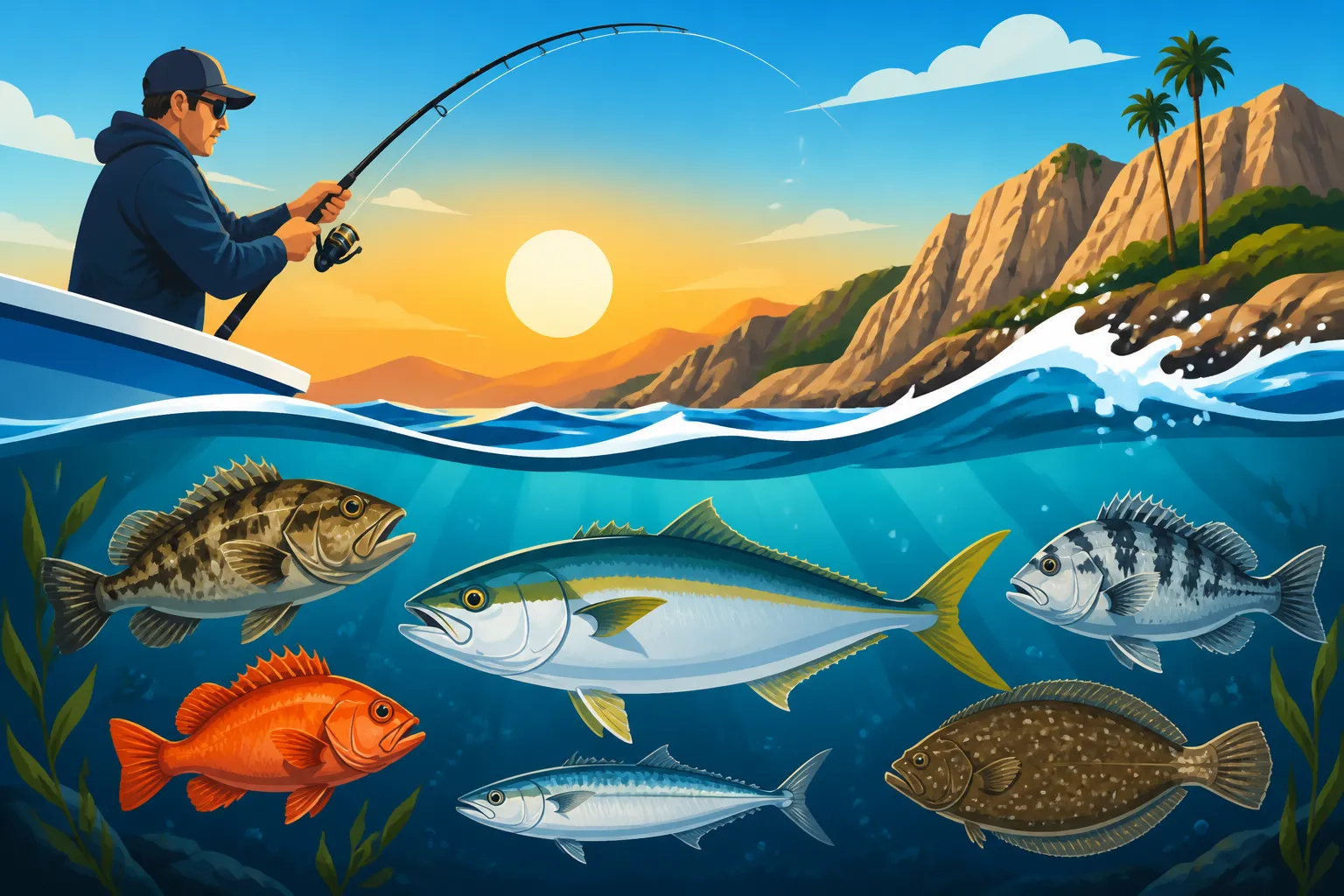
California boasts an incredible variety of saltwater fish, each with its own characteristics, preferred habitats, and fighting styles. Getting to know these species is half the fun and will significantly improve your chances of a successful trip.
Yellowtail and Bluefin Tuna: The Pelagic Powerhouses
Ah, the pelagics! These are the kings and queens of the open ocean, known for their incredible speed, power, and often, their delicious table fare. When you hear anglers talking about "long-range trips" or offshore excitement, they're usually chasing these magnificent creatures.
Yellowtail, or Seriola lalandi, are absolute freight trains on a line. Found primarily in Southern California waters, especially around offshore islands like the Channel Islands and Catalina, as well as below Point Conception, these powerful game fish are renowned for their aggressive strikes and brutal, head-shaking runs. They often congregate around kelp paddies, offshore banks, and even nearshore structures, especially during warmer water periods, typically from late spring through fall. A good 20-40 lb test setup is usually the go-to, matched with live bait like sardines or mackerel, or hard-fighting lures. They put up a fight that will test your tackle and your stamina, making every hook-up an adrenaline-fueled memory.
Bluefin Tuna, Thunnus orientalis, are on another level entirely. These highly migratory apex predators have become a major draw for Southern California anglers in recent years, with some absolute giants showing up closer to shore than ever before. Known for their incredible speed and stamina, bluefin can strip hundreds of yards of line off your reel in seconds. They are often targeted offshore, sometimes hundreds of miles out, but can also be found within sight of land, especially when chasing baitfish. Their season typically runs from late spring through early winter, but this can vary greatly year to year based on ocean conditions. When you're targeting bluefin, you need serious gear – heavy conventional outfits, strong braided line, and fluorocarbon leaders are a must. Techniques range from casting heavy jigs and poppers to slow-trolling live bait or even kite fishing for the truly massive ones. Landing one of these giants is often a once-in-a-lifetime experience for many. For more specific tactics, check out our guide on How to Catch Bluefin Tuna off California.
California Halibut and Lingcod: Bottom-Dwelling Delights
Moving closer to the coast and down into the depths, we find some equally exciting but different kinds of game fish that call the seafloor home. These species often require a more patient approach but reward anglers with superb eating quality.
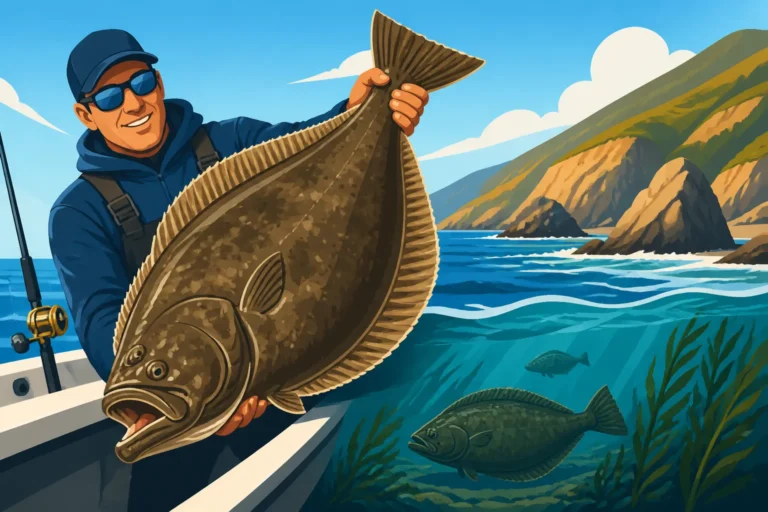
The California Halibut, Paralichthys californicus, is a flatfish supreme, known for its delectable white meat and deceptive strength. They are ambush predators, often burying themselves in sandy or muddy bottoms, waiting to strike at passing baitfish. You can find them in bays, estuaries, nearshore beaches, and up to about 200 feet of water, especially in Southern and Central California. Their peak season is generally spring through fall, though they can be caught year-round. Live anchovies, sardines, or mackerel are deadly, as are swimbaits and grub-style lures. Drift fishing with live bait or bouncing a leadhead jig with a plastic grub along the bottom are classic techniques. Just remember, they have very specific California Halibut Size and Bag Limits, so always measure your catch!
Lingcod, Ophiodon elongatus, are prehistoric-looking, toothy predators that are a favorite target for bottom fishermen, particularly in Central and Northern California, but also in rocky areas throughout the state. They love rocky reefs, kelp forests, and wrecks, ambushing anything from crabs to rockfish. These fish fight hard with powerful head shakes and often try to dive back into structure, making for a challenging retrieve. Their season is usually open year-round with some depth restrictions, and they are particularly active in cooler months. Jigs, swimbaits, and live or dead bait (like mackerel or squid) are effective. Heavy-duty conventional gear is recommended to muscle these brutes away from the rocks. They’re excellent eating, but those teeth demand respect!
Rockfish and Calico Bass: Reef Rulers
For anglers who love fishing structure and want consistent action, rockfish and calico bass are incredible targets. They're accessible from party boats, kayaks, and even some shore spots, offering a different kind of thrill.
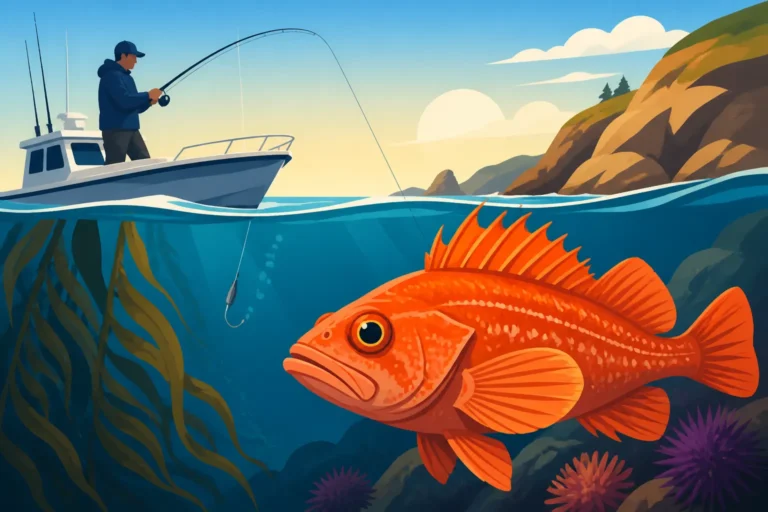
California is home to a vast array of Rockfish species, Sebastes spp., from the colorful vermilion and copper rockfish to the feisty bocaccio and chilipepper. These fish are typically found around rocky reefs, kelp beds, and offshore structures, from shallow waters down to several hundred feet deep. Their seasons and depth limits vary significantly by region and year, so it's crucial to consult the California Rockfish Depth Restrictions before you go. Generally, they are targeted using jigs, cut bait, or shrimp flies fished on dropper loops. They're not the fastest fighters, but they provide consistent action and are truly delicious. A medium-heavy rod with 30-50 lb braided line is a good all-around setup for targeting a variety of rockfish.
Calico Bass, Paralabrax clathratus, also known as Kelp Bass, are quintessential Southern California game fish. They thrive in and around kelp forests and rocky reefs, ambushing baitfish with aggressive strikes. Calicos are beloved for their hard, scrappy fights, often pulling anglers into the thick kelp, demanding quick reflexes and precise rod work. They are predominantly caught using artificial lures like swimbaits, plastics on leadheads, or surface iron, but also respond well to live bait. Their season is generally open year-round, making them a reliable target for many anglers, particularly those fishing from kayaks, private boats, or even from shore in prime kelp locations. They are an absolute blast to catch and are often pursued in a catch-and-release fashion to preserve their populations.
White Seabass and Barracuda: Elusive and Exciting Catches
These two species offer a mix of ghost-like elusiveness and explosive, slashing strikes, keeping anglers on their toes.
The White Seabass, Atractoscion nobilis, is considered a trophy fish by many California anglers. These large members of the croaker family are known for their incredibly tasty white meat and powerful, deep runs. They are often found lurking around kelp beds, rockpiles, and submarine canyons, especially when squid, their primary forage, are abundant. Their bite can be notoriously finicky and unpredictable, making every capture a significant achievement. Live squid is by far the most effective bait, though they can also be caught on large swimbaits or jigs when they are actively feeding. The best seasons are typically spring and early summer when squid are spawning. A medium-heavy conventional or spinning outfit with 30-50 lb line and a fluorocarbon leader is standard.
Barracuda, Sphyraena argentea, are the "wolves of the sea" – long, slender, and equipped with a mouth full of razor-sharp teeth. They are incredibly aggressive predators, often found patrolling the surface or just below, especially around bait schools, kelp edges, and offshore banks, primarily in Southern California. Barracuda are known for their explosive, slashing strikes and energetic fights, leaping and thrashing at the surface. They are a blast to catch on light tackle and provide exciting action, especially during warmer months. Iron jigs, topwater lures, and fast-trolled tube lures are highly effective. Due to their sharp teeth, a wire or heavy fluorocarbon leader is often necessary to prevent bite-offs. While not everyone's top choice for eating, smaller 'cudas are decent, especially smoked or deep-fried.
| Species | Typical Habitat | Primary Season | Common Baits/Lures | Fight Style | Avg. Size (lbs) |
|---|---|---|---|---|---|
| Yellowtail | Kelp beds, offshore banks | Late Spring – Fall | Live bait (sardines), jigs, poppers | Fast, powerful runs, head shakes | 10-30 |
| Bluefin Tuna | Open ocean, offshore banks | Late Spring – Early Winter | Live bait, heavy jigs, poppers | Long, brutal runs, immense stamina | 20-200+ |
| California Halibut | Sandy/muddy bottoms | Spring – Fall | Live bait (anchovies), swimbaits, grubs | Strong initial run, deep dives | 5-20 |
| Lingcod | Rocky reefs, kelp, wrecks | Year-round (depth limits) | Jigs, swimbaits, live/dead bait | Powerful head shakes, dives to rock | 10-40 |
| Rockfish (various) | Rocky reefs, kelp beds | Year-round (seasonal/depth) | Jigs, cut bait, shrimp flies | Steady pull, good table fare | 1-10 |
| Calico Bass | Kelp forests, rocky reefs | Year-round | Plastics on leadheads, swimbaits, surface | Scrappy, pulls into kelp | 2-8 |
| White Seabass | Kelp beds, canyons, rocks | Spring – Early Summer | Live squid, large swimbaits, jigs | Deep, powerful runs, elusive | 20-60+ |
| Barracuda | Surface, kelp edges, bait | Spring – Fall | Iron jigs, topwater lures, tube lures | Explosive strikes, acrobatic | 3-10 |
Essential Gear for California Saltwater Species
Having the right equipment can make or break your saltwater fishing experience. While you don't need to empty your wallet to get started, investing in quality gear appropriate for the species you're targeting will pay dividends in success and enjoyment. Many anglers find great deals on reliable setups by searching on Amazon.
Rods, Reels, and Line for Different Fish
Choosing the right rod and reel combination is paramount. For general inshore fishing targeting species like smaller rockfish, calico bass, or halibut in bays, a medium-action spinning rod (7-8 feet) paired with a 3000-5000 size spinning reel spooled with 20-30 lb braided line is a versatile choice. This setup offers enough backbone for decent fights but is light enough to be enjoyable. For those targeting larger rockfish or lingcod offshore, or deeper halibut, a medium-heavy conventional rod (6.5-7.5 feet) with a star-drag reel (like a Penn Fathom or Daiwa Saltist) spooled with 40-65 lb braid is more appropriate, offering greater leverage and line capacity.
When you step up to serious game fish like yellowtail or bluefin tuna, your gear needs to get significantly heavier. For yellowtail, a strong conventional setup with a 30-40 lb rating (like a Seeker or Phenix rod) paired with a high-quality lever-drag reel (e.g., Accurate, Shimano Talica) spooled with 50-80 lb braided line and a matching fluorocarbon leader is common. Bluefin tuna, especially the larger ones that frequent our waters, demand heavy-duty conventional gear – often 80-130 lb outfits – with reels capable of immense drag pressure and line capacity. Brands like Shimano Stella, Daiwa Saltiga, or Avet offer reels that can handle the raw power of these pelagics. Always match your rod's rating to your line and your target species to ensure you're balanced and effective.
The type of line you use also plays a huge role. Braided line has become incredibly popular due to its thin diameter, incredible strength, and zero stretch, which translates to superior sensitivity and powerful hooksets. However, braid is highly visible to fish, so it's almost always paired with a fluorocarbon leader, which is nearly invisible underwater. The leader length can vary from a few feet to over ten feet, depending on conditions and the target species. Monofilament line still has its place, especially for its stretch which can be advantageous when fishing with live bait or for shock absorption. Always consider the species and conditions when selecting your line and leader.
Baits and Lures That Get Bites
Fish can be picky eaters, and having a variety of baits and lures can be the key to success. For many saltwater species, live bait is king. Sardines, anchovies, and mackerel are gold for yellowtail, white seabass, halibut, and even smaller tuna. Getting fresh live bait often means a stop at a bait barge or using a cast net/sabiki rig. Dead bait like squid, cut mackerel, or anchovies can also be incredibly effective, especially for bottom fish like rockfish and lingcod, or when drift fishing for halibut.
Artificial lures offer versatility and can often outfish bait when fish are aggressive. Jigs, whether heavy metal "iron" jigs for yellowtail and barracuda, or leadhead jigs tipped with soft plastic grubs for rockfish and halibut, are staples. Swimbaits, both hard and soft plastic, imitate baitfish and are excellent for calico bass and halibut. Surface poppers and stickbaits create commotion on the water, enticing explosive strikes from yellowtail and bluefin. Trolling lures, like diving plugs or rigged plastics, are essential for covering ground and attracting migratory species. Having a selection of colors and sizes is crucial, as fish preferences can change throughout the day.
Don't forget the power of "match the hatch." If you see fish feeding on a particular type of baitfish, try to present a lure or bait that closely mimics that forage in size, shape, and color. For example, if you're fishing for yellowtail and they're busting on small anchovies, a small, chrome-colored spoon might be more effective than a large, brightly colored jig. Similarly, if there's a squid spawn, live squid or a squid-imitating lure will often be irresistible to white seabass. Keep an eye on the water and ask what the local fish are eating.
Terminal Tackle and Accessories
Terminal tackle refers to everything at the "terminal" end of your fishing line: hooks, swivels, weights, and leaders. Having a well-stocked tackle box is non-negotiable. Circle hooks are a must for live bait fishing, as they promote jaw hookups, reducing gut hooking and increasing survival rates for released fish. Ensure you have a range of hook sizes to match your bait and target species. Swivels, particularly ball-bearing swivels, prevent line twist when using spinning lures or when fish fight aggressively.
Weights, or sinkers, come in various shapes and sizes. Pyramid sinkers and cannonball sinkers are common for bottom fishing, while sliding egg sinkers are often used for Carolina rigs with live bait. Always carry a selection to adapt to different depths, currents, and fishing styles. Don't forget pliers, a good set of braid scissors, a fish gripper, and a net. A sturdy cooler with ice is essential for keeping your catch fresh, and a fillet knife for processing your fish responsibly. For those who frequently switch between different setups or need a compact way to carry small essentials, a waterproof tackle box from a brand like Plano or a specialized fishing backpack found on Amazon can be a lifesaver.
Beyond the basics, think about comfort and safety. Sunscreen, a wide-brimmed hat, polarized sunglasses, and proper fishing attire (layers are key!) will make your day much more enjoyable. A first-aid kit, a marine radio (if on a boat), and a personal flotation device are also critical safety items. Investing in a good quality fish scale can also be rewarding for bragging rights, while a tape measure helps ensure your catch meets California Fishing Bag and Size Limits.
Best Seasons and Locations for Saltwater Action
Understanding when and where to fish is just as important as knowing what to fish for. California's vast coastline offers distinct seasonal patterns and hotspots for various species.
Seasonal Peaks for Popular Species
California's dynamic ocean environment means that fishing success often hinges on seasonality. For instance, the spring months (March-May) are fantastic for California halibut, especially in the bays and nearshore areas of Southern and Central California as they move into shallower waters to spawn. This is also when the first white seabass might start showing up, often signaling the start of the squid spawn. California Fishing in Spring can be an incredibly productive time for many species.
As summer (June-August) hits, things really heat up offshore. This is prime time for migratory pelagics like yellowtail, dorado (mahi-mahi), and the increasingly popular bluefin tuna in Southern California. Kelp paddies become magnets for these fish. Nearshore, calico bass are active in the kelp, and barracuda provide explosive action. Up north, salmon season might be in full swing, depending on regulations. California Fishing in Summer offers some of the most exciting and diverse opportunities.
Fall (September-November) often sees some of the best fishing of the year. The water remains warm, and many pelagic species, particularly tuna and yellowtail, are feeding aggressively before migrating south. Striped bass make their presence known in central and northern California estuaries and surf zones. Rockfish and lingcod fishing can also be excellent as they feed heavily. Even a month like California Fishing in October: What to Catch can produce some amazing trips.
Finally, winter (December-February) brings cooler waters, but it doesn't mean the fishing stops. Bottom fishing for rockfish and lingcod remains a consistent option, especially in areas with deeper water. Opportunities for Dungeness crab and spiny lobster are also popular in winter months. While some species become less active, others become more accessible. For a full breakdown, check out our California Fishing Seasons: Month-by-Month Guide.
Top Spots Along the California Coast
California is blessed with iconic fishing destinations from north to south. In Southern California, the offshore waters from San Diego up to Ventura are world-renowned for their tuna, yellowtail, and dorado fishing. Places like Point Loma, Mission Bay, and Dana Point are major hubs for sportfishing charters. The Channel Islands (Catalina, San Clemente, Santa Cruz) are legendary for their calico bass, yellowtail, and white seabass. For pier fishing, Santa Monica Pier, Oceanside Pier, and San Clemente Pier offer good access to halibut, mackerel, and various surf species. Our guide to Best Saltwater Fishing Spots in California dives into even more detail.
Moving into Central California, the Monterey Bay area is famous for its productive waters. Monterey and Santa Cruz offer excellent opportunities for rockfish, lingcod, and salmon when the season is open. Deeper water around the canyon edges can hold impressive groundfish. Further north, San Francisco Bay offers unique opportunities for striped bass and halibut within the bay itself, while outside the Golden Gate, anglers target salmon, rockfish, and lingcod. The San Francisco Bay, with its unique currents and structure, is a fantastic fishery.
The North Coast, stretching from Bodega Bay to Crescent City, provides a rugged, wild fishing experience. This region is famous for its salmon, steelhead, and robust rockfish and lingcod populations. Rivers here, like the Eel and Klamath, are key for anadromous species entering freshwater. The offshore reefs and structure provide phenomenal bottom fishing, albeit often in more challenging conditions.
Understanding Tides and Structure
Successful saltwater fishing isn't just about showing up; it's about understanding the nuances of the ocean. Tides play a critical role, especially inshore and in bays. Moving water, whether an incoming or outgoing tide, often stimulates fish feeding activity by concentrating baitfish or washing food particles into their strike zones. For instance, many anglers target halibut during the change of tides, particularly the outgoing tide in bays, as bait is flushed out and halibut position themselves to ambush. The strength and direction of the current also dictate how you'll fish, influencing your weight choices and bait presentation.
Structure is another key element. "Structure" can mean anything from natural rock reefs, kelp beds, and submerged canyons to artificial reefs, wrecks, and even pier pilings. Fish, especially predatory species, use structure for ambush points, protection, and as areas where baitfish congregate. Learning to "read" the ocean – understanding how currents interact with structure, where kelp beds are, or identifying baitfish on your fish finder – will dramatically improve your success. Offshore, temperature breaks and current lines can also act as "structure," creating invisible highways for pelagic species. Paying attention to these subtle clues, along with How to Read California Fishing Reports, will give you a significant edge on the water.
Navigating Regulations for Saltwater Anglers
California's fishing regulations are designed to manage and protect our precious marine resources, ensuring healthy fish populations for future generations. However, they can be incredibly complex and change frequently, which is a major source of frustration for anglers. It's not enough to just buy a license; you need to understand the nuances.
General Saltwater License and Report Card Requirements
Before you even cast a line in California's saltwater, you absolutely need a valid California fishing license. This applies to almost everyone 16 years of age or older. You can purchase one online through the California Department of Fish and Wildlife (CDFW) website, or in person at various bait and tackle shops and sporting goods stores. Make sure you understand the different options available, whether it's an annual license, a one-day, or a two-day permit, depending on your fishing plans. You can learn more about the specifics in our comprehensive guide, Do You Need a License to Fish in California.
Beyond the basic license, certain species require a "report card." These aren't just for tracking your catch; they're vital tools for biologists to monitor populations and set future regulations. For example, if you're targeting highly migratory species like tunas or billfish, or certain anadromous species like salmon and steelhead when they enter saltwater, you might need specific report cards. It’s imperative to have the correct cards in your possession, accurately fill them out after each catch, and return them by the specified deadline, even if you don't catch anything. This might seem like a bureaucratic headache, but it’s a direct contribution to conservation efforts. Our article on California Fishing Report Cards Explained provides a deeper dive into this important topic.
Species-Specific Bag and Size Limits
This is where things can get really tricky, as regulations often differ not only by species but also by region and even specific management areas. Every species you target in California saltwater will have specific bag limits (how many you can keep in a day) and size limits (minimum or maximum length). For example, California Halibut Size and Bag Limits are strictly enforced to protect breeding populations. Similarly, various rockfish species often fall under a general "rockfish complex" with an overall bag limit, but some individual species might have separate restrictions.
It's critical to know these limits before you go fishing. Ignorance is not an excuse for a violation, and fines can be substantial. The CDFW publishes an annual sport fishing regulation booklet, which is your go-to resource. While it can be a dense read, it’s essential to review the sections relevant to your target species and fishing location. Always carry a measuring device and be prepared to release fish that don't meet the legal requirements. This commitment to respecting regulations ensures that our fisheries remain healthy and productive for generations to come.
Marine Protected Areas (MPAs) and Their Impact
California has established a network of Marine Protected Areas (MPAs) along its coast, which are essentially underwater parks or conservation zones. These areas are designed to protect marine ecosystems, enhance biodiversity, and provide refuge for fish populations. However, for anglers, MPAs introduce another layer of complexity to regulations. Within an MPA, fishing activities are either highly restricted or completely prohibited, depending on the specific designation (e.g., State Marine Reserve, State Marine Park, State Marine Conservation Area).
It is absolutely crucial to know where MPAs are located and what the specific rules are for each zone. Fishing in a "no-take" zone can lead to severe penalties, including hefty fines and confiscation of gear. The CDFW provides maps and detailed descriptions of all MPAs. Many sportfishing boats and guides are well-versed in these boundaries, but if you're fishing on your own, always consult an up-to-date map or use a reliable marine navigation app that overlays MPA boundaries. Our detailed guide on California Marine Protected Areas Explained can help you understand these vital conservation zones and how they affect your fishing plans. Respecting MPAs is not just about avoiding fines; it's about being a responsible steward of our marine environment.
Conservation and Sustainable Practices
As anglers, we have a unique connection to the marine environment, and with that connection comes a profound responsibility to protect it. Sustainable fishing isn't just a buzzword; it's a practice that ensures our beloved pastime can continue for future generations.
Why Responsible Fishing Matters
The health of California's saltwater fisheries directly impacts our ability to enjoy fishing. Overfishing, habitat degradation, and pollution can decimate fish populations, leading to reduced catch rates, stricter regulations, and ultimately, a diminished fishing experience. Every angler plays a role in the bigger picture. When we adhere to bag and size limits, practice proper catch and release, and minimize our environmental footprint, we contribute to the long-term viability of these ecosystems.
Responsible fishing also extends to being mindful of other marine life. Entanglement of marine mammals and seabirds, or discarding fishing line and plastics, can have devastating consequences. By taking simple steps like using biodegradable fishing line when possible, properly disposing of trash, and being aware of protected species, we can help preserve the biodiversity that makes California's coast so special. It's about being a good steward of the resource, ensuring that the thrill of hooking a yellowtail or the satisfaction of a fresh halibut dinner can be enjoyed by our kids and grandkids.
Catch and Release Best Practices
While many species are fantastic table fare, practicing catch and release, especially for breeding-size fish or when you've already met your bag limit, is a cornerstone of sustainable fishing. However, simply tossing a fish back isn't enough; proper handling is critical to maximize its survival chances. Always minimize the time a fish spends out of water. If possible, keep the fish in the water while unhooking it.
Use barbless hooks or crimp down the barbs on your hooks to make removal easier and less damaging. Avoid touching the fish's gills or eyes. If you need to handle the fish, use wet hands or a wet towel to protect its slime coat, which is vital for its immune system. For larger fish, a de-hooker tool can be incredibly useful. When releasing, gently support the fish in the water, facing into the current, until it regains its strength and swims away on its own. If you're fishing deep for rockfish, bring a descending device. These tools allow you to quickly return fish to depth, greatly increasing their survival rate from barotrauma (the expansion of gases in their swim bladder). Taking these extra steps ensures that fish you release have the best chance to thrive and contribute to the population.
Supporting Healthy Fish Populations
Beyond individual actions, there are broader ways to support healthy fish populations. One of the most direct is through your license and report card purchases. A significant portion of these fees goes directly to the CDFW, funding research, habitat restoration projects, fish stocking programs, and enforcement of regulations. By complying with requirements like the California Ocean Enhancement Stamp (required for certain areas), you directly contribute to efforts to bolster populations.
Supporting organizations dedicated to marine conservation, like the California Sportfishing Protection Alliance or local chapters of groups like the Pacific Coast Federation of Fishermen's Associations, can also make a difference. These organizations often advocate for sound management policies and participate in habitat restoration. Additionally, staying informed about proposed regulatory changes and providing feedback when opportunities arise ensures that angler voices are heard. Ultimately, a strong, healthy fishery benefits everyone, from recreational anglers to commercial fishermen and the entire coastal ecosystem.
Common Challenges and How to Overcome Them
Every angler, from seasoned veterans to enthusiastic beginners, faces challenges on the water. It’s part of the game! But knowing how to anticipate and overcome these common hurdles can turn a frustrating day into a successful one.
Dealing with Seasickness and Unpredictable Weather
Ah, seasickness – the bane of many an angler’s existence. There’s nothing quite like the feeling of the boat rocking, your stomach churning, and the sudden urge to not be fishing anymore. If you're prone to seasickness, it's not a sign of weakness, but a common physiological response. Prevention is key! Over-the-counter medications like Dramamine or Bonine taken the night before and again in the morning can work wonders. Many swear by acupressure wristbands. Staying hydrated, avoiding greasy foods before your trip, and focusing on the horizon can also help. Position yourself in the stern or middle of the boat where motion is typically less pronounced. Don't let seasickness ruin your trip; come prepared!
California weather, especially offshore, can be notoriously unpredictable. A calm morning can quickly turn into a bumpy afternoon. Always check the marine forecast before you head out, and if in doubt, err on the side of caution. Dress in layers, as temperatures can fluctuate wildly between morning, midday, and evening. A waterproof outer layer is essential, even on sunny days, due to sea spray. If conditions worsen unexpectedly, know your limits and don't hesitate to head for calmer waters or port. A safe day on the water is always a successful day.
Learning the Ropes: Tips for Beginners
Stepping into saltwater fishing can feel like a steep learning curve. Don't get discouraged! Start simple. Begin by fishing from a pier, where you often don't need a license and can catch a variety of smaller species like mackerel, surfperch, or even small halibut. This is a fantastic way to get a feel for the gear and basic techniques. Our guide on California Pier Fishing License Rules is a great resource here. You can pick up an affordable, versatile spinning combo from a retailer like Amazon to get started without breaking the bank.
Consider booking a spot on a party boat, also known as an open-party charter. These boats are designed for individuals or small groups, and the crew is usually incredibly helpful. They provide guidance on baiting, rigging, and identifying your catch. It's a fantastic way to learn from experienced anglers and crew, gain access to productive fishing grounds, and often catch a lot of fish. Don't be afraid to ask questions – most anglers are happy to share their knowledge! This firsthand experience can quickly build your confidence and skillset.
Adapting to Changing Conditions
The ocean is a dynamic environment, and conditions can change rapidly. What worked yesterday might not work today. Be prepared to adapt! If the bite is slow with live bait, try switching to artificial lures. If you're not getting bites on the bottom, try fishing higher in the water column. Pay attention to what other anglers are doing if they're having success. Observe the birds: diving birds often indicate baitfish, which in turn attract predators. Watch for current lines, temperature breaks, or changes in water color.
Sometimes, it's about changing your location entirely. If one spot isn't producing, don't be afraid to move to another. This is particularly true for pelagic species that are constantly on the move. Your fish finder isn't just for locating fish; it can help you identify structure, bait schools, and even thermoclines. Learning to interpret these signs and being flexible with your approach will significantly increase your success rate over time. The best anglers aren't just skilled; they're constantly learning and adapting to whatever the ocean throws their way. This continuous learning process is what makes fishing such an engaging and rewarding pursuit.
Disclaimer
Please be aware that fishing regulations in California are subject to change by the California Department of Fish and Wildlife (CDFW). While this guide provides comprehensive information, it is your responsibility to consult the most current CDFW sport fishing regulations booklet or their official website before engaging in any fishing activity. Ensure you have the appropriate licenses and report cards, and always adhere to all bag limits, size limits, and seasonal restrictions. Fishing safely and responsibly protects both you and California's invaluable marine resources.