California Pier Fishing License Rules
One of the most common questions new anglers or visitors to California ask is whether they need a fishing license to cast a line from a pier. The good news is that for most public piers in the Golden State, you can enjoy a day of fishing without needing a California fishing license. However, before you grab your rod and reel, there are crucial nuances and regulations you absolutely need to understand to avoid a hefty fine and ensure a fun, legal outing. This guide will meticulously break down everything you need to know about California pier fishing license rules.
The Golden Rule of California Pier Fishing Licenses
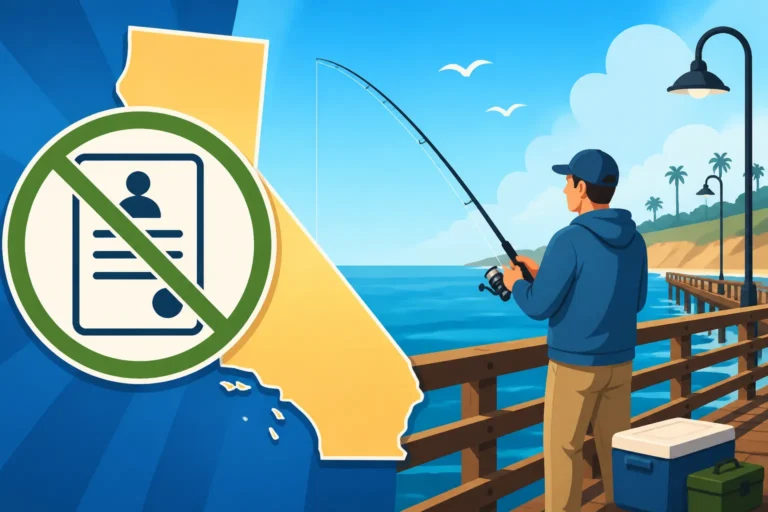
Let's cut right to the chase because this is the fundamental point of confusion for so many: you do not need a state fishing license to fish from a public pier in California. This is a wonderful policy that makes fishing incredibly accessible to everyone, from families with young children looking for a simple pastime to tourists wanting to experience a slice of California's coastal culture without the commitment of buying a full license. The California Department of Fish and Wildlife (CDFW) created this exemption to encourage recreational angling and allow more people to enjoy the state's abundant marine life.
Why This Exemption Exists
The reasoning behind this specific exemption is pretty straightforward and quite thoughtful. Public piers are often seen as entry points to fishing. They are accessible, often free to visit, and don't require a boat or special equipment beyond a basic rod and tackle. By waiving the license requirement, California encourages tourism, local recreation, and allows people to "try out" fishing without a financial barrier. Imagine a family visiting San Diego or Santa Monica – they can spontaneously decide to try pier fishing, pick up some bait, and enjoy the experience without navigating complex licensing requirements. This accessibility helps foster a love for fishing in new generations and keeps the sport vibrant. It also means you don't need to worry about the specific California Fishing License Cost or which type of license you might need, making it a truly hassle-free experience for the casual angler.
Defining "Public Pier" for License Exemptions
This is where things can get a little tricky, and it's super important to understand what truly qualifies as a "public pier" in the eyes of California law. Generally, a public pier is a structure that extends into open public waters, is maintained for public access, and is not a private dock, wharf, or part of a commercial operation where you pay for direct access to fish. Think of iconic spots like the Santa Monica Pier, Oceanside Pier, or the Berkeley Pier. These are classic examples.
However, the CDFW regulations specify that this exemption applies to fishing from a "public pier or jetty." But not all structures that look like piers or jetties qualify. For instance, a private dock attached to someone's property, a breakwater that is part of a port facility with restricted access, or even a structure that's technically a "wharf" where the primary purpose is commercial docking, might not fall under this license-free umbrella. If you're ever in doubt, the best course of action is to check with local authorities or directly consult the CDFW regulations booklet. You can also often find signs posted at legitimate public piers confirming the license exemption. Understanding California Pier Fishing License Rules is crucial for a stress-free trip.
Important Nuances and Exceptions to the Pier License Rule
While the "no license needed" rule is fantastic, it's not a free-for-all. There are several critical factors and exceptions that anglers must be aware of to ensure they are fishing legally and responsibly. Ignoring these could lead to fines, even if you’re technically on a license-exempt pier.
Structures Attached to the Mainland
Here's a big one: the license exemption applies when you are fishing from the public pier or jetty. It does not extend to fishing from the shoreline, beach, or any other land-based structure adjacent to the pier. If you decide to walk off the end of the pier onto the sand and cast your line from there, you are now considered to be fishing from shore. At that point, a valid California fishing license is required for anyone 16 years of age or older.
Imagine you’re at Belmont Pier in Long Beach. You’re having a grand time catching mackerel from the pier. You then decide to walk down to the sand next to the pier and try your luck for some surfperch. The moment your feet hit the sand and your line hits the water, you need that license. This distinction is paramount, and it’s a common mistake many casual anglers make. This scenario highlights why it's important to understand broader California Fishing Regulations Explained.
Report Card Requirements
Even if you don't need a general fishing license, certain species in California require a specific report card. These are mandatory documents used by the CDFW to track catches of sensitive or managed species, providing vital data for conservation efforts. If you're targeting or even incidentally catch one of these species from a pier, you absolutely need the corresponding report card, regardless of your license status.
The most common species requiring a report card that you might encounter while pier fishing include:
- Sturgeon: While less common directly from a pier, it's not impossible, especially in areas like the San Francisco Bay. If you're trying for sturgeon, you'll need a California Sturgeon Report Card.
- Steelhead: Similarly, less likely from a typical ocean pier, but if you're on a pier that's at the mouth of a river with a steelhead run, be aware. A California Steelhead Report Card would be necessary.
- Lobster: If you're hoop netting for California spiny lobster from a pier during the season, you'll need a Spiny Lobster Report Card.
- Abalone: While abalone fishing is generally prohibited, historically it required a report card. Always stay current with specific species regulations.
These report cards usually have specific rules about how to fill them out, tag your catch, and return them at the end of the season. Failure to comply can result in significant penalties. You can typically purchase these report cards online through the CDFW website or at any licensed agent.
Ocean Enhancement Stamp
For anyone 16 years or older fishing in ocean waters south of Point Arguello (Santa Barbara County), an California Ocean Enhancement Stamp is often required in addition to a base fishing license. However, because you don't need a base license to fish from a public pier, you generally do not need an Ocean Enhancement Stamp when fishing from a public pier. This is a common point of confusion, but the exemption usually covers the stamp requirement as well. Just remember, this specific exemption only applies if you are solely fishing from the pier itself. If you step off onto the beach, the stamp requirement would kick in if you also have a fishing license.
Navigating Regulations: What Else You Need to Know for Pier Fishing
Even without a license, fishing from a public pier still means you are subject to the broader California Fishing Regulations Explained. These rules are in place to ensure sustainable fishing practices and protect fish populations for future generations. Ignorance of the law is never an excuse, so familiarize yourself with these critical points.
Bag and Size Limits
This is arguably the most important set of regulations for any angler, license or no license. Every species of fish has specific rules about how many you can keep (bag limit) and what minimum or maximum size they must be (size limit). These limits can vary not only by species but also by region and season. For example, rockfish have very specific California Rockfish Regulations and Limits including depth restrictions, which might indirectly affect what you can target from a pier. Halibut also have strict California Halibut Regulations and Limits to protect their populations.
It’s your responsibility to know these limits for every species you intend to keep. If you catch a fish that is too small, or if you've already met your bag limit for a particular species, you must release it immediately and carefully. CDFW wardens frequently patrol popular piers, and they are not lenient with violations of bag and size limits. A small measuring tape or a ruler affixed to your tackle box is a great investment. Many tackle shops, and even some convenient stores near piers, will have simple guides or charts for common species.
Let's look at an example:
| Species Common from Piers | General Bag Limit | General Size Limit | Notes |
|---|---|---|---|
| Pacific Mackerel | No Limit | No Limit | Highly migratory, often abundant |
| Jack Smelt | No Limit | No Limit | Great bait or pan fry, schools near surface |
| California Halibut | 10 (2 fish max) | 22 inches minimum | Varies by management area, always check! |
| Barred Surfperch | 10 | 10.5 inches minimum | Common on sandy bottoms near piers |
| Shiner Perch | No Limit | No Limit | Small, often bait stealers or live bait |
| Leopard Shark | 1 | 36-50 inches slot | Requires immediate release if outside slot. |
Note: This table provides general information and is subject to change. Always consult the latest CDFW regulations booklet for current, precise limits before fishing.
Closed Seasons and Marine Protected Areas (MPAs)
Just as crucial as bag and size limits are closed seasons and prohibitions in California Marine Protected Areas Explained. Some species have specific times of the year when they cannot be fished at all, often to protect them during spawning or migration. For instance, California Salmon Season Dates are strictly enforced and can change yearly. Similarly, certain areas of the coast, including waters directly under and around some piers, may be designated as Marine Protected Areas (MPAs). These are like underwater parks, and many have "no-take" zones where fishing is completely prohibited, or "limited-take" zones where only certain methods or species are allowed.
It is absolutely essential to know if the pier you are fishing from, or the waters immediately surrounding it, are part of an MPA. There are maps and signs that usually indicate MPA boundaries. Always check the official CDFW website or their regulations booklet for detailed information on MPAs and their specific rules. Fishing in a no-take zone, even accidentally, can lead to severe penalties.
Gear Restrictions
While less common for general pier fishing, some gear restrictions might still apply. For example, specific hook types (e.g., barbless hooks in certain freshwater areas, though less common on ocean piers), limits on the number of hooks per line, or restrictions on certain baits might be in effect. Generally, for typical pier fishing, using a standard rod and reel with common baits or lures is fine. However, if you venture into specialized techniques or target specific species, always double-check. For example, if you're targeting sharks from a pier, there might be regulations on the size of your hook or the type of leader you can use.
Essential Gear and Tips for a Successful Pier Outing
Since you don't need a license for public pier fishing, it's an excellent opportunity to introduce friends or family to the joy of fishing. But even with the relaxed license rules, a little preparation goes a long way.
Basic Pier Fishing Setup
You don't need a fancy boat or expensive electronics to have a blast pier fishing. A simple setup is often all it takes:
- Rod and Reel Combo: A medium-action spinning rod (7-9 feet) paired with a 3000-4000 size spinning reel spooled with 10-20 lb monofilament or braided line is perfect for most pier species. You can find excellent beginner-friendly combos on Amazon that won't break the bank.
- Tackle:
- Hooks: A variety of sizes (e.g., #4 to 2/0 octopus or circle hooks) to match your bait and target species.
- Weights/Sinkers: Pyramid, egg, or swivel sinkers in various weights (1/2 oz to 2 oz) to hold your bait on the bottom, depending on current and depth.
- Swivels: Barrel or snap swivels to prevent line twist.
- Leaders: Fluorocarbon or monofilament leader material (20-30 lb test) for abrasion resistance and stealth.
- Bait: Live or cut bait are usually kings from a pier. Popular choices include:
- Mackerel/Sardines/Anchovies: Excellent cut bait for halibut, sharks, and various perch. Sometimes live-lining a small mackerel or anchovy will entice larger predators like white seabass or even yellowtail.
- Squid: A universal bait that works for almost everything.
- Shrimp/Mussels/Clams: Good for various perch species.
- Grub Tail Lures: Small plastic grubs on a lead head jig can catch mackerel, perch, and even small rockfish.
- Accessories: Pliers for hook removal, a rag, a small cooler for keeping your catch fresh, a measuring tape, and a small cutting board if you're using cut bait. A sturdy bucket can double as a seat and a place to hold your bait or catch. Many of these essentials can be conveniently ordered from Amazon.
Pier Etiquette
Fishing on a busy pier can sometimes feel like a contact sport, but a little courtesy goes a long way:
- Mind Your Space: Piers can get crowded. Be mindful of casting near others, and don't hog too much rail space, especially during peak times.
- Keep It Clean: Pack out everything you pack in. Dispose of bait scraps, broken lines, and trash properly. Nobody wants to fish in a mess.
- Be Aware of Others: If someone hooks into a big fish, be prepared to reel in your line to avoid tangles. It's a common courtesy that keeps everyone happy.
- Know Your Target: Researching Best Times to Fish in California for various species and understanding what you're likely to catch can help you prepare your gear and expectations.
Popular Piers for License-Free Fishing
California boasts a fantastic array of public piers that welcome anglers without a license. Here are just a few examples, showcasing the diversity of fishing experiences available:
- Santa Monica Pier: An iconic Southern California landmark, this pier offers good opportunities for mackerel, perch, and halibut, especially during the right seasons. It's bustling with activity, but the fishing can be productive.
- Oceanside Pier: Another popular Southern California spot known for a variety of surfperch, halibut, and sometimes even barracuda.
- Huntington Beach Pier: A long pier that provides access to deeper waters, offering chances for larger game fish in addition to the usual pier staples.
- Pacifica Pier (San Mateo County): One of the few piers in Northern California that allows for Dungeness crab netting during the season, in addition to rockfish, sole, and sometimes even salmon (check seasons!).
- Berkeley Pier (East Bay): Known for striped bass, sturgeon (with a report card!), and various flatfish species, particularly in the San Francisco Bay.
- Port San Luis Pier (Avila Beach): Offers a more relaxed atmosphere, with opportunities for rockfish, lingcod, and various perch species.
Remember, conditions and catch rates vary greatly by season and even by the day. Checking local California Fishing Reports can give you an idea of what's currently biting at your chosen pier.
A Word on Conservation and Responsible Angling
Even without a license, every angler shares a responsibility towards conservation. Fishing from a public pier is a privilege, and we want to ensure it remains available for generations to come.
- Handle Fish Carefully: If you're releasing fish, do so quickly and gently. Minimize their time out of the water. Consider using barbless hooks to make release easier, especially if you're targeting species you might not keep.
- Protect the Environment: Don't leave fishing line or tackle on the pier or in the water. These can be hazardous to wildlife and other users.
- Report Violations: If you witness illegal fishing activity, such as exceeding bag limits or fishing in a closed area, report it to the CDFW. Knowing How to Report a California Fishing Violation is vital for protecting our resources.
- Stay Informed: Regulations change. Before every outing, it's a good habit to quickly check the latest CDFW regulations online or consult the current California Fishing Regulation Booklet Explained. This ensures you're always up-to-date with any new rules, season closures, or limit adjustments.
By understanding these nuances, rules, and best practices, you can enjoy the fantastic opportunity that California public piers offer for license-free fishing, making memories and perhaps even catching dinner, all while being a responsible angler.
Disclaimer
The information provided in this guide is for general informational purposes only and is subject to change. Fishing regulations in California are complex and can vary by species, location, and season. It is the angler's sole responsibility to consult the most current official California Department of Fish and Wildlife (CDFW) regulations before engaging in any fishing activity. Failure to comply with regulations can result in significant fines and penalties.