How to Fish Clear Lake for Bass
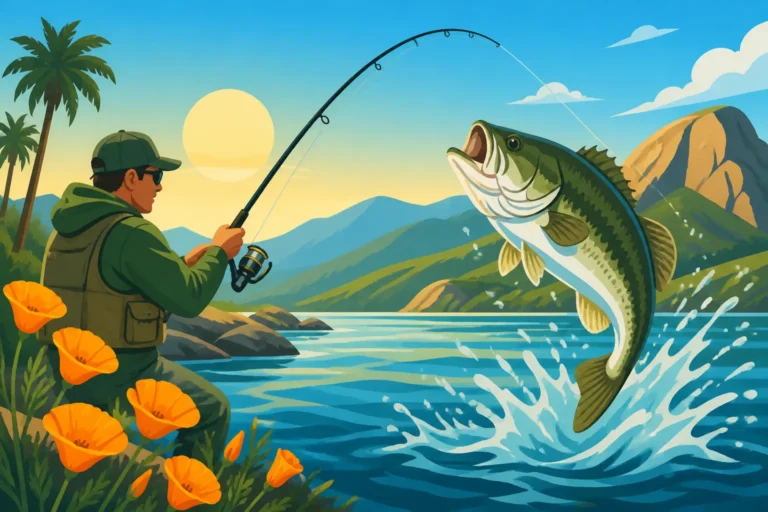
Fishing Clear Lake for bass can sometimes feel like trying to solve a complex puzzle, especially with its ever-changing conditions and diverse underwater structure. Many anglers, even experienced ones, find themselves scratching their heads when the bite turns tough, unsure if it's their technique, their lure choice, or simply that the bass have moved on. This comprehensive guide is here to untangle that knot, offering you a deep dive into the specific strategies and insights you'll need to successfully target and catch largemouth bass in California's legendary Clear Lake.
Why Clear Lake is a Bass Fishing Paradise
Clear Lake isn't just a bass lake; it's the bass lake in California, and often considered one of the top bass fisheries in the entire country. Its reputation isn't unfounded; this natural lake boasts an incredibly fertile ecosystem, leading to an abundance of forage and, consequently, very healthy, fast-growing bass. However, its sheer size and diverse habitat can also be incredibly intimidating for newcomers, or even seasoned anglers on an off day.
The Lake's Reputation and Reality
When you hear "Clear Lake," you probably imagine giant bass, and for good reason. Trophy largemouth bass, often tipping the scales over 10 pounds, are regularly pulled from its waters. This isn't a myth; it's a consistent reality, thanks to the lake's rich aquatic environment. The reality, though, is that while the potential for giants is always there, you still have to put in the work, understand the patterns, and be prepared for the grind. It's not always a simple cast-and-catch scenario; the lake can be moody, and the fish can be particular.
What truly makes Clear Lake special is its incredible biomass. The lake is relatively shallow, with an average depth of around 27 feet, but it stretches over 68 square miles, making it the largest natural freshwater lake entirely within California. This vastness, combined with extensive weed beds, rocky points, tules, and submerged timber, creates an endless array of habitats for bass. This fertility means bass grow quickly, reaching impressive sizes, but it also means there are so many places for them to hide, presenting a constant challenge for anglers to pinpoint their exact location. Anglers often consult a good Clear Lake: Fish Species and Best Spots guide to get a head start.
Common Frustrations and Rewards
Let's be honest, everyone who fishes Clear Lake has experienced those days when you feel like you're fishing in a bathtub – seeing absolutely no action. It's incredibly frustrating when you know the lake holds monsters, but they seem to have completely vanished. The most common frustrations often revolve around the massive areas of shallow, dense weeds, which can make covering water effectively a nightmare. Finding clear patches, identifying lanes, or figuring out how to get a lure through the jungle without getting snagged constantly can test anyone's patience.
However, the rewards are what keep us coming back. Hooking into a chunky 5-pounder that absolutely explodes on a topwater frog in a dense mat, or feeling that undeniable thump of a jig bite from a giant lurking in a submerged tree, makes every frustrating moment disappear. The sheer adrenaline of battling a heavy Clear Lake bass, known for their powerful runs and aerial acrobatics, is unmatched. Plus, the chance of setting a new personal best, or even landing a legitimate double-digit bass, is a very real possibility here, unlike many other fisheries. This potential is why many consider it one of the Best Bass Lakes in California.
Understanding Clear Lake's Bass: Species and Behavior
To successfully fish Clear Lake, you need to think like a bass. Understanding the primary species you'll encounter and their general behavior patterns throughout the year is foundational. While other species exist, largemouth bass are the undisputed kings here, and tailoring your approach to their habits is paramount.
Largemouth Bass: The Dominant Species
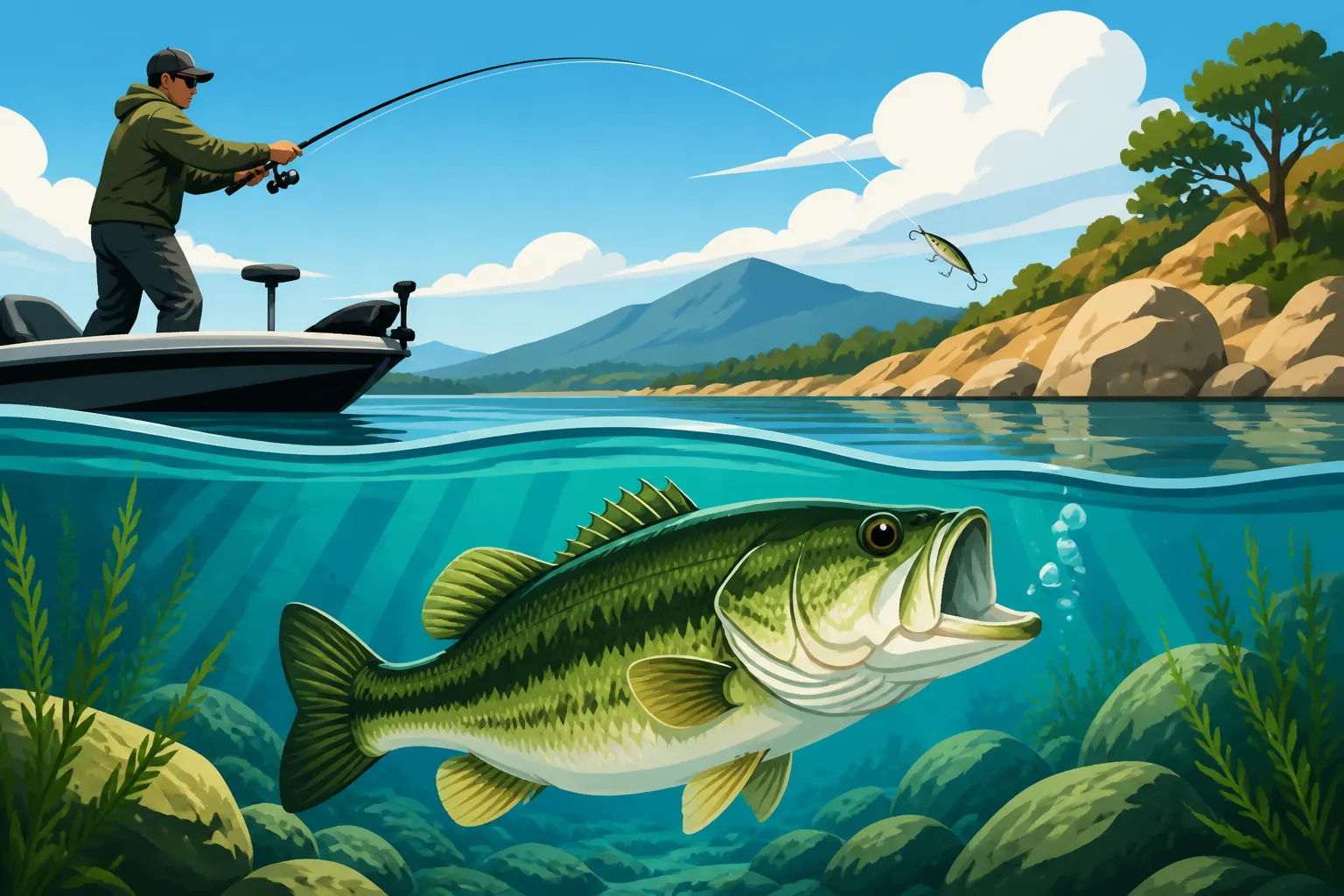
Clear Lake is primarily a largemouth bass fishery, and these fish absolutely thrive in its warm, fertile waters. They are ambush predators, meaning they love to hide in cover – be it dense tules, submerged hydrilla, rock piles, or docks – and wait for unsuspecting baitfish or crawfish to swim by. Their diet is varied, from hitch (a native baitfish) to bluegill, crappie, and crawfish, which contributes to their impressive growth rates.
Understanding the largemouth bass's lifecycle is key. They have distinct seasonal patterns of feeding, spawning, and migration. During the pre-spawn and spawn, they move to shallower waters, becoming more aggressive. Post-spawn, they might be lethargic for a bit before settling into summer patterns, often relating to deeper cover or shade. As fall approaches, they start to gorge themselves in preparation for winter. Knowing these general phases helps you anticipate where they might be and what they might be willing to bite. If you're looking for more general information, a guide on Largemouth Bass in California: Where and How to Catch can be a great resource.
Understanding Bass Habits and Structure
The structure and cover in Clear Lake dictate where the bass will be. Since the lake is relatively shallow, the presence of various types of cover is abundant.
- Weed Beds: These are everywhere! Hydrilla, coontail, and milfoil create vast underwater jungles. Bass use these for ambush points, shade, and protection. Fishing weed edges, open pockets within the mats, and points where different weed types meet can be highly productive.
- Tules: These tall, reed-like plants grow densely along many shorelines. Bass will hold in the shade and protection of the tules, especially during sunny days. Flipping and pitching into the tules, targeting small openings or isolated clumps, is a classic Clear Lake tactic.
- Docks and Piers: Man-made structures offer shade, cover, and often deeper water access. Bass love to stage under docks, especially those with brush piles or other submerged items near them. Skipping jigs or senkos under docks can yield great results.
- Rock Piles and Riprap: While less prevalent than weeds, rocky areas, particularly around points, causeways, or bridge pilings, provide excellent habitat for crawfish, which bass absolutely devour. Crankbaits, jigs, and slow-rolled swimbaits work well in these areas.
- Submerged Timber: There are many hidden trees and brush piles throughout Clear Lake, especially in areas that were once dry land or where old docks have collapsed. These offer prime ambush points. Using a good fish finder to locate these hidden treasures is crucial, and then pitching a jig or Texas-rigged plastic into them can be highly effective.
The bass's behavior also changes with water temperature and light conditions. On bright, sunny days, they'll often retreat deeper into cover or seek shade. On cloudy days or during low-light hours (dawn and dusk), they're more likely to be out actively feeding in shallower, more open water. Monitoring water temperature is also vital, as it largely dictates their metabolic rate and, consequently, their aggressiveness and depth preference.
Essential Gear and Tackle for Clear Lake Bass
You wouldn't bring a butter knife to a sword fight, and fishing Clear Lake bass requires a robust arsenal. The heavy cover, the size of the fish, and the need for powerful hooksets mean you can't skimp on your tackle. Having the right rods, reels, line, and electronics makes a huge difference in your success and ability to land those trophy fish.
Rod and Reel Combinations
For Clear Lake, versatility and power are your friends. You'll want a range of setups to cover different techniques, but generally, heavier action gear is preferred.
- Flipping and Pitching Rod: This is non-negotiable for working the dense tules and weed mats. Look for a heavy or extra-heavy action rod, typically 7'6" to 8'0" in length. This provides the backbone to pull big bass out of heavy cover and make accurate pitches. Pair it with a high-speed baitcasting reel (7.1:1 or higher gear ratio) for quick line pickup. Brands like Shimano and Daiwa offer excellent options for these applications. You can often find a good selection of specialized flipping gear on Amazon.
- Jig/Worm Rod: A heavy or medium-heavy action casting rod, around 7'0" to 7'4", is perfect for Texas rigs, Carolina rigs, and jigs in deeper cover or along weed edges. It needs enough sensitivity to detect subtle bites but also enough power to drive a hook home. A versatile baitcasting reel with a moderate gear ratio (6.3:1 to 7.1:1) is a great match.
- Topwater/Swimbait Rod: Depending on the size of your topwater lures or swimbaits, you might want a slightly softer tip for better casting distance and working lures, but still with a good amount of backbone. A medium-heavy to heavy action casting rod, 7'0" to 7'6", works well. Lower gear ratio reels (5.4:1 to 6.3:1) are often preferred for larger swimbaits to generate more torque.
- Spinning Rod (Finesse): For those tough days or when targeting pressured fish, a medium to medium-heavy spinning rod (6'8" to 7'2") is crucial for finesse techniques like drop-shotting, Neko rigging, or shaky heads. Pair it with a 2500-3000 series spinning reel. This lighter setup allows for longer casts with lighter baits and maximum sensitivity.
Line Choices and Terminal Tackle
Your line is the connection to the fish, and in Clear Lake's challenging environment, it needs to be tough and reliable.
- Braided Line: For flipping, pitching, and heavy cover applications, 50-80 lb braided line is a must. Its no-stretch properties provide incredible sensitivity and the brute strength needed to cut through weeds and pull fish out. You can use a fluorocarbon leader (20-30 lb) if the water is clear, but often in the thick stuff, straight braid is fine.
- Fluorocarbon Line: For most reaction baits (crankbaits, jerkbaits), jigs, and Texas rigs in open water or lighter cover, 12-20 lb fluorocarbon is excellent. It's nearly invisible underwater, has low stretch for good sensitivity, and is fairly abrasion-resistant. For finesse techniques, drop down to 6-10 lb fluorocarbon on your spinning gear.
- Monofilament Line: While less common for direct tying, monofilament (15-20 lb) can be useful for certain topwater presentations, as its buoyancy keeps the lure riding higher. However, for most Clear Lake bass fishing, braid and fluorocarbon are dominant.
Terminal Tackle: Don't forget high-quality hooks! Extra-wide gap (EWG) hooks for soft plastics (3/0 to 5/0), heavy wire flipping hooks, and robust jig heads are essential. Clear Lake bass can bend lesser hooks. Also, stock up on various weights for your Texas rigs and jigs, from 1/4 oz to 1 oz, to adjust to wind, depth, and cover density. Having a variety of bullet weights and tungsten weights in your tackle box, readily available on Amazon, is always a good idea.
Essential Electronics and Accessories
Modern bass fishing relies heavily on technology. On a lake as vast and diverse as Clear Lake, electronics aren't just a luxury; they're a necessity.
- Fish Finder/Chartplotter: A good unit with GPS, side imaging, and down imaging is invaluable. It helps you navigate the lake safely, locate submerged structure like brush piles or old creek channels, and identify schools of baitfish and bass. Units from Humminbird and Lowrance are popular choices. Side imaging is particularly helpful for scanning large areas of weed edges or finding isolated cover away from the boat.
- Trolling Motor: A reliable, powerful trolling motor, preferably with GPS anchoring capabilities (like Minn Kota's Spot-Lock or Lowrance's Ghost), will save your arms and allow you to precisely hold your position on spots, even in windy conditions. This is a game-changer when flipping specific patches of tules or working a submerged hump.
- Shallow Water Anchors: If you fish the shallow tules and weed lines frequently, a Power-Pole or Minn Kota Raptor shallow water anchor can lock your boat in place instantly, allowing for silent approaches and precise presentations without spooking fish.
- Landing Net: For those trophy bass, a large, bass-friendly landing net is crucial for safely bringing fish into the boat and reducing stress on the fish. You'll be grateful you have one when that 8-pounder jumps boat-side!
Top Techniques and Lures for Clear Lake Bass
Clear Lake offers a smorgasbord of fishing opportunities, meaning no single technique rules them all. Adapting your approach based on the season, water conditions, and where the bass are holding is the name of the game. Having a versatile tackle box and being comfortable with multiple presentations will undoubtedly increase your success. Many of these techniques are covered in more detail in guides like California Bass Fishing Techniques.
Topwater and Shallow Water Strategies
When bass are active in the shallows, few things beat the explosive strike of a topwater lure. This is often the most exciting way to catch Clear Lake bass.
- Frogs (Soft Plastic): These are absolute killers in the dense weed mats and lily pads of Clear Lake. Cast a hollow-bodied frog (like a Spro Bronzeye Frog or Livetarget Frog) onto the mat, let it sit for a moment, then twitch it across any open pockets or along the edges. The key is to wait a beat after the blow-up before setting the hook, allowing the fish to fully engulf the lure. This is a prime technique during summer and early fall when the mats are thickest. The ability to pull a bass out of this heavy cover is why a powerful flipping stick is so crucial.
- Walking Baits and Poppers: When bass are feeding on baitfish in more open, shallower water (like along tule lines or riprap), walking baits (e.g., Heddon Super Spook, Lucky Craft Sammy) and poppers (e.g., Rebel Pop-R, Storm Chug Bug) can be incredibly effective. Cast them out and work them back with a rhythmic retrieve, imitating a distressed baitfish. Early mornings and late evenings are prime times for these.
- Spinnerbaits and Chatterbaits: These lures excel at covering water quickly along weed lines, over submerged grass, or around tules. The vibration and flash of a bladed jig (like a Z-Man ChatterBait) or a spinnerbait (with Colorado and willow blades) can draw aggressive reaction strikes. Vary your retrieve speed and depth until you find what the fish want. Use a trailer hook for short strikes! This approach is often fruitful during the pre-spawn and post-spawn periods.
Subsurface and Deeper Water Tactics
While Clear Lake is shallow, bass will often seek out deeper water or submerged cover, especially during the heat of summer or cold of winter.
- Jigs (Football and Flipping): Jigs are a year-round staple for Clear Lake bass. A football jig (3/8 to 3/4 oz) with a crawfish-imitating trailer is excellent for fishing rocky points, humps, and ledges in deeper water. Crawl it along the bottom, feeling for structure. For dense cover like tules or brush piles, a compact flipping jig (1/2 to 1 oz) with a sturdy weed guard is the ticket. Pitch it into openings and let it fall, watching for any line movement. Green pumpkin, black and blue, and brown are popular colors.
- Crankbaits (Diving and Squarebill): Shallow-diving squarebill crankbaits are fantastic for bumping off rocks, wood, and shallow cover without getting hung up. Medium- to deep-diving crankbaits are great for targeting submerged structure, creek channels, or deeper weed edges. Match the crankbait's dive depth to the depth you're fishing. Shad, crawfish, and chartreuse patterns are effective. When bass are actively chasing bait, these can be incredibly productive.
- Swimbaits (Hard and Soft): Both hard-bodied and soft plastic swimbaits can entice Clear Lake giants. Hard swimbaits, retrieved with a steady retrieve or a stop-and-go action, imitate larger baitfish. Soft swimbaits, rigged on a swimbait hook or a jig head, are versatile for working over submerged grass, through open water, or even skipping under docks. Consider sizes from 4 to 8 inches, depending on the forage size. For insights on specific lure types, check out Best Lures for California Largemouth Bass.
Finesse Fishing for Tough Bites
Sometimes, Clear Lake bass can be incredibly finicky. When conditions are tough, the bite is slow, or fish are highly pressured, finesse techniques can often save the day.
- Drop-Shotting: This technique is incredibly effective for vertically presenting a soft plastic bait to bass holding on structure or in deep weed edges. Rig a small plastic worm, minnow imitation, or creature bait on a straight shank hook, with a weight tied below it on a leader. Shake it gently or hold it still; the bait stays in the strike zone longer. This is a go-to when fish are suspended or not actively chasing.
- Neko Rig and Wacky Rig: These are variations of presenting a soft plastic stick bait (like a Yamamoto Senko). A wacky rig has the hook inserted through the middle, creating a unique shimmy on the fall. A Neko rig adds a nail weight to one end, allowing for a faster, more head-down fall. Both are incredibly subtle and deadly when bass are reluctant to bite. Cast them to weed edges, dock pilings, or isolated clumps of cover.
- Shaky Head: A shaky head jig is a finesse jig head with a weighted hook that allows a worm or creature bait to stand upright on the bottom, mimicking a feeding crawfish or a worm. Drag it slowly along the bottom, pausing and shaking the rod tip to impart action. This is a great choice for tempting lethargic bass or those hiding in sparse cover. Remember, finesse fishing often requires lighter line and a sensitive spinning rod for optimal presentation and bite detection.
Seasonal Strategies for Bass Fishing on Clear Lake
Clear Lake's bass fishing is a year-round affair, but the most productive techniques and locations shift dramatically with the seasons. What works in spring won't necessarily work in summer, and vice-versa. Adapting to these seasonal changes is fundamental to consistent success. For a broader overview, take a look at the California Fishing Seasons: Month-by-Month Guide.
Spring: Pre-Spawn and Spawn Frenzy
Spring is arguably the most anticipated time for bass anglers on Clear Lake. As water temperatures climb into the 50s and 60s, bass move shallow for the pre-spawn and then the spawn.
- Pre-Spawn (March-April): Bass are actively feeding, bulking up before the rigors of spawning. They'll be found in staging areas near spawning flats, such as channel swings, points, and the edges of tules or weed beds that offer slightly deeper water access. This is a great time for reaction baits like spinnerbaits, crankbaits, and lipless crankbaits, as well as jigs and Texas rigs fished slowly. Look for bass pushing baitfish in the shallows. This is often the period for the biggest bass of the year!
- Spawn (April-May): When water temperatures hit the mid-60s, bass move onto beds in very shallow, protected areas, often among the tules, sparse weeds, or even visible bottom. During the spawn, sight fishing for bass on beds can be very productive. Flipping jigs, creature baits, or Senkos into beds will often provoke a strike as the bass try to protect their eggs. However, remember to practice catch-and-release to protect the future of the fishery, especially for bedding fish. Understanding California Bass Spawn Timing and Tactics is essential here.
Summer: Heat and Deep Water
Clear Lake summers can be scorching, and the bass adjust accordingly. The prime bite often shifts to early mornings, late evenings, and fishing deeper cover during the day.
- Early Summer (June-July): After the spawn, bass might be a bit lethargic, but they quickly transition to their summer patterns. Many will relate to the thick weed mats that develop, using them for shade and ambush points. Frog fishing over mats becomes incredibly effective. Also, look for bass suspending under docks or around submerged brush piles in 10-20 feet of water. Big worms, jigs, and drop shots are good bets for these deeper fish.
- Late Summer (August-September): As the water gets very warm, the midday bite can be tough. Focus on topwater action at dawn and dusk. During the day, seek out the deepest, coolest water you can find, such as deep creek channels, submerged humps, or the coolest sections under expansive docks. Finesse techniques like drop-shotting and shaky heads can be crucial for enticing lethargic fish. Using electronics to pinpoint thermoclines or schools of baitfish in deeper water will give you an edge. Many anglers consult Best Time to Fish Clear Lake for optimal summer strategies.
Fall: Feeding Blitz
As water temperatures begin to cool in fall, Clear Lake bass go on a feeding frenzy, aggressively chasing bait to pack on weight for winter. This is a fantastic time for active fishing.
- Early Fall (October): The bass often move shallower, following baitfish that are also moving up. Spinnerbaits, chatterbaits, and crankbaits worked along weed edges, points, and around docks are highly effective. Topwater can still be productive, especially on warmer days. Look for schooling activity as bass push bait to the surface.
- Late Fall (November-December): As the water continues to cool, bass will consolidate in key areas, often relating to baitfish schools. Deeper rock piles, channel swings, and areas with submerged timber become prime spots. Jigs, slower-rolled swimbaits, and deep-diving crankbaits are excellent choices. The bite might slow down, but the fish you catch can be very healthy and robust. This is a great season to target some of the Best Reservoirs for Trophy Bass in California.
Winter: Cold Water Challenges
Winter fishing on Clear Lake requires patience and a slower approach, but it can still yield big bass, especially if you understand their cold-water behavior.
- Deep and Slow: Bass will typically be in their deepest winter haunts, often in the warmest available water. Look for them concentrated in deep creek channels, on main lake points that drop off quickly, or around massive submerged rock piles. The key is to fish slowly. Jigs, slow-rolled swimbaits, and a painstakingly slow retrieve with a Carolina rig or a drop shot are often the best methods.
- Weather Windows: On calm, sunny days in winter, bass might move shallower for short periods to sun themselves on dark bottom areas or rock. Take advantage of these warming trends, but be prepared for a very subtle bite. Focus on the sunny sides of docks or tules. Overall, targeting the Best Season to Catch Largemouth Bass in California for winter will revolve around patience and meticulous technique.
Navigating Clear Lake: Access and Hotspots
Clear Lake is a big place, and knowing where to launch and which areas generally hold fish can save you a lot of time and fuel. While conditions change, there are perennial hotspots that consistently produce bass. Always remember to check a local How to Read California Fishing Reports before heading out for the latest conditions and bite information.
Key Launch Ramps and Public Access
There are numerous launch ramps around Clear Lake, catering to various sizes of boats. Some of the most popular and well-maintained include:
- Lakeport Public Boat Launch (Third Street Pier): Located in the city of Lakeport, this is a very popular, well-maintained ramp with good parking and access to the central and southern parts of the lake. There's usually a fish cleaning station and ample space.
- Kelseyville Public Boat Launch: Another excellent option on the western shore, providing access to the fertile areas around Kelseyville and further south towards Rodman Slough.
- Clearlake Oaks Public Boat Launch: Situated on the eastern side, this ramp offers access to the northern and eastern arms of the lake, which are known for their extensive tules and weed beds.
- Redbud Park (Clearlake City): On the southern end, this park provides access to the lower lake, which can be very productive, especially around the narrows and Soda Bay.
Beyond these main public ramps, many resorts and private marinas around the lake also offer launch facilities, sometimes for a fee. Always check ramp conditions, especially during periods of low water, which can occasionally affect access to certain ramps.
Renowned Bass Hotspots
While bass can be caught anywhere on Clear Lake, some areas are legendary for a reason. These spots offer a combination of ideal habitat, forage, and structure that consistently attracts fish.
- Rattlesnake Island: This iconic island in the middle of the lake is surrounded by varied depths, rock piles, and often holds schools of baitfish. Bass will relate to its contours, especially in deeper water during summer and winter. Cranking, jigging, and drop-shotting around the island can be very productive.
- Rodman Slough: Located on the western side, this slough is a shallow, tule-lined haven for bass, especially during the pre-spawn and spawn. It's a fantastic area for flipping, frog fishing, and spinnerbaits. The slough also holds abundant baitfish and crawfish.
- Adobe Creek: Similar to Rodman Slough, Adobe Creek, on the northern side, is another prime shallow-water area with extensive tules and weed beds. It's a magnet for spawning bass and can be excellent for topwater and punching heavy mats.
- Jago Bay: Found on the eastern side, Jago Bay is known for its sprawling weed beds and pockets, making it an excellent area for frogging, punching, and working Texas rigs.
- The Narrows (between Clearlake City and Soda Bay): This constricted section of the lake features deeper water, rock walls, and current, which can stack up fish. Deep diving crankbaits, jigs, and drop shots are effective here, especially when bass are relating to depth.
- Lucerne/Nice Area: The northern section of the lake, around Lucerne and Nice, features extensive tules and shallower flats, making it a prime area for flipping, pitching, and topwater presentations, especially in spring and fall.
Remember, even in these hotspots, the exact location of the fish will change daily based on conditions, baitfish movement, and pressure. Use your electronics to find isolated cover or bait balls, and don't be afraid to experiment with different presentations until you unlock the bite.
Clear Lake Bass Fishing: Lure and Technique Table
To make things a little easier to digest, here's a quick reference table summarizing some effective lures and techniques for different seasons and conditions on Clear Lake.
| Season | Conditions | Lure Type | Technique | Target Depth | Notes |
|---|---|---|---|---|---|
| Spring | Pre-Spawn (Cooling to warming water) | Spinnerbaits, Lipless Crankbaits | Retrieve along weed lines & points | 5-15 feet | Covering water, reaction strikes. Focus on staging areas. |
| Spawn (Water 60-68°F) | Jigs, Senkos, Creature Baits | Flip/Pitch into beds & shallow cover | 1-5 feet | Sight fishing, protect bedding fish. Slow, precise presentations. | |
| Summer | Warm water, heavy weed mats | Hollow-body Frogs | Walk/Pop over mats, in pockets | Surface | Explosive strikes! Use heavy braid. |
| Hot days, bass seeking shade/depth | Jigs, Large Worms, Drop Shots | Flip/Pitch to docks, brush, deeper weed edges | 10-25 feet | Slow, methodical retrieves. Target isolated cover. | |
| Fall | Cooling water, active feeding | Crankbaits, Chatterbaits, Swimbaits | Cover water along points, structure, bait balls | 5-20 feet | Bass chasing bait. Vary retrieve speed. |
| Baitfish schooling, low light | Walking Baits, Poppers | Work open water, around schools | Surface | Excellent for aggressive surface bites. | |
| Winter | Cold water, slow metabolism | Jigs, Blades, Deep Diving Crankbaits | Slow roll on bottom, deep structure | 15-35 feet | Patience is key. Fish very slowly and precisely. |
| Sunny calm days, slight warming | Finesse Worms (Drop Shot, Shaky) | Target sunny rocks, deep weed edges | 10-20 feet | Subtle bites. Maximize sensitivity. |
This table provides a general guide, but remember, flexibility is your greatest asset on Clear Lake!
Disclaimer
Please remember that fishing regulations, conditions, and fish behavior can change. Always check the latest California Department of Fish and Wildlife (CDFW) regulations before you head out on the water. This guide is for informational purposes only and should be used in conjunction with your own due diligence. Always prioritize safety and practice responsible angling, including catch and release, to preserve this incredible fishery for future generations.