California Pier Fishing for Beginners
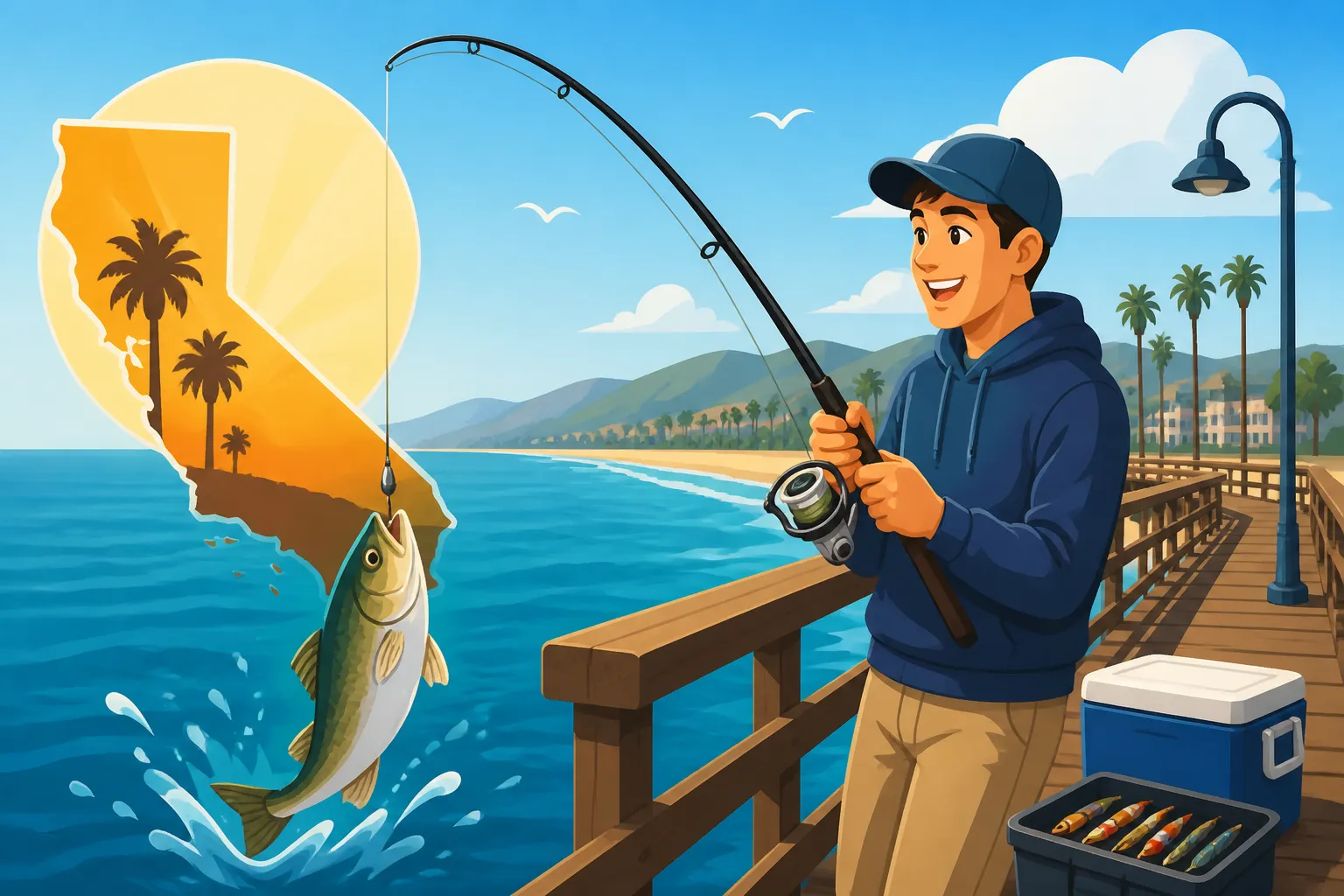
Feeling a bit overwhelmed by the idea of getting into fishing in California? You're not alone! The vast coastline, countless lakes, and complex regulations can make it seem like an impossible hobby to start. But what if I told you there's a fantastic, low-barrier entry point right here in the Golden State that's perfect for beginners? This guide will walk you through everything you need to know about pier fishing in California, making your first outing fun, successful, and stress-free.
Why California Pier Fishing is the Perfect Starting Point
Let's be real, the thought of buying a boat, investing in tons of expensive gear, or even just understanding all the different rules can be a huge deterrent for new anglers. That's where pier fishing shines, offering an incredibly accessible and enjoyable way to dip your toes into the fishing world. It's truly a game-changer for anyone curious about casting a line without all the typical fuss.
No License Required for Ocean Piers
This is arguably the biggest selling point for pier fishing in California, especially for those just starting out or visiting from out of state. The California Department of Fish and Wildlife (CDFW) has a wonderful rule: you don't need a fishing license to fish from a public pier or public jetty that's connected to the mainland. This isn't some loophole; it's a deliberate policy to encourage public access and enjoyment of our marine resources. Imagine the freedom of just showing up, rod in hand, and not worrying about paperwork or fees!
Now, it's important to be clear: this only applies to ocean piers and jetties directly connected to the coast. If you're looking to fish from a dock on a freshwater lake or river, you'll absolutely still need a California fishing license. But for the vast majority of iconic California piers, like those in Santa Monica, Huntington Beach, or Pacifica, you're good to go. This makes it an ideal activity for families, tourists, or anyone who just wants to try fishing for an afternoon without committing to a full license purchase. For more details on this, you can check out our comprehensive guide on California Pier Fishing License Rules and Fishing from a Pier in California: Rules.
Accessibility and Convenience
Beyond the license exemption, piers offer unparalleled convenience. They are typically easy to access, often located in vibrant coastal towns or bustling cities, with ample parking nearby. Many piers are also equipped with amenities that make your trip more comfortable, like public restrooms, snack stands, and even dedicated bait and tackle shops right on the pier itself. This means you don't have to haul everything from home; you can often pick up fresh bait or any forgotten tackle right where you're fishing.
Think about places like the Santa Monica Pier, which is iconic for a reason, or the Berkeley Pier, offering stunning views of the Bay. These spots aren't just for fishing; they're popular tourist attractions, meaning there's usually a lively atmosphere, and you're never too far from a good cup of coffee or a bite to eat. You can find some fantastic options by looking into our list of the Best Fishing Piers in California. This ease of access removes a lot of the logistical hurdles that can intimidate new anglers.
Diverse Species without the Hassle
One of the most exciting aspects of pier fishing is the sheer variety of fish you can encounter. You might think you'll only catch tiny baitfish, but California piers are teeming with life, from common panfish to surprisingly large game species. Depending on the pier and the season, you could hook into surfperch, mackerel, halibut, croaker, bonito, and even various sharks or rays. This constant element of surprise keeps every cast interesting.
You don't need specialized gear or expert knowledge for each species either. A basic setup and a few common baits will put you in a position to catch a wide array of fish. It's a fantastic way to learn about local marine life, understand fish behavior, and practice different techniques without the pressure of a big game charter. You’re truly connecting with nature right from the comfort of a solid platform.
Assembling Your Basic Pier Fishing Gear
Alright, so you're convinced pier fishing is for you! Now, let's talk about getting set up without breaking the bank. You absolutely don't need top-of-the-line equipment to have a blast and catch fish from a pier. In fact, some of the best gear for beginners is affordable and versatile.
Rod and Reel Setup
For pier fishing, versatility is key. You're looking for a setup that can handle smaller fish like surfperch but still have enough backbone for a surprise halibut or even a small shark.
- Rod: A medium-light to medium action spinning rod, typically between 7 to 9 feet in length, is ideal. This length gives you good casting distance to reach different zones around the pier while still being manageable for beginners. Shorter rods (6-7 ft) are fine if you want something easier to handle, but longer rods (8-9 ft) offer better leverage and casting power. Brands like Ugly Stik offer incredibly durable and affordable rods that are perfect for knocking around on a pier.
- Reel: Pair your rod with a matching spinning reel in the 3000 to 4000 series size. These reels hold enough line, have a smooth drag system, and are relatively easy to operate. Look for a reel with at least 3-5 ball bearings for smoother operation. Shimano's Sienna or Daiwa's Revros series are excellent entry-level options that won't let you down. You can often find decent rod and reel combos on Amazon that are perfectly suited for pier fishing and save you a few bucks compared to buying separately.
- Line: For beginners, monofilament line in 10-15 pound test is highly recommended. It's more forgiving, easier to tie knots with, and offers good stretch, which can prevent break-offs when fighting a strong fish. While fluorocarbon and braid have their advantages, mono is the most user-friendly for learning.
Essential Terminal Tackle
Terminal tackle refers to all the bits and bobs at the end of your fishing line. These are crucial for presenting your bait effectively and securing your catch.
- Hooks: A variety of hook sizes is smart. For general pier fishing, a pack of J-hooks in sizes #2, #1, and 1/0 will cover most bases for common fish like croaker and surfperch. If you're targeting bigger fish like halibut or small sharks, consider stepping up to 2/0 or 3/0 circle hooks; circle hooks are fantastic for catch and release as they tend to hook in the corner of the fish's mouth, minimizing harm.
- Sinkers: You'll need weight to get your bait down and keep it from drifting too much in the current. Pyramid sinkers (1-3 oz) are great for sandy bottoms, while egg sinkers (1-2 oz) are versatile for a variety of conditions. Keep a few different weights handy to adapt to current strength.
- Swivels and Leaders: Barrel swivels (size 7-10) help prevent line twist, especially if you're using monofilament. Leaders are shorter sections of line, often fluorocarbon (15-20 lb test), tied between your main line and hook. They are less visible to fish and add abrasion resistance, which is helpful around pilings or rocky areas. Pre-made surfperch rigs or high-low rigs are also fantastic for beginners, as they come with multiple hooks and a sinker attachment point, ready to go. Many affordable tackle kits available on Amazon include a good assortment of these essentials.
Bait and Lures
What you put on your hook is just as important as the gear itself! For pier fishing, simplicity often wins.
- Natural Baits:
- Shrimp: Raw market shrimp (the kind you buy for eating) is a fantastic, readily available bait that almost anything on the pier will bite. Cut it into small, bite-sized pieces.
- Squid: Squid strips are tough, stay on the hook well, and are irresistible to many bottom dwellers like croaker, halibut, and even small sharks. You can buy frozen squid at most tackle shops or Asian markets.
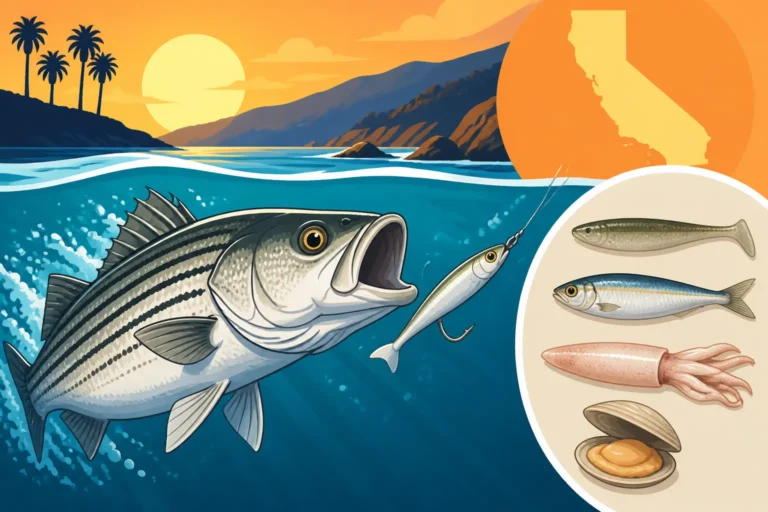
- Anchovies/Sardines: Live or cut pieces of these oily fish are excellent for bigger game like halibut, bonito, or even mackerel. Some piers have bait receivers where you can buy live bait, or you can get frozen ones at tackle shops.
- Sand Crabs/Bloodworms: If you can find them (sometimes at local bait shops), these are prime baits for surfperch.
- Artificial Lures: While natural bait is king on piers, a few simple lures can be effective.
- Soft Plastics: Small grub tails (2-3 inches) on a light jig head can imitate small baitfish or crustaceans and work well for surfperch, bass, and croaker.
- Sabiki Rigs: These are multi-hook rigs designed to catch baitfish like mackerel and sardines. They're a ton of fun to use and can quickly get you some live bait for bigger catches.
- Metal Jigs: Small metal jigs (1/2 oz to 1 oz) can be cast and retrieved to attract mackerel or bonito schooling near the surface.
Always check with the local bait shop on or near the pier for their recommendations on what's been working best lately. This local knowledge is invaluable! If you're interested in learning more about how to use various baits effectively, our guide on California Bait Fishing Tips and Techniques can offer some great insights.
Targeting Common California Pier Fish Species
One of the joys of pier fishing is the variety of species you might encounter. While the specific fish can vary by location and season, here are some of the most common and how to approach catching them.
The Ubiquitous Surfperch
If you're fishing from a California pier, especially one with access to sandy beaches nearby, you're almost guaranteed to encounter surfperch. These feisty, colorful fish are often the first catch for many new pier anglers, and they are incredibly fun to target. Species like Barred Surfperch, Walleye Surfperch, and Shiner Perch are abundant.
They typically hang out in the shallower water closer to the pier pilings, especially where there's some structure or sand. The easiest way to catch them is with a simple high-low rig or a Carolina rig, using small hooks (size #4 to #8). Baits like small pieces of market shrimp, bloodworms (if you can find them), or even artificial Gulp! Sandworms are highly effective. Cast out, let your bait settle, and be prepared for a gentle tap-tap-tap as they nibble. They’re excellent for practicing your bite detection and hook-setting skills. To dive deeper into targeting these common pier dwellers, check out our California Surfperch Fishing Guide.
Halibut and White Croaker
These two species are often found in similar areas and can be caught using similar techniques from a pier.
- California Halibut: A prized catch, halibut are flatfish that lie on the bottom, ambushing unsuspecting prey. They are often found in sandy areas adjacent to piers, sometimes even in the wash under the pier itself. To target halibut, you'll want to use live bait like a small anchovy or sardine on a Carolina rig or a leadhead jig with a swim-bait. Cast it out, let it sink, and slowly retrieve it, allowing the bait or lure to drag along the bottom. Patience is key when targeting halibut. They might not bite aggressively, sometimes just feeling like a heavy weight. For more specialized tips, read our guide on How to Catch Halibut in California.
- White Croaker: These are incredibly common and often abundant around California piers, making them a great target for beginners. They're not huge, but they put up a decent fight and are good eating. They respond well to small pieces of squid or anchovy fished on a high-low rig, cast out just a moderate distance from the pier. You'll often feel a series of quick taps before a solid bite.
Mackerel and Sardines
These schooling baitfish are often found around piers, especially during warmer months. They're not only fun to catch in numbers but also make excellent live bait for larger predators.
- Mackerel: Pacific Mackerel are aggressive feeders and can be caught by the bucketload when they're around. The most effective method is using a sabiki rig. Simply drop the rig down into the water, give it a few gentle jigs, and you'll often hook multiple fish at once. They're often schooling near the surface, especially around dawn or dusk. They make great panfish and are fantastic for live bait. For more on catching similar species, consider our tips for How to Catch Bonito in California.
- Sardines: Similar to mackerel, sardines can be caught on sabiki rigs. They are generally smaller but equally good as bait or for a quick meal. Watch for splashes or birds diving near the pier, as these are often indicators of baitfish schools.
Sharks and Rays
Don't be surprised if you hook into something big and toothy from a California pier! Various species of sharks and rays frequent pier waters, especially at night or during twilight hours.
- Leopard Sharks: These beautiful, docile sharks are common in sandy and muddy bay areas and can definitely be caught from piers. They put up a fantastic fight and are usually released after a photo. You'll need heavier gear (20-30 lb test line), a sturdy rod, and a larger hook (3/0 to 5/0 circle hook) with a wire leader (to prevent bite-offs). Mackerel, sardine, or squid are excellent baits. For a dedicated strategy, check out our California Leopard Shark Fishing guide.
- Bat Rays: These large, disc-shaped rays are powerful fighters and are also commonly caught from piers. They prefer similar baits to leopard sharks and will test your gear to its limits. Always exercise caution when handling any ray due to their stinging barb, and use a net or specialized lifting device for landing.
Remember, always be aware of the California Fishing Regulations Explained and California Saltwater Fishing Regulations for specific species, especially concerning size and bag limits, and whether certain fish need to be released.
Pier Fishing Techniques and Strategies for Beginners
Getting your bait in the water is one thing, but knowing how to fish effectively will significantly increase your chances of success. It's not just about luck; there's a bit of art and science to it!
Basic Casting and Retrieval
Mastering a simple cast is fundamental. With a spinning reel, it's quite straightforward:
- Open the bail: This releases the line from the spool.
- Grip the line: Use your index finger to hold the line against the rod.
- Bring the rod back: Point your rod tip behind you, aiming for about the 10 o'clock position.
- Cast forward: In one smooth motion, bring the rod forward, aiming towards your target. As the rod passes the 12 o'clock position, release the line with your index finger.
- Close the bail: Once your bait hits the water (or just before), manually flip the bail back down or crank the handle to close it. This prevents line from continuing to peel off.
Once your bait is in the water, the retrieval depends on what you're targeting. For bottom fish like croaker or halibut, let your bait settle, then slowly reel in a few cranks, pause, and repeat. For schooling fish like mackerel, a steady retrieve with occasional jerks or pauses can mimic a swimming baitfish. Pay attention to how the line feels; any unusual tug, tap, or sudden slack could be a bite!
Reading the Water and Pier
Great anglers aren't just good at casting; they're good at observing. When you get to a pier, take a few minutes to "read" the water and the structure around you.
- Pier Pilings: The barnacle-encrusted pilings are magnets for baitfish and smaller predators that feed on them. Fishing close to the pilings (but not on them, where you risk snagging) can be very productive.
- Kelp and Structure: If there's kelp growing near the pier, fish will often hold in and around it for cover and food. Similarly, any visible rocks, sand depressions, or other underwater structures are worth investigating.
- Current and Tides: Pay attention to the current. Fish often face into the current, waiting for food to drift by. Fishing on an incoming or outgoing tide can concentrate baitfish and make fishing more productive.
- Baitfish Activity: Look for schools of smaller fish jumping or splashing on the surface. Where there are baitfish, larger predatory fish are usually not far behind. Also, watch for birds diving—they're often targeting the same baitfish you are!
Best Times to Fish
Just like real estate, fishing is often about "location, location, location," but also "timing, timing, timing."
- Tides: Generally, the periods around high tide or low tide, and especially the two hours on either side of those extremes (the "turn of the tide"), are considered the most productive for pier fishing. The moving water stirs up food and makes fish more active.
- Time of Day: Dawn and dusk are prime fishing times for many species, as the low light provides cover for predators. Night fishing can also be incredibly rewarding for certain species, like sharks and rays, and can offer a completely different experience with fewer crowds. If you're interested in the nuances of fishing at different times, our guide on Best Time of Day to Fish in California has more detailed information.
- Season: While many common pier fish are available year-round, certain species have peak seasons. Mackerel might be more abundant in warmer summer months, while certain perch species might be more active in cooler water.
Handling Your Catch Responsibly
Whether you plan to keep your catch for dinner or release it, responsible handling is crucial.
- Keeping Fish: If you decide to keep a fish, make sure it meets all the legal size and bag limits set by the CDFW. Have a cooler with ice ready to keep your fish fresh. Dispatch the fish quickly and humanely.
- Catch and Release: If releasing, handle the fish as little as possible. Wet your hands before touching it to protect its slime coat. Use de-hooking tools if the hook is deep. Release the fish gently, allowing it to swim away on its own power. Circle hooks are particularly good for catch and release as they tend to hook in the mouth rather than deep in the gullet. Our article on California Catch-and-Release Rules provides more insights into best practices.
Pier Etiquette and Safety Considerations
Pier fishing is generally a very social and relaxed activity, but like any shared public space, there are some unwritten rules and essential safety tips to keep in mind to ensure everyone has a good time.
Respecting Fellow Anglers and the Environment
- Give Space: Piers can get crowded, especially on weekends. Try to maintain a reasonable distance from other anglers. Don't cast directly over someone else's line.
- Keep it Clean: The golden rule of the outdoors applies here: pack it in, pack it out. Don't leave discarded fishing line, bait containers, or trash on the pier. Monofilament line in particular is a hazard to wildlife. Many piers have trash cans, and some even have designated recycling bins for fishing line.
- Mind Your Casts: Be aware of people walking behind or around you before you cast. A rogue hook can cause serious injury. A quick glance over your shoulder can prevent an accident.
- No Hogging Spots: If a spot is particularly hot, share the wealth. Take your turn, or if you've caught a few, consider moving to let someone else try.
- Sharing the Pier: Remember, piers are for everyone – anglers, strollers, sightseers. Be considerate of those who aren't fishing.
Safety First
Fishing involves sharp hooks, slippery surfaces, and potentially strong fish. Being mindful of safety can prevent a great day from turning sour.
- Watch Your Step: Piers, especially after a wave or in the morning dew, can be slippery. Wear appropriate footwear with good grip.
- Handle Hooks with Care: Always be extremely careful when baiting hooks, de-hooking fish, or casting. Consider using pliers or a de-hooking tool to remove hooks, especially from toothy fish.
- Knives and Tools: If you're bringing a knife for cutting bait or line, use it cautiously and keep it sheathed or safely stored when not in use.
- Stay Hydrated and Protected: California sun can be intense. Bring plenty of water, wear sunscreen, a hat, and sunglasses. Even on cooler days, you can get sunburned.
- First Aid: A small, basic first aid kit is always a good idea for minor cuts, scrapes, or hook pokes. You can grab a compact, waterproof one from Amazon to keep in your tackle bag.
- Know Local Rules: Even though you don't need a license on ocean piers, specific regulations about species, size, and bag limits still apply. Make sure you understand these before you fish to avoid penalties. Ignorance of the law is no excuse!
Pier fishing in California is a fantastic, welcoming gateway into the world of angling. With a little preparation and a respectful attitude, you're set for countless memorable experiences. Grab your gear, head to your nearest pier, and enjoy the beautiful California coast!
Common California Pier Fish and How to Catch Them
To help you visualize what you might catch and how to prepare, here’s a quick overview of some common species you'll find around California piers.
Fish Species Best Bait/Lure Typical Season Notes for Beginners willIt's finally time to get out on the water and enjoy some fishing in California! But you might be wondering, with all the different species, seasons, and spots, where in the heck do you even start? The rules can feel like they're written in a secret language, and the sheer amount of information can be flat-out intimidating. This guide is here to cut through the confusion, offering a straightforward, empathetic approach to understanding California's fishing regulations so you can focus on the fun part: catching fish!
The Importance of Understanding California Fishing Regulations
Let's be honest, nobody wants to accidentally break the law, especially when you're just trying to relax and enjoy a day on the water. California's fishing regulations are designed to protect our precious aquatic ecosystems, ensure sustainable fish populations for future generations, and keep anglers safe. They're not there to make your life harder, even if it feels that way sometimes!
Why Regulations Exist
It's easy to get frustrated when you encounter a new rule that seems arbitrary or overly complicated. But behind every regulation is a reason, usually rooted in scientific data and conservation efforts. Imagine if everyone just kept every fish they caught, regardless of size or species. Our fisheries would be depleted in no time!
- Protecting Fish Populations: Many rules, like size limits, are in place to ensure fish have a chance to reproduce at least once before being harvested. Bag limits prevent overfishing of popular species. These measures are crucial for maintaining healthy populations.
- Ensuring Ecosystem Health: Regulations often extend beyond individual fish to protect entire habitats. For instance, rules about what bait you can use in certain areas prevent the introduction of invasive species or diseases. Marine Protected Areas (MPAs) are established to create safe havens where marine life can thrive undisturbed.
- Promoting Fair Chase: Some regulations, like gear restrictions (e.g., barbless hooks in certain trout waters), are aimed at promoting a more sporting approach to fishing and reducing harm to fish that are intended for release.
- Public Safety: While less common in fishing regulations, some rules might relate to safety in crowded areas or specific types of fishing activities.
Understanding the "why" behind the "what" can actually make it easier to remember and follow the rules. It shifts the perspective from an annoying hurdle to a shared responsibility for keeping California's fishing vibrant and healthy for everyone.
Consequences of Non-Compliance
Nobody wants to face a game warden with a stern face and a ticket book. The penalties for violating California fishing regulations can range from minor fines to hefty fees, confiscation of gear, and even suspension of fishing privileges. And let's not forget the embarrassment!
- Fines and Penalties: Depending on the severity of the violation, fines can start at a couple of hundred dollars and quickly climb much higher. For example, getting caught fishing without a valid license or with an illegal take of a protected species can be an expensive mistake. Our guide on California Fishing License Fines and Penalties goes into more detail on this.
- Gear Confiscation: Game wardens have the authority to confiscate fishing gear used in a violation. Imagine losing your favorite rod and reel, or even your boat, because of a simple oversight.
- Loss of Privileges: Repeat offenders or those committing serious violations can face suspension or revocation of their fishing license, meaning they won't be able to fish legally for a period of time.
- Reputational Damage: Beyond the legal repercussions, there's also the hit to your reputation as a responsible angler. No one wants to be "that guy" who disregards the rules.
The best way to avoid these unpleasant consequences is to simply know the rules before you cast your line. It's truly not worth the risk.
Where to Find California Fishing Regulations
Finding the right and most up-to-date information can feel like a scavenger hunt sometimes, especially with regulations that seem to change or have special clauses. But don't fret; the California Department of Fish and Wildlife (CDFW) makes it relatively easy once you know where to look.
The Official California Freshwater Sport Fishing Regulations Booklet
This is your bible for freshwater fishing. Every year, the CDFW publishes a comprehensive booklet detailing all the rules for fishing in inland waters.
- What it Covers: This booklet is packed with information, including statewide regulations, specific rules for different waters (lakes, rivers, streams), special regulations for wild trout or fly-fishing-only waters, bait restrictions, bag and size limits for freshwater species like trout, bass, catfish, and more. It also outlines reporting requirements for certain species if you have a report card.
- Where to Get It: You can pick up a physical copy for free at most tackle shops, sporting goods stores (like your local Bass Pro Shops or Big 5 Sporting Goods), or any CDFW office.
- Digital Access: If you prefer digital, the CDFW website has the current year's booklet available as a PDF download. This is incredibly convenient as you can save it to your phone or tablet and have it with you on the water. I personally always have the digital version downloaded; it's a lifesaver when you're out in the field and need to quickly double-check a rule. Our article on the California Fishing Regulation Booklet Explained can help you navigate its contents.
The Official California Ocean Sport Fishing Regulations Booklet
Similar to its freshwater counterpart, this booklet is specifically for saltwater anglers and is just as vital.
- What it Covers: Here, you'll find regulations for all marine species, including rockfish, lingcod, halibut, salmon, tuna, and more. It details bag limits, size limits, season dates, gear restrictions, rules for fishing in Marine Protected Areas (MPAs), and specific regulations by region (e.g., Northern, Central, and Southern California coast). It also includes information on any required report cards for specific saltwater species like salmon or abalone. For a closer look at specific ocean rules, check out California Saltwater Fishing Regulations.
- Where to Get It: Just like the freshwater booklet, physical copies are available at tackle shops, sporting goods stores, and CDFW offices.
- Digital Access: The digital PDF version is also readily available on the CDFW website, making it easy to have on your smartphone or tablet for quick reference when you're out on a boat or fishing from the shore.
CDFW Website and Online Tools
The CDFW website is a treasure trove of information that goes beyond the booklets, offering real-time updates and interactive tools.
- Regulation Updates: Fisheries regulations can change frequently, sometimes even mid-season, due to new scientific data, environmental conditions, or emergency closures. The CDFW website is the most up-to-date source for these changes. Always check the "In-Season Regulation Changes" section before heading out, especially for species like salmon or rockfish, which often have dynamic seasons.
- Marine Protected Area (MPA) Maps: Navigating MPAs can be tricky, but the CDFW offers interactive maps online where you can pinpoint your exact location and see if you're in a "no-take" zone or an area with specific restrictions. This is incredibly helpful for coastal anglers. Our article California Marine Protected Area Maps Explained can give you a head start.
- Fish Planting Schedules: For freshwater trout anglers, the fish planting schedule on the CDFW site is gold. It tells you which lakes and rivers have recently been stocked, helping you plan your next successful trout trip.
- License Information: The CDFW website is also where you can purchase your California Fishing License Guide online, apply for report cards, and find information on various license types, including reduced-fee options.
Always remember, regulations can be complex, and it’s your responsibility as an angler to know and follow them. When in doubt, it's always best to err on the side of caution or call your local CDFW office for clarification.
Navigating Specific California Fishing Regulations
Now that you know where to find the rules, let's talk about the types of rules you'll encounter. California's regulations are broken down in several ways, often based on the type of water, the species you're targeting, and even the gear you're using.
General Statewide Regulations vs. Specific Water Regulations
This is one of the most common points of confusion for new anglers. There are broad rules that apply almost everywhere, but then specific bodies of water will have their own additional rules.
- Statewide Regulations: These are the foundational rules. For example, the general statewide trout limit in freshwater might be 5 fish per day. Or the general rule about needing a license for freshwater fishing. These are typically listed at the beginning of the regulation booklets.
- Specific Water Regulations: This is where it gets tricky. Many popular lakes, rivers, or sections of rivers have special regulations that override or add to the statewide rules. A particular stream might be designated as "Wild Trout Water" with a zero-bag limit and artificial lures only. A specific lake might have a slot limit for bass, meaning you can only keep fish within a certain size range, or a higher bag limit for certain stocked species.
- Example: While the statewide general limit for trout might be 5, if you're fishing the Lower American River, you might find specific rules regarding Chinook Salmon or Steelhead that differ significantly.
- How to Check: Always look up the specific body of water you intend to fish in the regulation booklet. The booklets are often organized alphabetically by county or by major watershed, making it easier to find your spot. When planning a trip to a new spot, this research is non-negotiable.
Bag and Size Limits
These are some of the most fundamental conservation tools and vary wildly by species and location.
- Bag Limits: This is the maximum number of fish of a particular species you can keep in one day. For example, you might be allowed to keep 10 mackerel, but only 2 halibut. These limits are designed to prevent overfishing and ensure that enough fish are left to reproduce. It's not just about the fish you catch, but the fish you possess. If you've reached your bag limit for a species, you generally cannot continue to fish for that species, even if you intend to release them, until the next fishing day.
- Size Limits: This refers to the minimum (or sometimes maximum, for "slot limits") length a fish must be to be legally kept. Size limits ensure that fish have a chance to mature and spawn before being harvested. For instance, a California Halibut might have a 22-inch minimum size limit. This means if you catch a halibut shorter than 22 inches, you must release it immediately and unharmed. Always carry a measuring device (tape measure or a fish ruler) when fishing, especially for species with size limits.
- Measuring Fish: Learn how to measure your fish correctly. Typically, it's from the tip of the jaw (mouth closed) to the farthest tip of the tail, with the fish lying flat.
- Varying by Species: Different species have different bag and size limits. For example, California Halibut Size and Bag Limits are very different from California Trout Limits and Regulations or California Striped Bass Regulations. You need to know the specific rules for whatever you're targeting.
Season Dates and Closures
Fish don't just swim around year-round waiting to be caught. Many species have specific seasons when they can be legally harvested, and often, certain areas are closed entirely at different times of the year.
- Open and Closed Seasons: These are set to protect fish during critical life stages, such as spawning. For example, California Salmon Season Dates are notoriously complex and can change yearly, often with emergency closures. Similarly, certain trout streams might be open only during spring and summer, closing in the fall and winter to protect spawning fish.
- Emergency Closures: Pay very close attention to emergency closures. These can happen with little notice due to environmental factors (like drought or wildfires), or if a fish population is unexpectedly struggling. Always check the CDFW website's "In-Season Regulation Changes" section before every trip, especially if you're targeting species known for dynamic seasons like salmon or crab.
- Regional Differences: Season dates can also vary dramatically by region. What's open for rockfish in Southern California might be closed in the North Coast. This is particularly true for marine species like those covered in California Rockfish Depth Restrictions and specific salmon regulations.
Gear Restrictions and Barbless Hooks
Sometimes, it's not just about what you catch, but how you catch it.
- Gear Restrictions: Certain waters or species might have specific gear restrictions. For example, some freshwater areas might be "artificial lures only" or "fly-fishing only" to reduce fishing pressure and maintain a wild fishery. Using live bait in these areas would be a violation.
- Barbless Hooks: In many trout and steelhead waters, especially those designated "catch and release" or "wild trout," only barbless hooks are allowed. A barbless hook makes it much easier to remove the hook with minimal damage to the fish, increasing its chances of survival after release. You can buy barbless hooks, or simply crimp down the barb on a regular hook with a pair of pliers. This simple act contributes greatly to conservation efforts. Our article on California Barbless Hook Requirements elaborates on where and why these are important.
- Number of Rods: There's usually a limit on the number of rods you can fish with at one time (e.g., two rods in most freshwater, though this can vary). If you plan on using multiple rods, be sure to check this specific rule. Don't forget, if you want to use a second rod in freshwater, you'll likely need a California Second-Rod Stamp Explained.
These regulations are designed to provide a framework for enjoyable and sustainable fishing. Taking the time to understand them is an investment in your own fishing success and the health of California's diverse fisheries.
Reporting Cards and Stamps
Beyond your basic fishing license, California sometimes requires additional "report cards" or "stamps" for specific species or types of fishing. These aren't just extra fees; they're vital tools for collecting data that helps manage fish populations.
Understanding Report Cards
Report cards are essentially mandatory data collection tools. When you purchase one, you're agreeing to record your catches (and even your unsuccessful trips) and return the card to the CDFW by a specific deadline. This data helps biologists track catch rates, assess population health, and make informed decisions about future regulations.
- Steelhead Report Card: If you plan on fishing for steelhead trout, a highly prized anadromous fish, you'll need a California Steelhead Report Card. You must record every steelhead you catch, even those you release, and report it by the annual deadline.
- Sturgeon Report Card: White Sturgeon are another iconic California fish with specific regulations and reporting requirements. A California Sturgeon Report Card is mandatory for anyone targeting them. Similar to steelhead, you record your catches and return the card. Remember that sturgeon also have a specific California Sturgeon Slot Limit you need to adhere to.
- Salmon Report Card: Depending on the season and region, a California Salmon Report Card might be required for specific salmon species, particularly Chinook salmon.
- Other Report Cards: Historically, there have been report cards for species like abalone (though that fishery is currently closed) and spiny lobster. Always check the current regulations to see if any other species require a report card.
- Importance of Reporting: It cannot be stressed enough how crucial it is to accurately fill out and return your report cards, even if you didn't catch anything. This "zero catch" data is just as important to biologists as successful catch data. Failure to return your card can result in penalties, even if you never caught a fish! You can learn more about this in our guide on How to Return a California Report Card.
Special Stamps and Endorsements
Certain fishing activities require additional stamps or endorsements on your license.
- Second-Rod Stamp: In most freshwater environments in California, your standard fishing license only allows you to use one rod. If you want to fish with two rods simultaneously, you'll need to purchase a California Second-Rod Stamp Explained. This is a great option if you like to try different baits or techniques at the same time.
- Ocean Enhancement Stamp: If you're fishing in the ocean waters south of Point Arguello (in Santa Barbara County), you'll likely need a California Ocean Enhancement Stamp in addition to your license. The funds from this stamp go directly towards projects that enhance marine sport fishing, such as fish stocking and habitat improvement.
- Federal Duck Stamp (for hunting, but relevant for combo licenses): While not directly a fishing stamp, if you purchase a combo hunting and fishing license, you might encounter federal stamps. Just something to be aware of in the broader context of outdoor permits.
It's easy to overlook these additional requirements, especially for beginners. But they are just as important as your primary fishing license. Always double-check what's needed for the specific species and location you plan to fish. The CDFW website or a reputable tackle shop agent can clarify any confusion when you purchase your license.
The Ever-Changing Nature of Regulations
One of the most challenging aspects of fishing in California is that the rules aren't set in stone. They can and do change, sometimes even in the middle of a season. This isn't out of malice, but out of necessity to adapt to environmental conditions and fish population health.
Why Regulations Change
- Environmental Factors: Droughts, floods, heatwaves, and ocean currents (like El Niño or La Niña) can significantly impact fish populations and their habitats. Regulations often adjust to protect fish during these stressful periods. For instance, severe droughts can lead to emergency closures of certain streams to protect trout or salmon.
- Scientific Data: CDFW biologists continuously monitor fish populations, conduct research, and collect data from angler report cards. If data indicates a species is declining or thriving, regulations might be adjusted to either reduce pressure or allow for more harvest. This is particularly true for commercially and recreationally important species like salmon, where Why California Salmon Season Changes Yearly is a constant discussion.
- Stakeholder Input: CDFW also considers input from anglers, conservation groups, tribal communities, and commercial fishermen when developing regulations. It's a complex balancing act to satisfy various interests while prioritizing conservation.
- Emergency Closures: These can happen rapidly. A sudden decline in a fish population count, an unexpected harmful algal bloom, or a change in water quality can trigger an immediate closure of a fishery or specific area. These are often announced on the CDFW website and through press releases.
Staying Up-to-Date
Given the dynamic nature of these rules, how can you, as an angler, stay on top of it all?
- CDFW Website: This is your number one resource. Regularly check the "In-Season Regulation Changes" section before every fishing trip. Make it a habit.
- Fishing Reports: Reputable local tackle shops and fishing charter operators (many of whom are on our list of Best Fishing Charters in California) are often the first to know about changes, as it directly impacts their business. Check their online How to Read California Fishing Reports or call them before heading out. They can provide invaluable real-time advice.
- Subscribe to Updates: The CDFW offers email newsletters and alerts that can notify you of significant changes. Sign up for these!
- Social Media: Follow CDFW and trusted local fishing guides on social media platforms for quick updates and announcements.
It might seem like a lot of work, but a quick check before you leave the house can save you a lot of headache, fines, and potential legal trouble. Responsible angling means staying informed.
Disclaimer
Fishing regulations are complex and subject to frequent change. While this guide provides a comprehensive overview, it is your responsibility to consult the most current official California Department of Fish and Wildlife (CDFW) regulations booklet and their website before engaging in any fishing activity. This article is for informational purposes only and does not constitute legal advice. Always prioritize safety and conservation.